Milan's Investment Sector Faces Perfect Storm of Rising Costs and Capital Flight
As borrowing costs remain elevated and operating expenses climb, the city's once-resilient financial hub confronts its most challenging year since 2020.
As borrowing costs remain elevated and operating expenses climb, the city's once-resilient financial hub confronts its most challenging year since 2020.
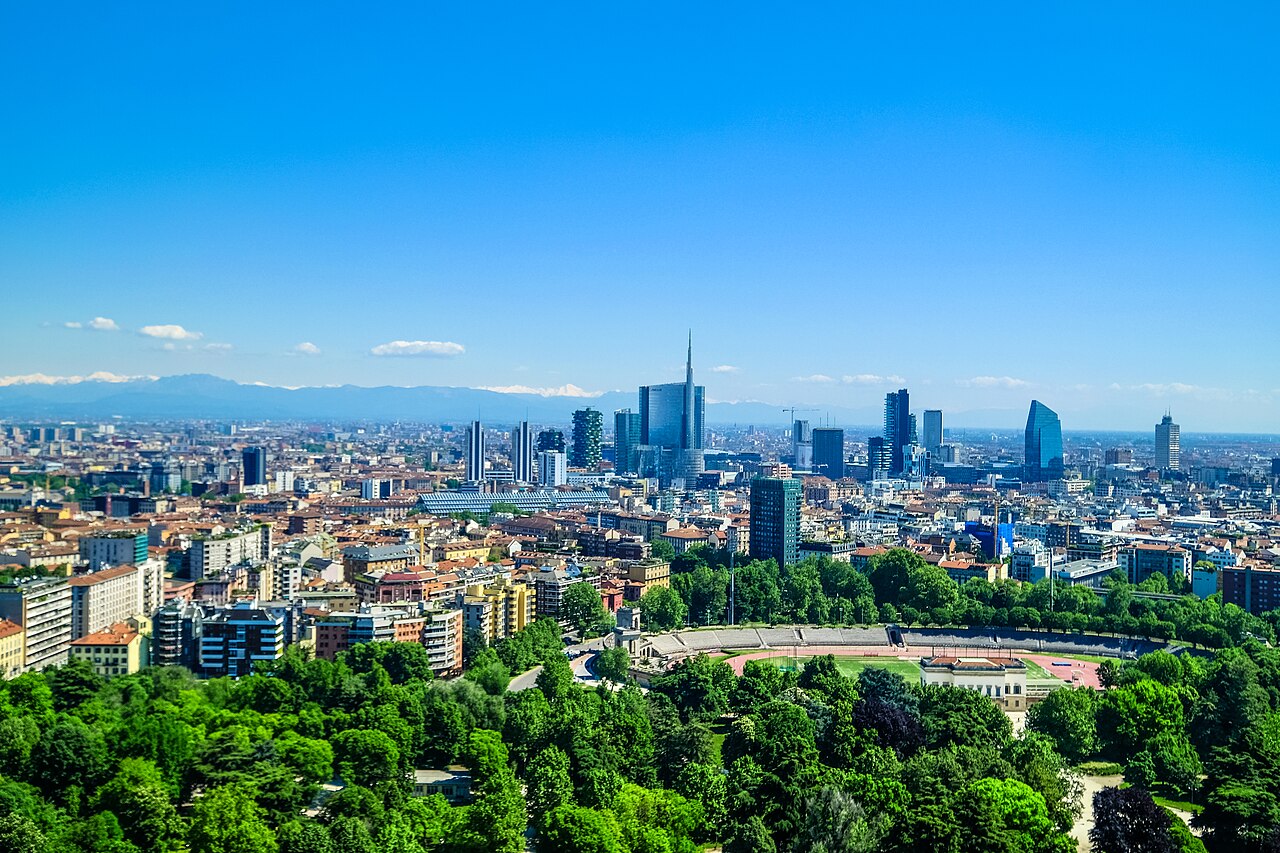
Milan's financial district is grappling with a confluence of headwinds that threaten to undermine the city's reputation as Italy's investment powerhouse. From the gleaming towers of Porta Nuova to the heritage banking establishments clustered around Piazza Affari, asset managers and institutional investors are confronting a landscape fundamentally altered by persistent inflation, geopolitical volatility, and capital reallocation pressures.
The cost-of-living crisis continues to reshape business fundamentals across the sector. Office rental rates in central Milan's prime investment district have climbed approximately 12% since early 2025, with Grade A space in the Garibaldi neighbourhood now commanding €650-750 per square metre annually. For mid-sized wealth management firms operating along Via Montenapoleone and neighbouring districts, lease renewals have become painful exercises in margin compression.
Interest rate volatility presents perhaps the most immediate challenge. While the European Central Bank has signalled potential rate cuts, the uncertainty surrounding their timing and magnitude has created a paralysing effect on medium-term investment planning. Institutional clients—particularly pension funds and insurance companies that form the backbone of Milan's investment ecosystem—are reassessing portfolio allocations and, crucially, consolidating their banking relationships to reduce costs.
"Talent retention has become extraordinarily expensive," explains one senior relationship manager at a major international bank headquartered near Porta Nuova, speaking on condition of anonymity. Competitive salary pressures in Milan's financial sector have intensified as firms fight to retain experienced analysts and portfolio managers, with compensation packages rising 8-10% annually while client assets under management have either stagnated or declined in many segments.
The regulatory environment adds another layer of complexity. Enhanced compliance requirements stemming from EU sustainability directives and anti-money laundering frameworks have substantially increased operational costs for investment firms across the city's financial infrastructure. Smaller boutique operators face particular strain, lacking the economies of scale that larger multinational firms can leverage.
Client behaviour itself has shifted markedly. Ultra-high-net-worth individuals traditionally based in Milan and the Lombardy region are diversifying their financial advisory relationships, with some moving portions of their portfolios to alternative investment structures in less-regulated jurisdictions. This capital flight, though difficult to quantify precisely, represents a structural drag on Milan's investment ecosystem.
Recovery, observers suggest, will depend on three factors: stabilisation of energy costs affecting the broader European economy, clarity on interest rate trajectories, and Milan's ability to position itself as a premier hub for sustainable finance—an increasingly important distinction in attracting institutional capital flows in the coming years.
This article was compiled by AI and screened before publishing. See our editorial standards.
How does this story make you feel?
Spread the word
About this article
Published by The Daily Milan
Daily brief
Free, in your inbox before 7am. Weekdays.
More in Business