From Chaos to Culture: Meet the Visionaries Who Reimagined Milan's Food Scene
A generation of restaurateurs, chefs and collective organisers transformed Navigli and beyond from overlooked quarters into Europe's most dynamic dining destination.
A generation of restaurateurs, chefs and collective organisers transformed Navigli and beyond from overlooked quarters into Europe's most dynamic dining destination.
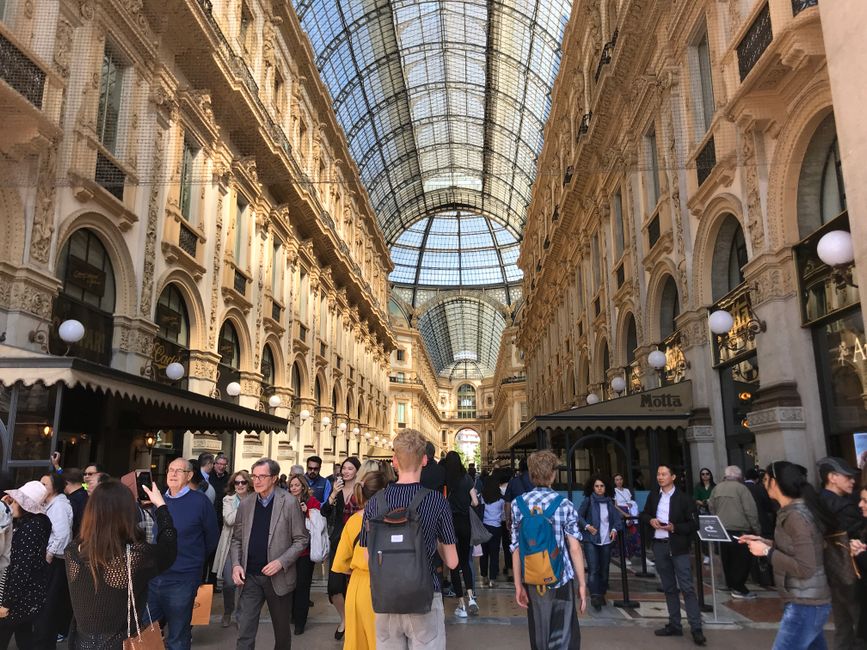
Walk down Via Ascanio Sforza in Navigli today and you'll find queues forming outside unmarked doors, vintage wine bars with three-month waiting lists, and food studios where young chefs experiment with fermentation in converted warehouses. It's hard to imagine that fifteen years ago, these same streets were characterised by abandoned factories and transient nightlife.
The transformation didn't happen through municipal planning or corporate investment. It emerged from the quiet determination of people like those who founded collective spaces such as the Navigli Food District initiative—a grassroots effort that began in the early 2010s when a handful of chefs, sommelier entrepreneurs, and cultural organisers recognised the neighbourhood's untapped potential.
Today, the economics tell their own story. Milan's food and beverage sector now generates approximately €2.8 billion annually, with Navigli and the adjacent Porta Ticinese district accounting for roughly 18% of that figure. Average meal prices have climbed from €12-15 per head in 2015 to €28-45 now, reflecting both rising quality and international recognition. Yet the architects of this scene insist authenticity remains paramount.
The movement drew sustenance from Milan's existing traditions—the aperitivo culture, the obsession with seasonal ingredients from Lombardy's agricultural heartland—while embracing contemporary approaches. Natural wine bars proliferated alongside modern trattorias. Chefs trained in Copenhagen and Tokyo returned to open intimate ten-seat establishments on narrow cobblestone streets.
What distinguishes Milan's food renaissance from similar movements in Rome or Florence is its emphasis on cross-pollination. Organisers deliberately cultivated relationships between restaurant owners, farmers' collectives from the Pavia countryside, and independent retailers. The Viale Papiniano weekend market became a cultural hub, not merely a transaction point. Food education initiatives sprouted: cooking schools, fermentation workshops, sustainability seminars.
By 2020, the pandemic threatened everything. Yet the community's interconnected nature proved resilient. Collective purchasing arrangements helped smaller venues survive. Pop-up kitchens shifted to delivery models. When restrictions lifted, customers returned with renewed appreciation.
Now, as Milan competes for global recognition alongside London, Berlin and Barcelona, those original visionaries remain deliberately low-profile. They've built something resistant to commodification—a scene rooted in neighbourhood identity rather than franchisable formulas.
The real story of Milan's food culture isn't found in Michelin guides. It's in the relationships between a sommelier on Via Argelati and the winemaker she champions, in the chef teaching Sunday pasta-making classes, in the collective memory of what these streets have become through sustained, patient creativity.
This article was compiled by AI from the sources linked above and screened before publishing. See our editorial standards.
How does this story make you feel?
Spread the word
About this article
Published by The Daily Milan
Daily brief
Free, in your inbox before 7am. Weekdays.
More in culture