Milan Galleries Summer 2024: Budget Cuts Reshaping Art Scene
Milan's Brera and Navigli galleries face summer closures due to budget cuts and shifting visitor patterns. Here's how the city's art institutions are adapting.
Milan's Brera and Navigli galleries face summer closures due to budget cuts and shifting visitor patterns. Here's how the city's art institutions are adapting.
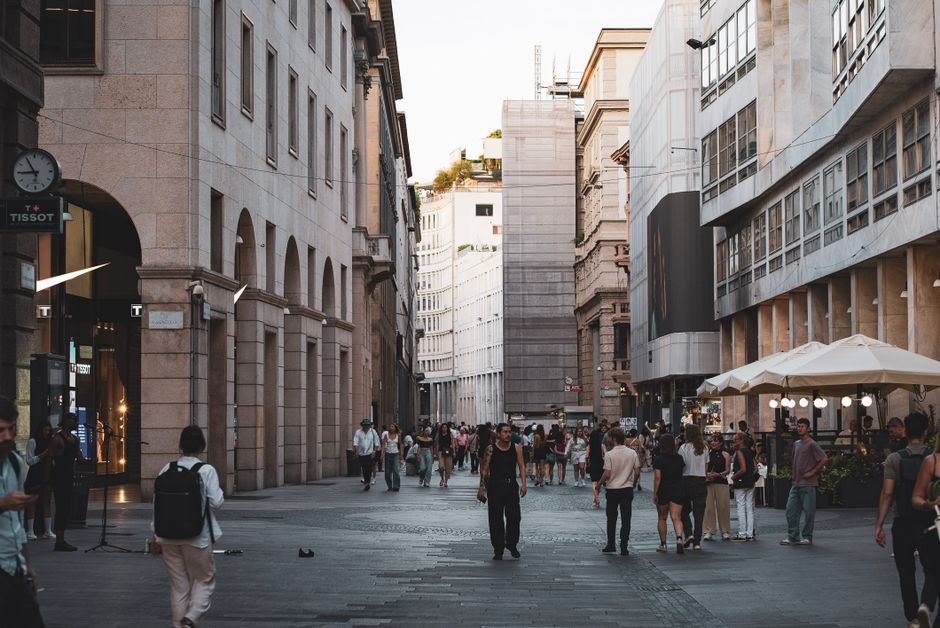
Walk through the Brera district on any June evening, and you'll notice something different this year: the usual clusters of tourists outside the Pinacoteca di Brera have thinned considerably. Gallery owners along Via Brera and the surrounding cobblestone streets are quietly discussing what many see as a turning point for Milan's cultural institutions—one shaped by economic pressures, changing attendance patterns, and a generational shift in how art is consumed.
The reality is stark. Three mid-sized independent galleries in the Navigli neighbourhood have announced reduced operating hours or temporary closures this summer, citing rising rental costs and declining foot traffic from international visitors. Meanwhile, several established institutions, including the Museo del Novecento, have begun aggressive digital programming to compensate for lower physical attendance. Ticket prices for major museums have risen 15-20 percent over the past eighteen months, according to data from Milano Museums, the city's cultural consortium.
But the conversation extends beyond numbers. Locals are genuinely debating what kind of art city Milan wants to be. On social media and in neighbourhood cafés, the tension is palpable: Is this technological modernisation—livestreamed exhibitions, virtual collections, app-based experiences—a democratic opening, or a dilution of the experience that made Milan's gallery scene distinctive?
The Zona Tortona, once Milan's answer to Berlin's gallery districts, is experiencing particular scrutiny. Several smaller galleries have pivoted toward commercial design and furniture showcases, a lucrative but controversial shift that some see as abandonment of the contemporary art mission that defined the neighbourhood in the 2010s. Yet younger collectors argue this evolution reflects market realities and maintains cultural relevance through accessibility.
What's undeniable is that summer 2026 marks a visible inflection point. The Fondazione Prada's expanded programming and the Castello Sforzesco's increased community engagement suggest institutional responses to these pressures. Yet independent gallery owners in Sant'Ambrogio and along Corso Como express concern about whether smaller voices can survive what feels like a consolidation toward mega-museums and corporate-backed spaces.
The conversation happening in Milan right now isn't really about one exhibition or one venue closing. It's about what role art plays in a global city under genuine economic and social stress. For now, the city's cultural community is watching, adapting, and arguing—which, perhaps, is exactly what a vital art scene should be doing.
This article was compiled by AI and screened before publishing. See our editorial standards.
How does this story make you feel?
Spread the word
About this article
Published by The Daily Milan
Daily brief
Free, in your inbox before 7am. Weekdays.
More in culture