Moving to Milan for Expats: Locals Share Real Advice
Expats reveal which Milan neighbourhoods actually work, rent reality vs. hype, and how to navigate bureaucracy. Skip the Instagram version.
Expats reveal which Milan neighbourhoods actually work, rent reality vs. hype, and how to navigate bureaucracy. Skip the Instagram version.
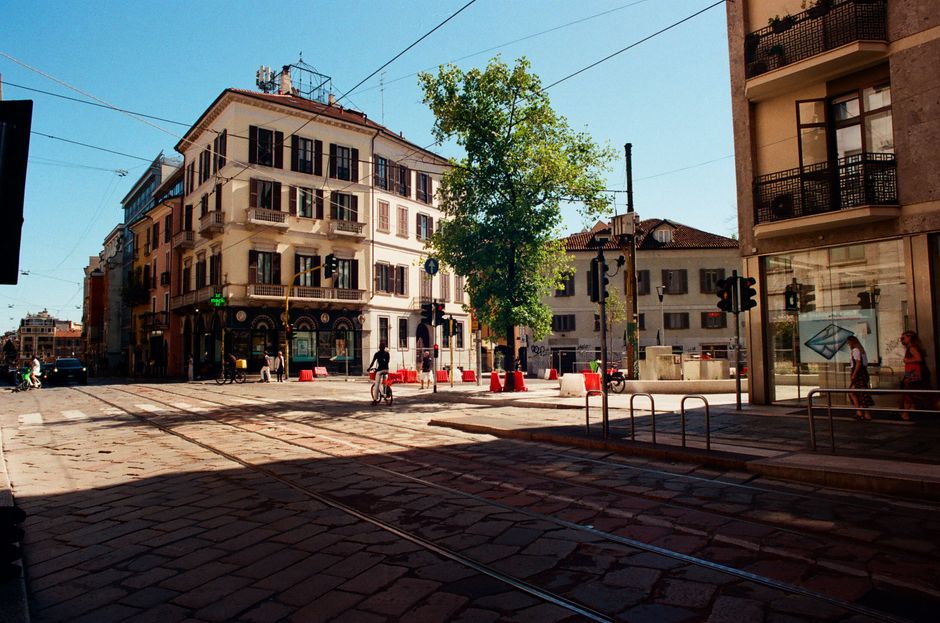
Milan attracts roughly 15,000 new expats annually, according to municipal data, yet many arrive expecting the fashion-house glamour and leave frustrated by bureaucratic tangles. We spoke with long-term foreign residents across the city to uncover what actually matters when building a life here.
The neighbourhood reality check
Porta Garibaldi and Brera command premium rents—€1,800–€2,200 for a one-bedroom—but locals recommend looking east. Lambrate and Tortona have exploded as creative hubs, with rents 20–30% lower and authentic aperitivo culture on Corso Como's quieter cousins. Navigli, though touristy, remains genuinely liveable if you secure an apartment away from the canal's Friday-night circus. Avoid common newcomer mistakes: Duomo isn't a neighbourhood; it's a tourist checkpoint. San Babila feels safe but soulless.
The money conversation
Budget €1,600–€2,000 monthly for a modest one-bedroom outside the centre, plus €200–€300 for transport (annual passes cost €330). Groceries run 15–20% higher than northern European averages. The hidden cost? Italian bureaucracy. Hiring a commercialista (tax consultant) costs €800–€1,500 yearly but saves infinitely more headache than DIY tax returns.
Paperwork isn't optional
Secure your Codice Fiscale (tax ID) at the Agenzia delle Entrate—bring your passport and proof of address. Then register for residency at your local anagrafe. Yes, it feels medieval. Yes, you still must do it. This unlocks bank accounts, healthcare access and rental credibility. Budget three weeks and expect queues.
Building genuine connection
Milanesi work hard and socialise intensely but within established circles. Corporate expat networking events feel performative; locals recommend joining hobby-based communities instead. Language exchange groups at Biblioteca Sormani, cycling clubs departing from Porta Venezia, and neighbourhood running clubs near Sempione Park yield deeper friendships than business mixers. The aperitivo culture is real—show up regularly at your local bar, and you're no longer a stranger by week three.
Transport and rhythm
The metro is efficient but crowded; cycling (1.3 million residents do) feels safer psychologically. Milan moves at northern European pace but with southern European chaos—embrace the contradiction. August shutdown is real; the city empties completely as locals flee to lakes and mountains.
Most importantly: locals say the first six months feel isolating. By month nine, you'll defend Milan fiercely. Patience compounds faster than rent.
This article was compiled by AI from the sources linked above and screened before publishing. See our editorial standards.
How does this story make you feel?
Spread the word
About this article
Published by The Daily Milan
Daily brief
Free, in your inbox before 7am. Weekdays.
More in lifestyle