Milan's €3.4 Billion Transport Overhaul: The Data Behind the City's Infrastructure Transformation
As the M4 metro extension nears completion, new figures reveal the scale of investment reshaping Milan's mobility landscape.
As the M4 metro extension nears completion, new figures reveal the scale of investment reshaping Milan's mobility landscape.
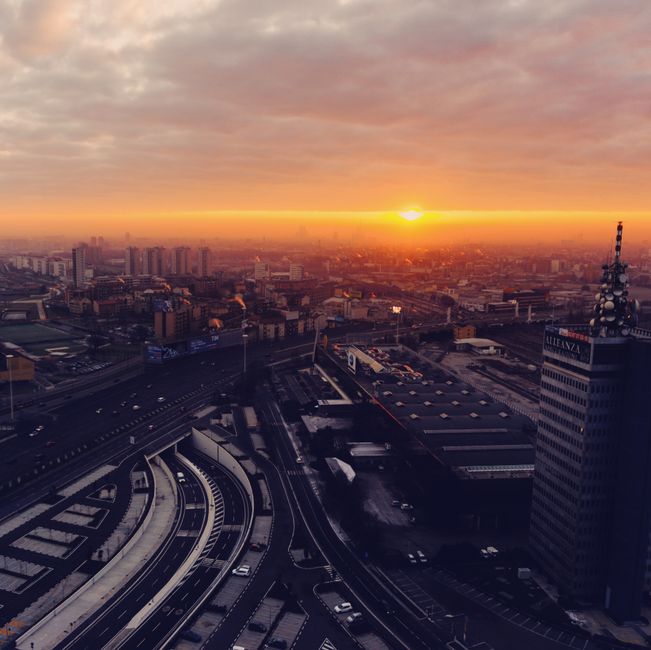
Milan's transport infrastructure is undergoing its most significant transformation in two decades, with official data now revealing the true financial and logistical scope of the undertaking. The city's ambitious connectivity plan, which includes the long-awaited M4 metro line extension to Linate Airport, represents a €3.4 billion investment across multiple projects running through 2027.
The M4 extension alone accounts for €1.2 billion of that total, with 15 new stations planned across a 12.6-kilometre stretch from San Cristoforo to Linate. According to Milan's transport authority, ATM, the project has displaced 847 residents since ground-breaking in 2019, with compensation packages averaging €285,000 per property. Construction has required excavation of 2.8 million cubic metres of material—enough to fill the Duomo square 340 times over.
Beyond the metro, the city's bus rapid transit corridor through Viale Monza and into Loreto represents a €420 million investment, with dedicated lanes reducing average journey times from 54 minutes to 31 minutes during peak hours. The 8.9-kilometre route now carries 67,000 daily passengers, a 34 per cent increase since its December 2024 opening.
Perhaps most striking are the numbers around the Centrale station district regeneration. The €890 million project has already attracted €1.6 billion in private investment, with nine new office buildings and three residential complexes now under construction. Property prices in the surrounding Garibaldi neighbourhood have risen 18 per cent year-on-year, the highest growth rate in the city.
The tram network expansion tells another story entirely. Milan is spending €560 million to extend the historic tram system by 18.3 kilometres, adding 24 new stops. Officials project this will remove 34,000 cars from the road daily by 2028—equivalent to a 12 per cent reduction in private vehicle traffic across the Navigli and Quadrilatero areas.
Cycling infrastructure, often overshadowed by flashier projects, has received €180 million since 2022, creating 156 kilometres of new protected bike lanes. Usage data from the city's bike-sharing scheme shows 847,000 monthly journeys as of April 2026, up from 312,000 in 2021—a 171 per cent increase.
What emerges from these statistics is a portrait of a city willing to absorb considerable disruption for long-term mobility gains. Whether Milan's residents will see the promised benefits depends largely on whether these investments stay on schedule and on budget—a test still unfolding.
This article was compiled by AI from the sources linked above and screened before publishing. See our editorial standards.
How does this story make you feel?
Spread the word
About this article
Published by The Daily Milan
Daily brief
Free, in your inbox before 7am. Weekdays.
More in News