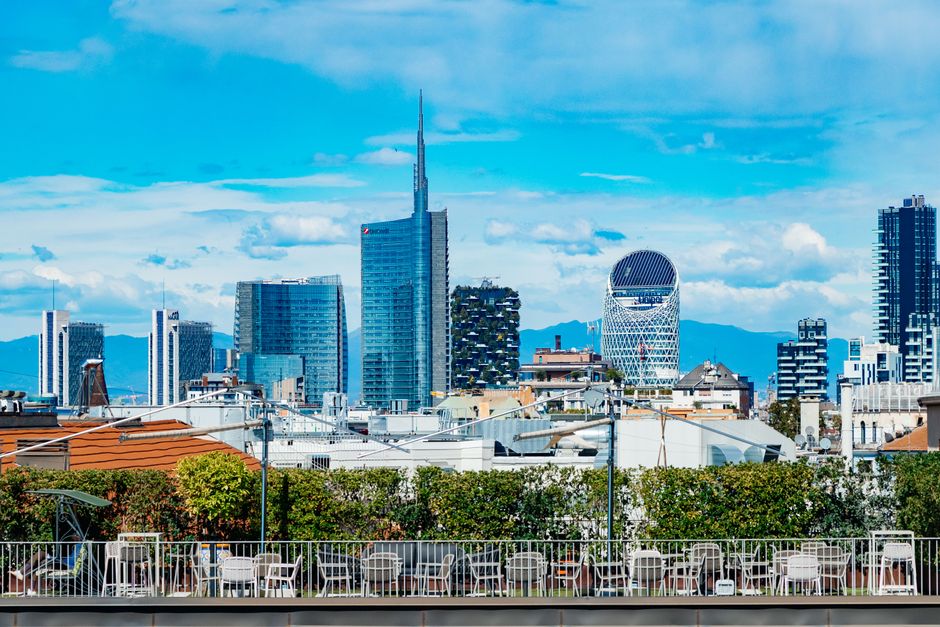
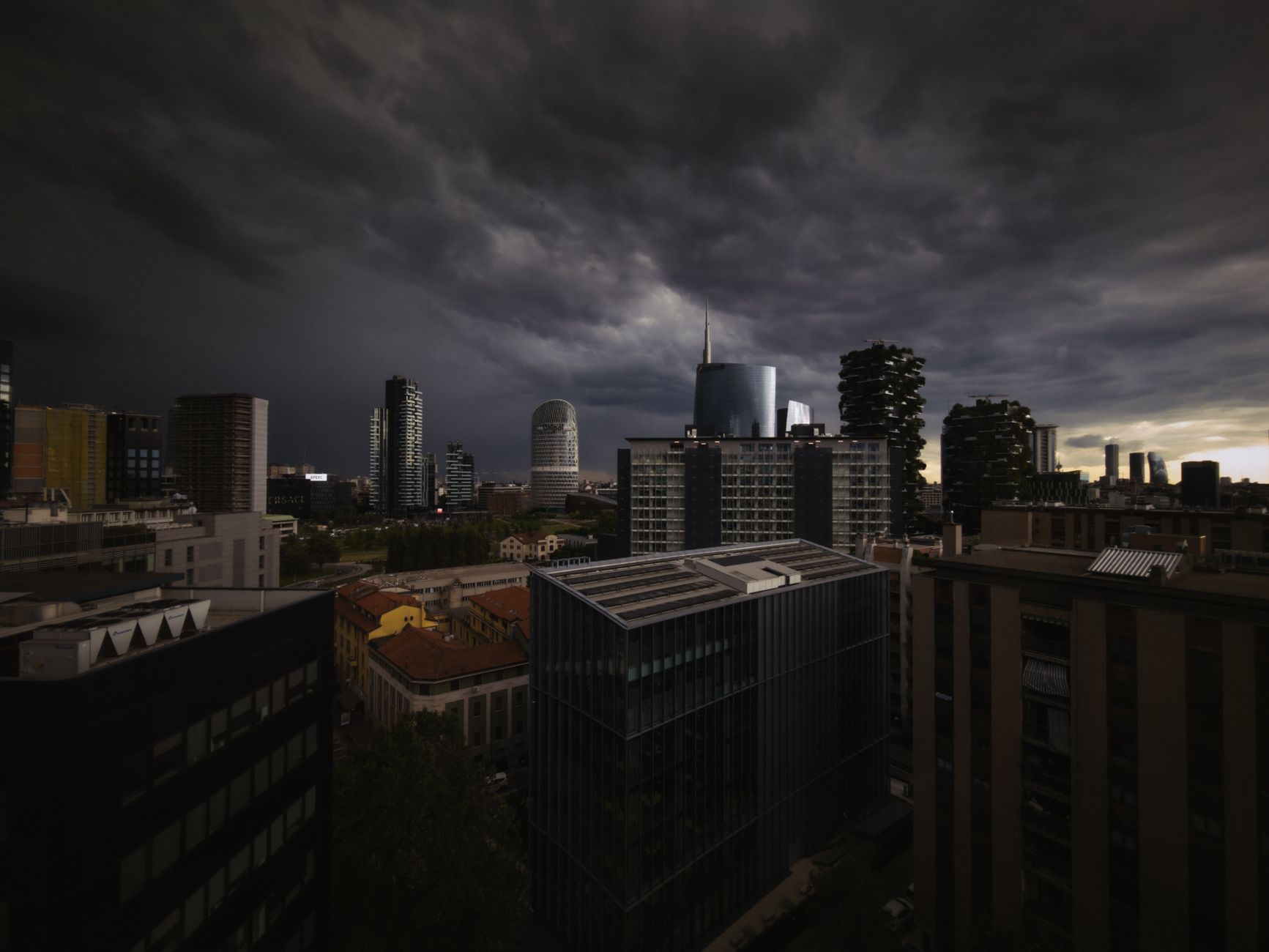
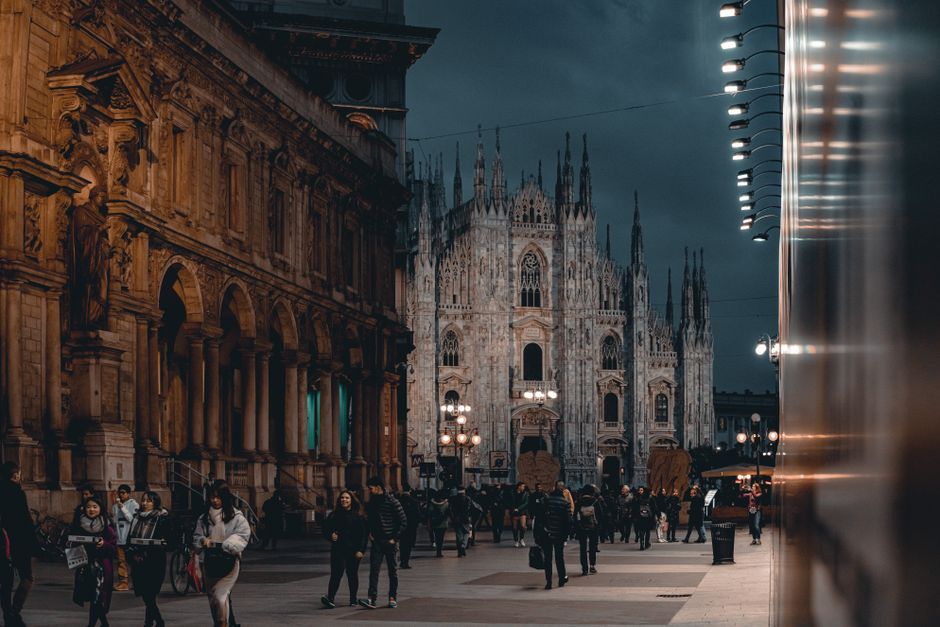
A decade ago, Milan's air quality ranked among Europe's worst. The Po Valley basin, which cradles the city, trapped pollutants like a concrete bowl, and winter mornings brought visibility so poor that the Duomo disappeared behind a grey veil. That crisis—documented in countless health studies linking the city's elevated asthma rates to nitrogen dioxide levels—became the catalyst for what would become Italy's most ambitious urban sustainability experiment.
The turning point came in 2016 when Milan hosted Expo, an event that forced the city to confront an uncomfortable truth: a global metropolis couldn't market itself to the world while choking on its own emissions. The fairgrounds in the northwest, near Pero and Rho, became a testing ground for new ideas. But more significantly, Expo's legacy forced municipal planners to think beyond temporary solutions.
By 2019, Milan's administration introduced the Area C congestion charge in the city centre and began planning what would become Europe's largest urban reforestation project—planting three million trees across the metropolitan area by 2030. The number seemed almost fantastical to residents accustomed to the grey expanses of Corso Buenos Aires and the parking-dominated landscape around Centrale Station.
What followed was incremental but tangible. The Navigli district's canal restoration, once dismissed as nostalgic fantasy, proved that water management could serve both environmental and cultural revival. Bike lanes multiplied, threading through neighbourhoods like Isola and Porta Romana. The Lambro and Seveso rivers, long treated as open sewers, became focal points for ecological recovery.
Yet the progress tells only half the story. Milan's 1.3 million residents still grapple with inadequate public transport outside the ring road, forcing many to keep cars. Energy poverty affects roughly 8% of households, making expensive green retrofits inaccessible to those living in pre-war tenements across Brera and San Gottardo. The city's ambitious climate neutrality target of 2050 requires quadrupling current renewable energy capacity—a figure that seems almost quaint when renewable installations face Byzantine bureaucratic approval processes.
The real story of Milan's environmental journey isn't one of triumph. It's a chronicle of how a city, forced by circumstance and reputation to act, discovered that sustainability requires simultaneously solving transport, housing, energy equity, and industrial transformation. The smog hasn't vanished; it's simply less visible than the ambitions now written into every municipal plan.
This article was compiled by AI from the sources linked above and screened before publishing. See our editorial standards.