Navigli District's New Social Hub Transforms How Neighbours Connect—And Why It Matters
As isolation grows in Milan's tightly packed neighbourhoods, a community-led initiative on Via Ascanio Sforza is redefining what it means to belong.
As isolation grows in Milan's tightly packed neighbourhoods, a community-led initiative on Via Ascanio Sforza is redefining what it means to belong.
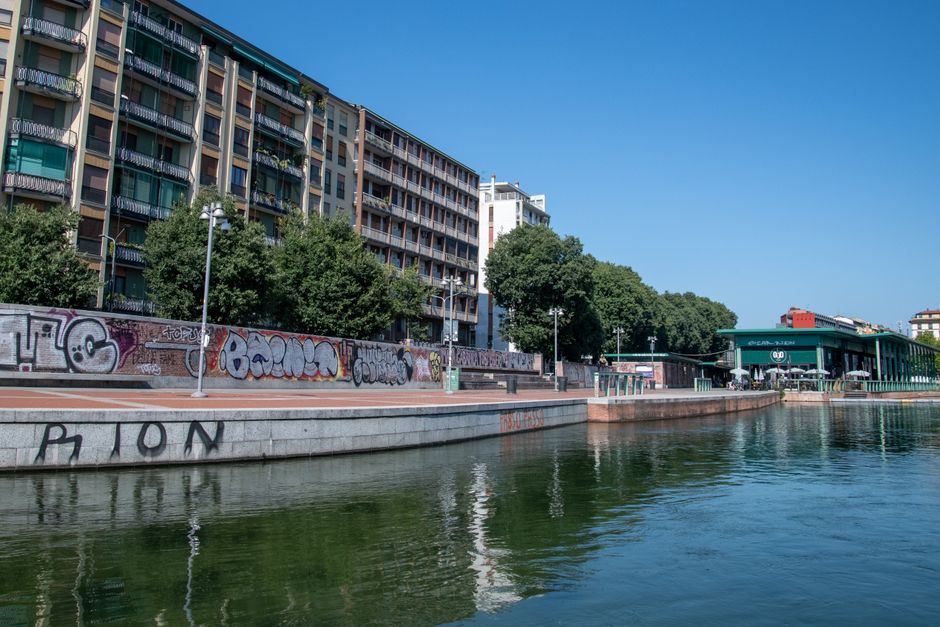
Walk along the Navigli on any evening and you'll see Milan's familiar paradox: thousands of people, yet few genuine connections. In a city where apartment rents in Brera now exceed €800 per square metre annually, and young families are pushed further into the outer rings, the fabric of neighbourhood life has quietly frayed.
This reality hit home in the Navigli district earlier this year when local residents noticed something troubling: elderly residents on Via Ascanio Sforza were regularly missing neighbourhood events, young parents felt isolated, and immigrant families had nowhere to gather safely. The solution, emerging from months of grassroots organising, is now operational: a refurbished former garage that has become the district's first genuinely inclusive community space.
The project matters precisely because Milan—despite its global reputation and thriving economic core—increasingly feels like disconnected villages stacked atop one another. "We were losing the intergenerational bonds that actually hold neighbourhoods together," explains one local organisation working on the initiative. When a city's heart beats around fashion weeks and financial transactions, the everyday threads that bind residents often snap.
The converted space, run by a coalition of local associations including established players in social services and newer volunteer networks, now hosts free Italian lessons for immigrants on Tuesday mornings, hosts the neighbourhood's first formal community garden committee, and provides affordable childcare during school holidays—a service that costs struggling families €60 daily elsewhere in Milan.
Early impact data reveals what community workers have long understood: simple access changes behaviour. In its first two months, over 240 unique residents have used the space. Twenty-three families from the surrounding blocks have joined the community garden initiative. Three small business owners have launched a cooperative equipment-sharing scheme that's already saving participants an estimated €400 each monthly.
For Navigli residents, this matters urgently. Property values may climb, storefronts may transform into luxury shops, but a neighbourhood's real wealth lies in whether neighbours know each other's names. Whether a parent can leave a child with trusted community members. Whether a recent arrival to Italy can find solidarity alongside bureaucratic forms.
As Milan continues its relentless vertical growth, the Navigli experiment asks a sharper question: can we rebuild the human infrastructure that makes a city feel like home? For the residents now gathering on Via Ascanio Sforza, the answer is increasingly clear.
This article was compiled by AI from the sources linked above and screened before publishing. See our editorial standards.
How does this story make you feel?
Spread the word
About this article
Published by The Daily Milan
Daily brief
Free, in your inbox before 7am. Weekdays.
More in News