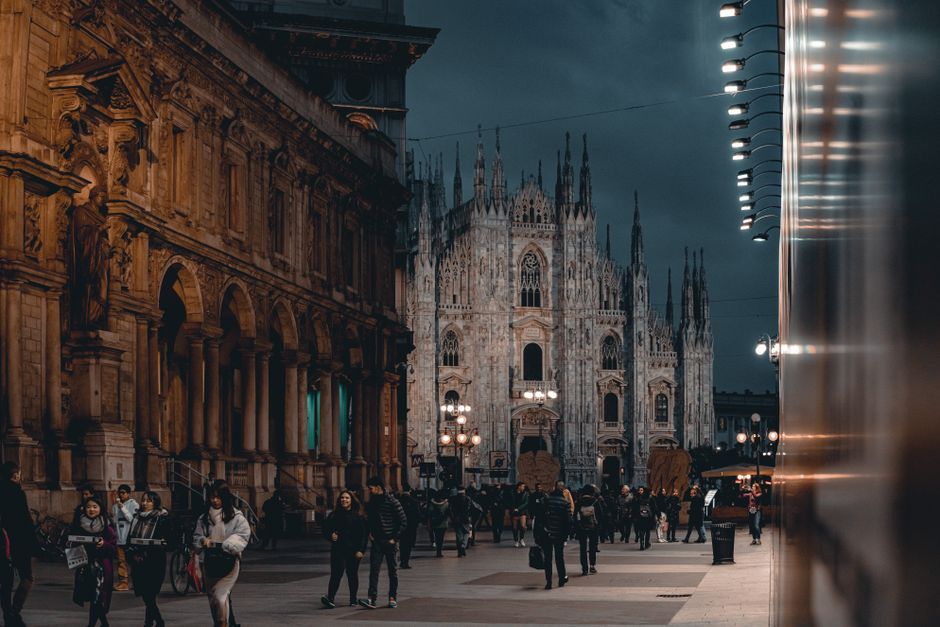
When a break-in occurred at a residential building near Piazza del Duomo at 11:45 p.m. last month, residents waited 47 minutes for police to arrive. By then, the perpetrators had fled through the Galleria Vittorio Emanuele II arcade. It's a scenario playing out with increasing frequency across Milan's most populated districts, raising urgent questions about public safety infrastructure in Italy's financial capital.
Data from Milano's municipal emergency services reveals a troubling trend. Average response times for non-violent crime reports in densely populated zones like Brera, Navigli, and San Babila have stretched to between 35 and 50 minutes—a significant jump from the five-year average of 22 minutes. For a city where €2.3 million worth of commercial goods are stolen annually, according to local chamber of commerce estimates, the lag creates a security vacuum that residents and business owners say is reshaping daily behaviour.
The impact ripples through communities. Small shopkeepers along Via Torino and in the Corso Buenos Aires commercial district report installing additional CCTV systems at their own expense, costs ranging from €3,000 to €8,000 per location. In residential neighbourhoods like Porta Venezia and Greco, community associations are organising neighbourhood watch rotations—a response typically reserved for rural areas, not Europe's second-largest city.
"We're essentially doing the job that should belong to public services," says one long-time resident of the Navigli district, where tourist-focused venues and late-night establishments create particular flashpoints for petty crime and disturbances.
The strain reflects broader resource constraints. Milano's Carabinieri and Polizia Locale forces have absorbed budget cuts while the city's population density remains among Europe's highest at over 7,300 residents per square kilometre. Meanwhile, tourism has rebounded to pre-pandemic levels, with 16 million visitors annually, straining public safety capacity during peak seasons.
City officials acknowledge the pressure. The municipal government has proposed additional funding for emergency dispatch systems and increased evening patrols in high-crime zones, though implementation timelines remain unclear. Community leaders argue that without concrete action, residents will continue bearing the financial and psychological costs of filling the gap.
For Milanese navigating their city after dark, the message is increasingly clear: don't rely solely on emergency services. Prevention, vigilance, and self-protection have become personal responsibilities in a city struggling to keep pace with its own growth and global significance.
This article was compiled by AI from the sources linked above and screened before publishing. See our editorial standards.