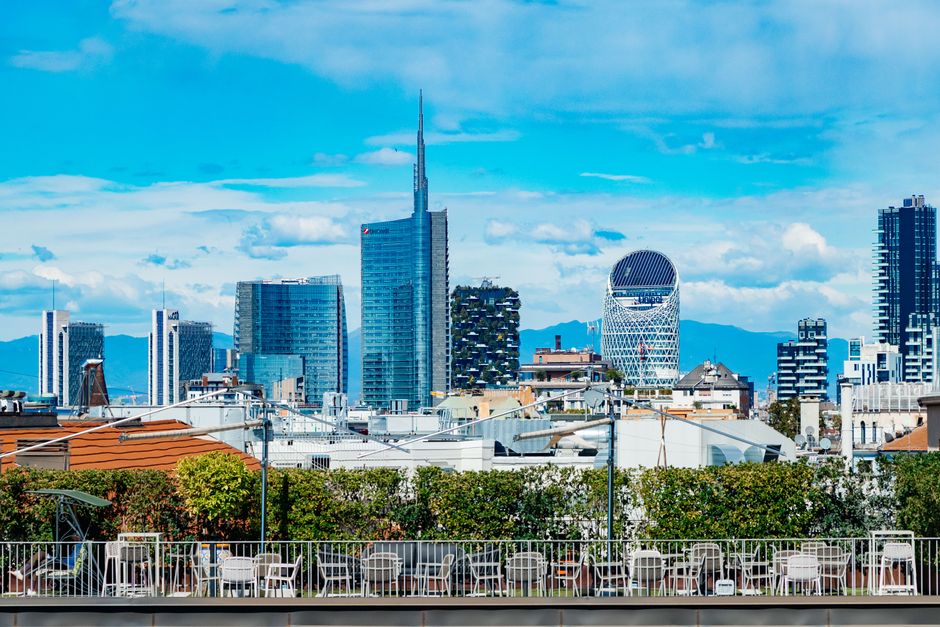
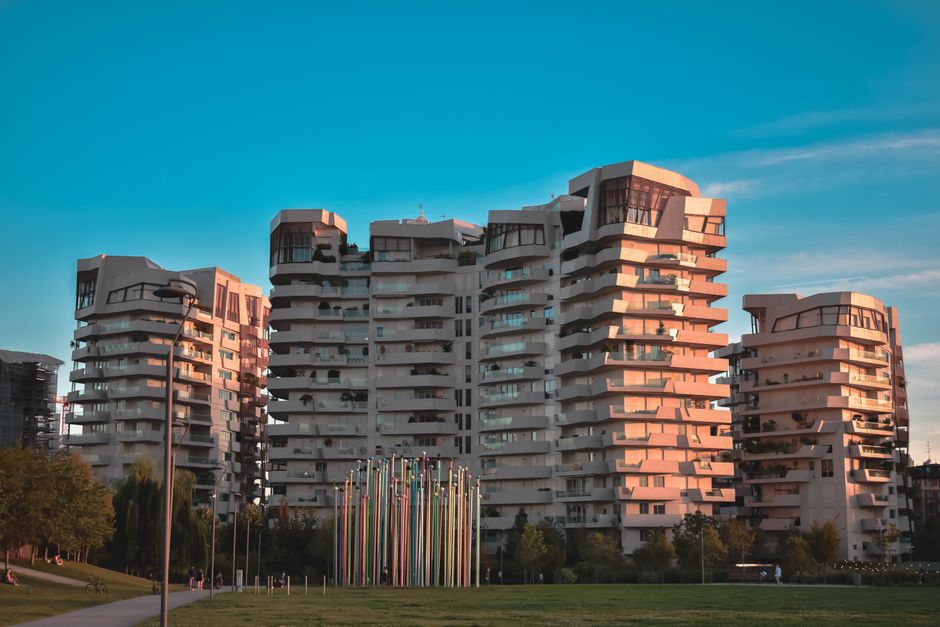
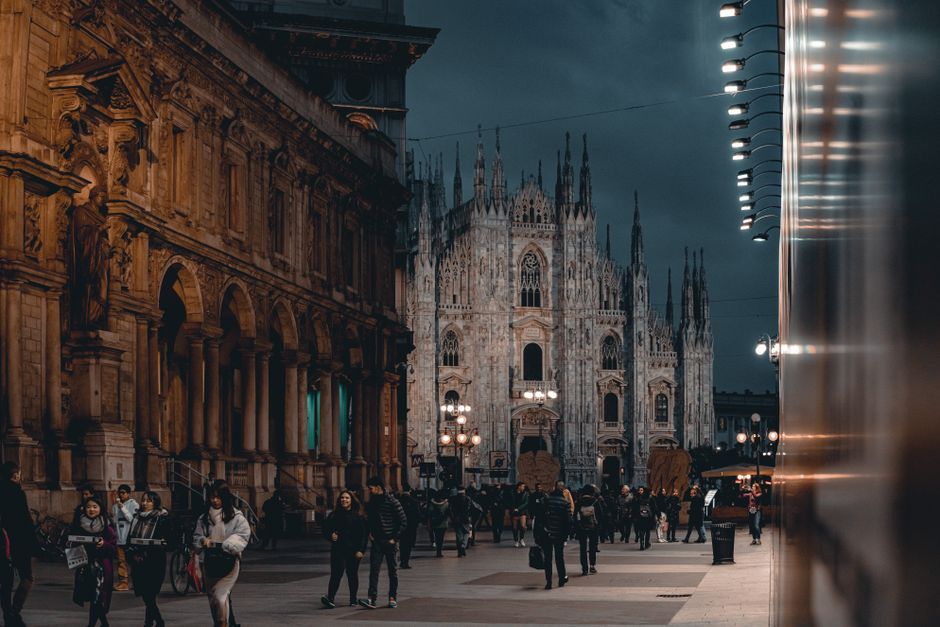
Milan's municipal government is preparing to vote on sweeping urban planning reforms that could fundamentally alter how the city develops over the next decade. The proposed changes to zoning regulations around historic neighbourhoods like Navigli, Porta Romana, and the Isola district are sparking fierce debate about who gets to live in this increasingly expensive metropolis.
The core issue is straightforward but consequential: the city wants to allow developers to build taller, denser residential complexes in traditionally lower-rise areas, arguing this will ease housing scarcity. Average rents in central Milan have risen 23 percent since 2020, with one-bedroom apartments in Brera now averaging €1,200 monthly. For families and young professionals, the mathematics no longer work.
Yet residents worry the cure could prove worse than the disease. In Navigli, where locals have fought to preserve the neighbourhood's bohemian character and tight-knit community around the historic canals, many fear that permitting six- and seven-storey buildings where four-storey limits currently stand will attract luxury development aimed at wealthy investors and short-term rentals rather than permanent residents who keep neighbourhoods alive.
"What we're seeing across Europe is that density without regulation becomes gentrification," says a spokesperson for Abitare Milano, a local housing advocacy organisation. "If Milan wants to solve affordability, it needs density paired with mandatory social housing quotas—not just density for its own sake."
The city's planning department counters that without increased density, Milan cannot accommodate the estimated 80,000 additional residents projected by 2035. They point to successful examples like portions of Zona Tortona, where mixed-use development has created vibrant public spaces while adding housing stock.
What remains unclear is whether Milan's government will mandate that new developments include affordable units. Currently, only 15 percent of new construction includes below-market pricing. Without stronger requirements, the reforms could accelerate a troubling trend: long-time residents replaced by transient populations with deeper pockets.
The city council vote is scheduled for mid-July. For residents across Milan's most contested neighbourhoods, it represents a critical moment to shape whether their communities remain diverse, rooted places or become investment vehicles for distant capital. The stakes could not be higher.
This article was compiled by AI from the sources linked above and screened before publishing. See our editorial standards.