Walk through Navigli on a Tuesday evening and you'll see volunteers sorting donated tins at Banco Alimentare Milano's main depot near Porta Genova. What began as a modest operation in 1992 has expanded dramatically: last year, the organisation distributed food to 47,300 people across the metropolitan area—a 12 per cent increase from 2024, according to their latest annual report released this month.
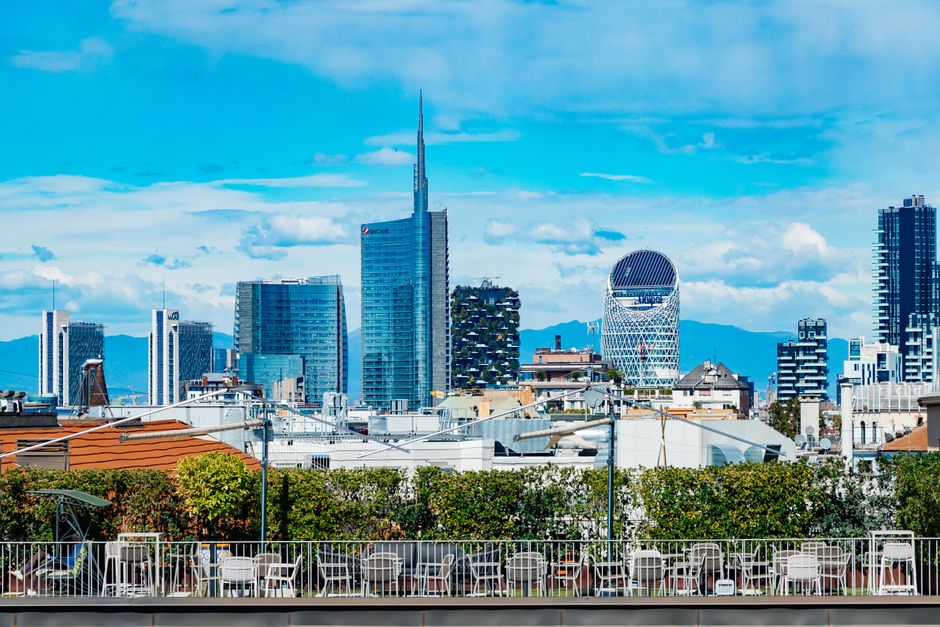
The scale reveals something Milan's gleaming tower blocks often obscure. Official Istat data shows 14.2 per cent of Milan residents live below the poverty line, but community workers say neighbourhood-level figures paint a sharper picture. In Baggio, one of the city's historically working-class western districts, food bank usage has doubled since 2022. Caritas Milano estimates that 1 in 5 families in the zone now rely on emergency food assistance at least monthly.
The economics are stark. Average rent in Navigli has risen 23 per cent in five years, according to property data firm Immobiliare.it, while minimum-wage employment in the metropolitan area has stagnated. A single parent earning €1,400 monthly after tax faces childcare costs averaging €650 for part-time nursery care. The mathematics forces impossible choices.
Orticola di Lombardia, the city's venerable gardening association based in Zona 9, has partnered with local neighbourhood committees to establish community growing spaces—modest initiatives but quantifiable ones. Across six pilot sites, including plots in Isola and Greco, volunteers harvested 3.8 tonnes of vegetables in the 2025 growing season, supplementing food bank offerings with fresh produce.
The volunteer infrastructure itself speaks volumes. Banco Alimentare Milano now coordinates 1,200 active volunteers—up from 890 in 2020. Yet demand projections suggest numbers will need to grow another 18 per cent by 2027 simply to maintain current service levels, according to internal forecasting.
What distinguishes these stories is that they emerge from precise, measurable data rather than anecdote. The Milan city council's 2026 social cohesion report noted that neighbourhood-organised initiatives—food banks, clothing exchanges, skill-sharing networks—now serve as a measurable safety net, absorbing an estimated €2.1 million in annual unpaid labour.
For Milano, a city proud of its efficiency and modernity, these numbers suggest that prosperity remains unevenly distributed. The food bank statistics, climbing steadily each June, are perhaps the most honest measure of that reality.
This article was compiled by AI from the sources linked above and screened before publishing. See our editorial standards.