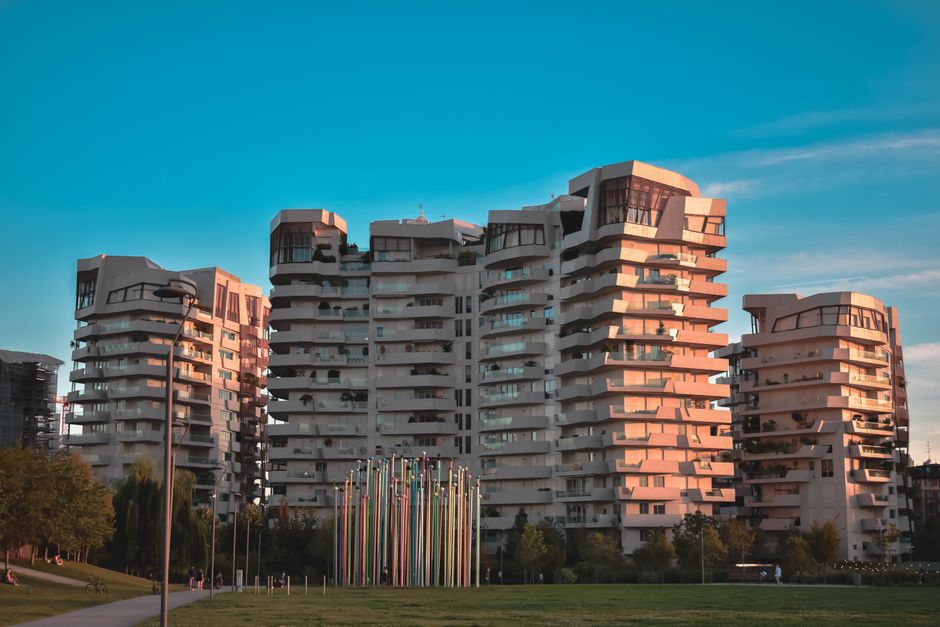
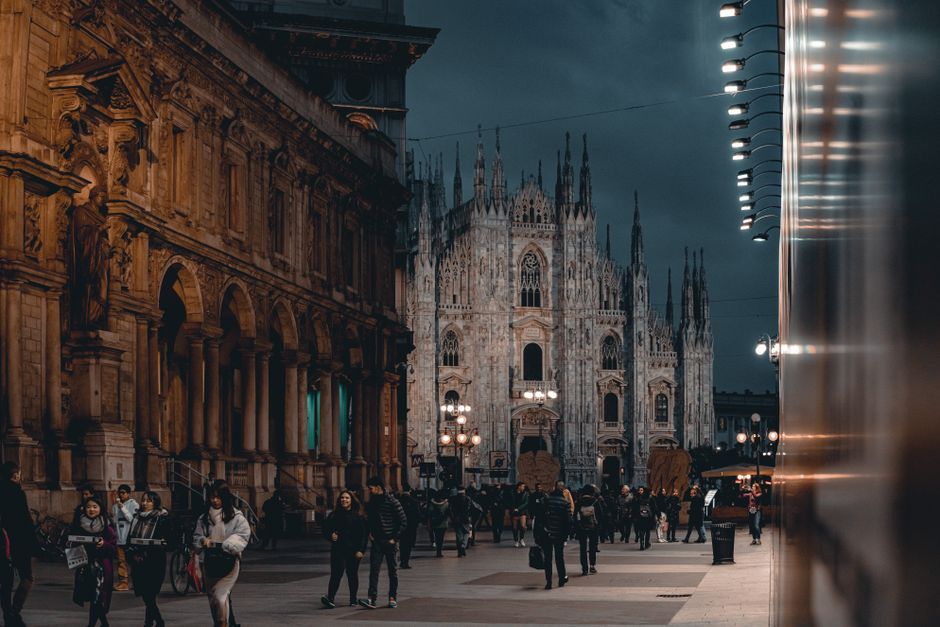
Milan's aldermen and urban policy specialists are intensifying calls for intervention as the city grapples with what many describe as an acute shortage of affordable housing. Recent data from the municipal planning office indicates that rental prices in districts like Brera and Navigli have climbed nearly 12 per cent year-on-year, pricing out middle-income residents and threatening the social fabric of traditionally mixed neighbourhoods.
Officials at the Palazzo Marino, Milan's city hall, have signalled that pressure is mounting to act decisively. Sources within the administration indicate renewed focus on converting unused commercial spaces in the Isola district and along Viale Monza into residential units suitable for young professionals and families. The proposal sits alongside debates over incentivising private developers to dedicate 25 per cent of new projects to below-market rentals—a threshold some observers argue remains insufficient given current demand.
Housing advocates have been more pointed in their critique. Representatives from established Milan-based organisations focused on urban equity have argued that market-driven approaches alone cannot address what they characterise as a genuine crisis. They point to waiting lists for municipal housing that now exceed 8,000 families and highlight how workers in hospitals, schools and service sectors increasingly commute from distant suburbs, raising questions about the city's livability for essential workers.
The debate has sharpened ahead of planned consultations scheduled for autumn, when municipal officials will present revised zoning frameworks for districts including Porta Romana and Certosa. Town planners have acknowledged the tension between Milan's aspirations as a global financial centre and the need to preserve residential stability. One persistent proposal involves revisiting rent controls on properties owned by institutional investors, though economists remain divided on efficacy.
Real estate data suggests median monthly rents for one-bedroom apartments in San Babila now exceed €1,900, compared with €1,680 two years ago. Simultaneously, property purchase prices continue climbing, with modest flats in accessible neighbourhoods like Lambrate commanding €8,000 to €9,500 per square metre.
Observers note that any policy framework will require careful coordination with regional authorities and private landlords. The city's transport commissioner has separately emphasised that improving metro connectivity to outer neighbourhoods may ease pressure on central zones, though critics argue infrastructure investment timelines rarely match housing urgency. As Milan prepares detailed proposals, stakeholders increasingly acknowledge that consensus—and hard choices—lie ahead.
This article was compiled by AI from the sources linked above and screened before publishing. See our editorial standards.