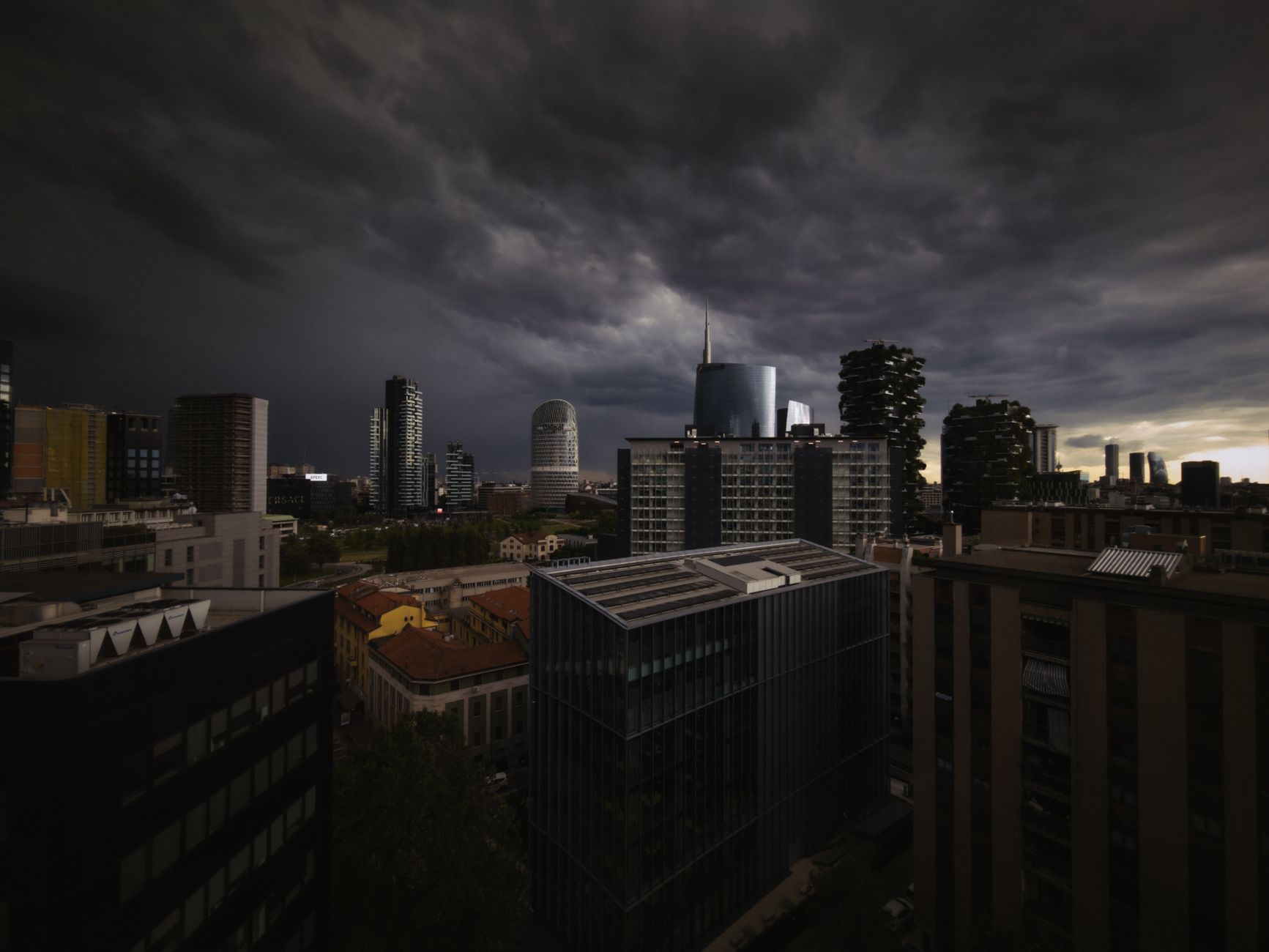
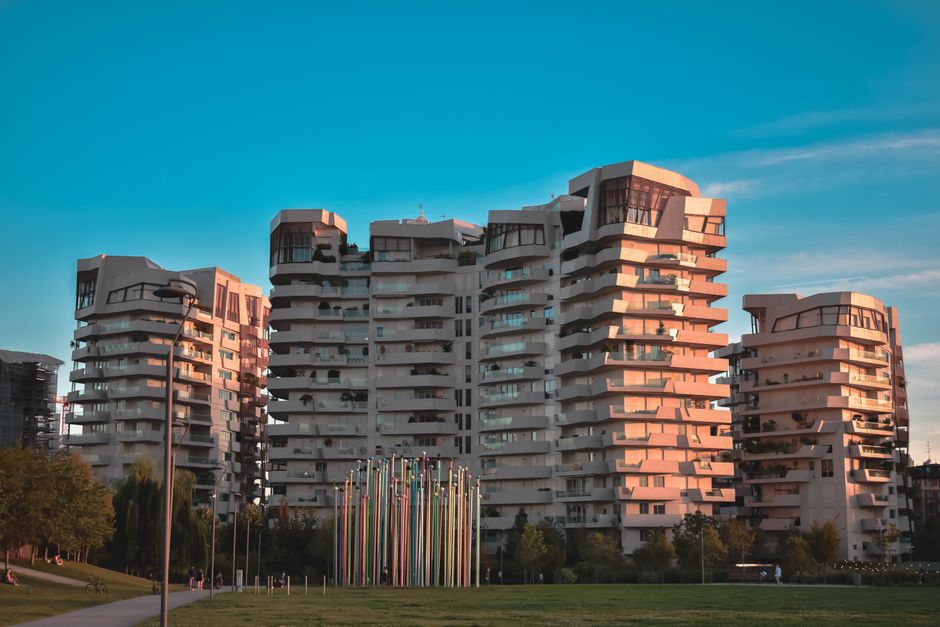
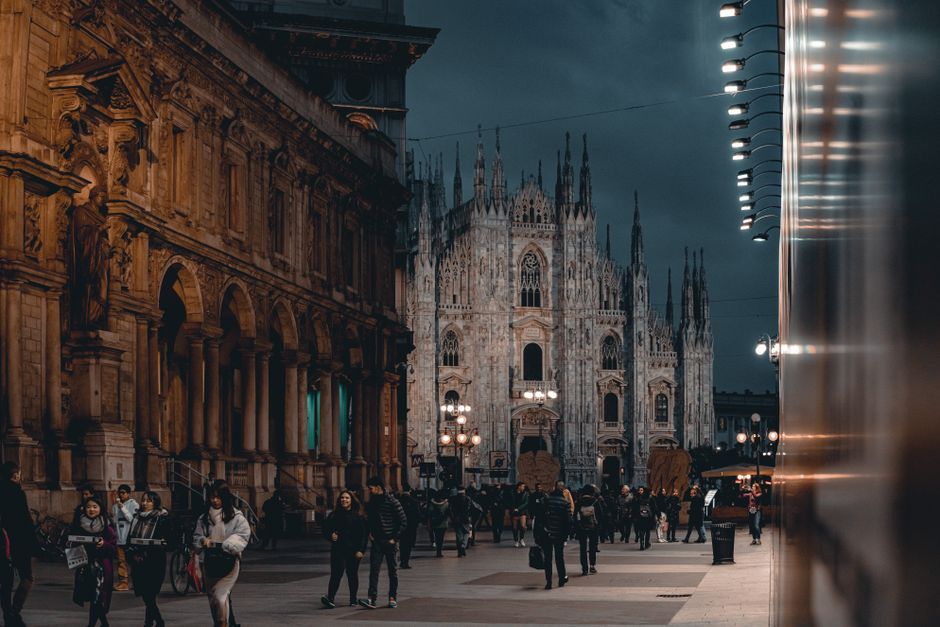
Voices From the Heart of Milan: Migrant Communities Navigate New Housing Crisis
As rental prices in Zona 7 and beyond surge past €1,200 monthly, residents and advocacy groups speak out about survival in the city.
As rental prices in Zona 7 and beyond surge past €1,200 monthly, residents and advocacy groups speak out about survival in the city.
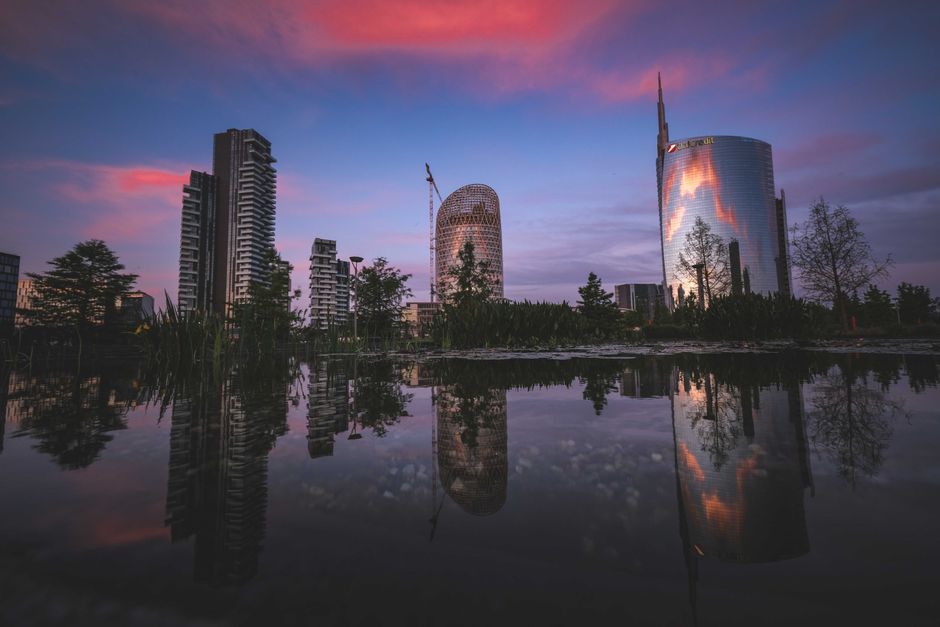
Walking through the Navigli district on a humid June evening, Maria Fernández stops outside a cramped studio apartment listing at €950 per month. "Five years ago, this would have been half the price," she says, shaking her head. The Venezuelan community organizer, who arrived in Milan in 2019, represents voices increasingly marginalized by the city's spiralling housing costs—a crisis that has sparked urgent conversations across Milan's multicultural neighbourhoods.
Recent data from local housing advocacy group Casa Milano shows average rents in working-class areas like Zona 7 and Porta Romana have climbed 34% since 2022. For migrant families—often earning between €1,400 and €1,800 monthly—these figures are devastating. At the Centro Donne di Lambrate, a women's support organization near the Lambrate station, coordinator Amara Okonkwo describes daily encounters with families facing impossible choices. "Women come through our doors asking if they should send children back to Nigeria while they work," she explains. "That conversation didn't happen three years ago."
The strain extends beyond economics. At Spazio Aperto, a multicultural community centre on Via Torino, director Khalid Hassan notes how housing instability fractures social cohesion. "When people are constantly moving, constantly stressed about affording rent, they can't contribute to neighbourhood life," he says. The centre, which serves approximately 2,000 residents monthly from African, South Asian, and Eastern European backgrounds, has seen a 40% increase in requests for emergency housing assistance this year.
Yet from these pressures emerge unexpected alliances. In Zona 9, a cooperative housing initiative involving Polish, Moroccan, and Italian residents is challenging the market directly. "We pooled resources, applied for municipal support, and created affordability," explains Agnieszka Kowczyk, one of the project's architects. The model, while modest, suggests possibilities beyond despair.
The conversations happening in Milan's multicultural spaces reflect broader European tensions: cities transformed by migration, grappling with inequality, yet animated by communities determined to survive and belong. At a recent gathering in the Giambellino neighbourhood, a Pakistani community leader voiced what many feel: "We built this city with our hands. We deserve to live here with dignity."
As municipal authorities consider new housing policies, these voices—grounded in lived experience rather than policy abstractions—demand attention. Milan's character depends on whether such communities can afford to remain.
This article was compiled by AI from the sources linked above and screened before publishing. See our editorial standards.
How does this story make you feel?
Spread the word
About this article
Published by The Daily Milan
Daily brief
Free, in your inbox before 7am. Weekdays.
More in News