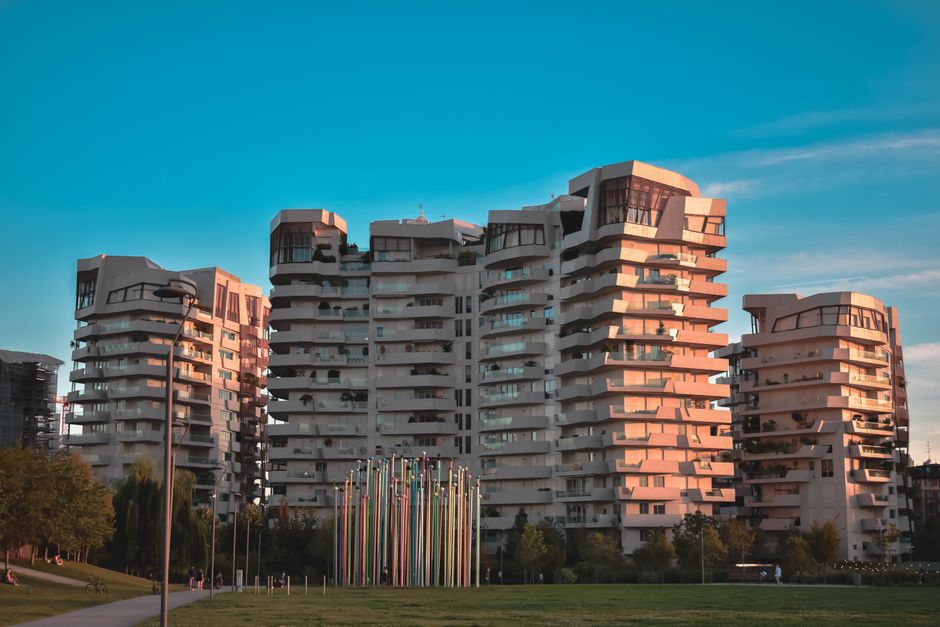
Milan's housing crisis took a significant turn on Wednesday when the city planning commission unanimously approved a major rezoning initiative for a 4.2-hectare site in Porta Romana, green-lighting plans to convert former industrial warehouses into 850 residential units alongside office and retail space. The decision marks the most substantial residential development greenlit in the central districts since 2019, yet it has immediately reignited tensions between developers, housing advocates, and residents grappling with the city's acute affordability emergency.
The Porta Romana project, anchored by the decommissioned Macchi textile factories near Via Naccari, represents exactly the kind of urban regeneration Milan has pursued to reverse post-industrial decline. Yet current market conditions complicate its promise. Average rents in central Milan have climbed to €18 per square metre monthly—up from €14.60 in 2023—making the neighbourhood one of Europe's pricier addresses. The developer consortium, led by Coima and Generali Real Estate, has committed 25% of units to below-market pricing, yet housing activists argue this falls short of genuine affordability.
"The mathematics don't work for ordinary Milanese families," said housing collective Diritto alla Casa during a heated public hearing last month. Even the city-mandated 212 units pegged at €12 per square metre remain out of reach for the median household earning €32,000 annually in Milan's metropolitan area.
The approval also signals a decisive shift in how Milan's administration approaches its chronic housing shortage. Since assuming office in 2021, Mayor Beppe Sala's centre-left coalition has prioritised large-scale redevelopment over incremental infill—a strategy that has yielded results in districts like Navigli and Lambrate but has consistently failed to deliver genuinely affordable stock. City planning assessments indicate Milan needs roughly 15,000 new residential units over the next decade to stabilise the rental market.
Thursday's follow-up move by the municipal housing authority to launch a new affordable-housing bond—targeting €200 million for social-housing projects across Baggio, Quarto Oggiaro, and Gratosoglio—suggests the administration recognises the limitations of private-sector solutions alone. Yet timing remains precarious; construction delays and interest-rate volatility have already compromised several previous affordable-housing initiatives.
The Porta Romana decision takes effect immediately, with master planning to commence September. Community groups have signalled they will pursue legal challenges, citing environmental impact concerns and parking deficiencies. For now, Milan's housing market remains locked in an uncomfortable paradox: development accelerating while affordability recedes.
This article was compiled by AI from the sources linked above and screened before publishing. See our editorial standards.