When the Milan City Council quietly advanced its revised housing density guidelines last week, few residents of Navigli or Brera paid attention. But the changes could fundamentally alter the character of some of the city's most beloved neighbourhoods—and residents are only now waking up to what's at stake.
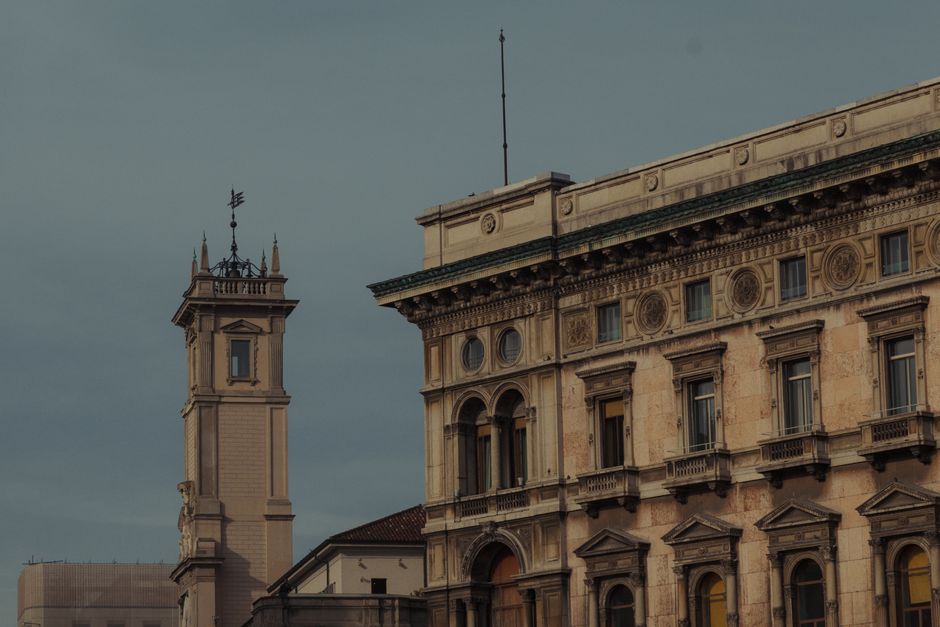
The new zoning framework, set for final approval in September, would permit developers to increase residential density in traditionally low-rise areas by up to 35 percent. On paper, it sounds technical. In practice, it means the five-storey walk-ups that define streets like Via Torino and Ripa di Porta Ticinese could soon look radically different.
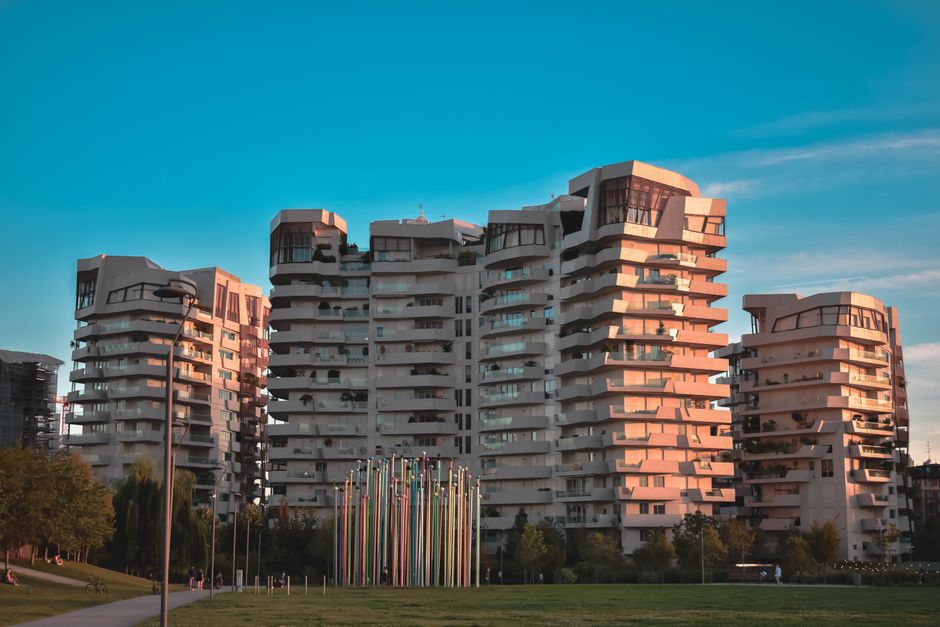
Housing affordability in Milan has reached crisis levels. A two-bedroom apartment in Brera now averages €850,000—up 22 percent since 2023. Rental prices in Navigli have climbed to €2,200 monthly for modest flats. City planners argue that loosening density restrictions is the only way to increase supply and, theoretically, bring prices down. The logic is sound. The execution worries many.
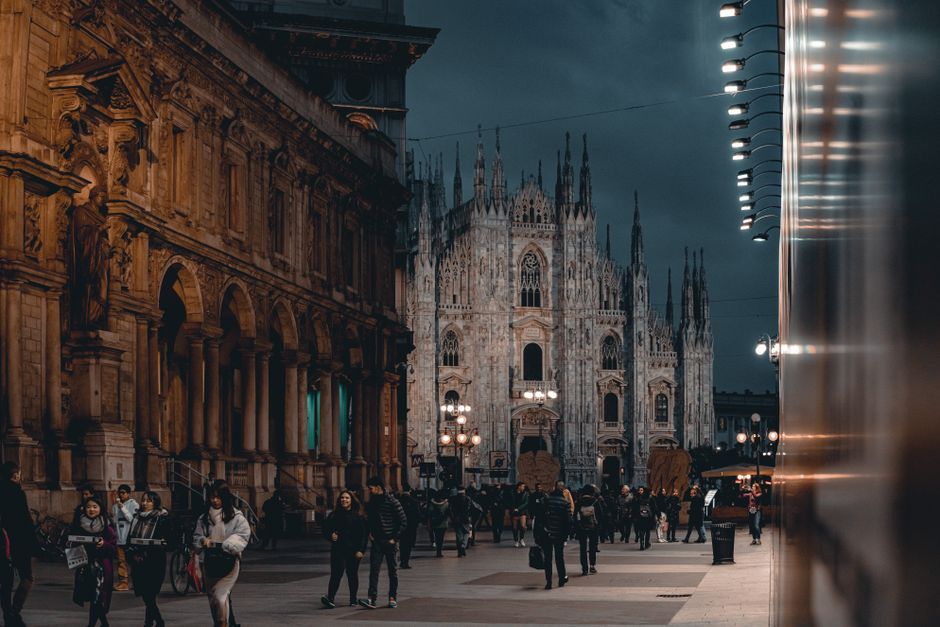
"We support more housing, absolutely," says one community organiser working with residents' associations across the Zona 1 district. "But the city hasn't explained how these new buildings will relate to existing infrastructure—schools, hospitals, public transport. Will Via Brera suddenly have double the foot traffic without a corresponding metro expansion?"
The Comune's own data shows Milan's population is projected to grow by 180,000 residents by 2035. That growth must go somewhere. Yet the consultation process has been minimal. Public meetings were announced with little notice; online feedback portals attracted fewer than 2,000 comments citywide. Compare that to 2019's neighbourhood policing reforms, which generated 40,000 public submissions.
What makes this particularly urgent is the timeline. The September vote falls during summer holidays, when many Milanesi are away from the city. Critics suggest this isn't accidental.
The stakes are genuinely high. Housing density done well creates vibrant, walkable neighbourhoods. Done poorly, it produces congestion, shadows, and the slow erasure of the social fabric that makes Milan worth living in. The city's reputation rests on its ability to balance growth with livability—a reputation that's increasingly fragile.
Residents aren't demanding zero development. They're demanding to be heard. Before September's vote, the Comune must expand consultation, publish detailed impact assessments, and show how new housing integrates with schools, transit, and green space. Milan's future depends on getting this right—and that requires more than technocrats and developers in rooms making decisions.
This article was compiled by AI from the sources linked above and screened before publishing. See our editorial standards.