Milan's Green Revolution: How Italy's Fashion Capital Stacks Up Against Global Sustainability Leaders
As Europe's major cities race to cut emissions, Milan is charting its own course—with mixed results.
As Europe's major cities race to cut emissions, Milan is charting its own course—with mixed results.
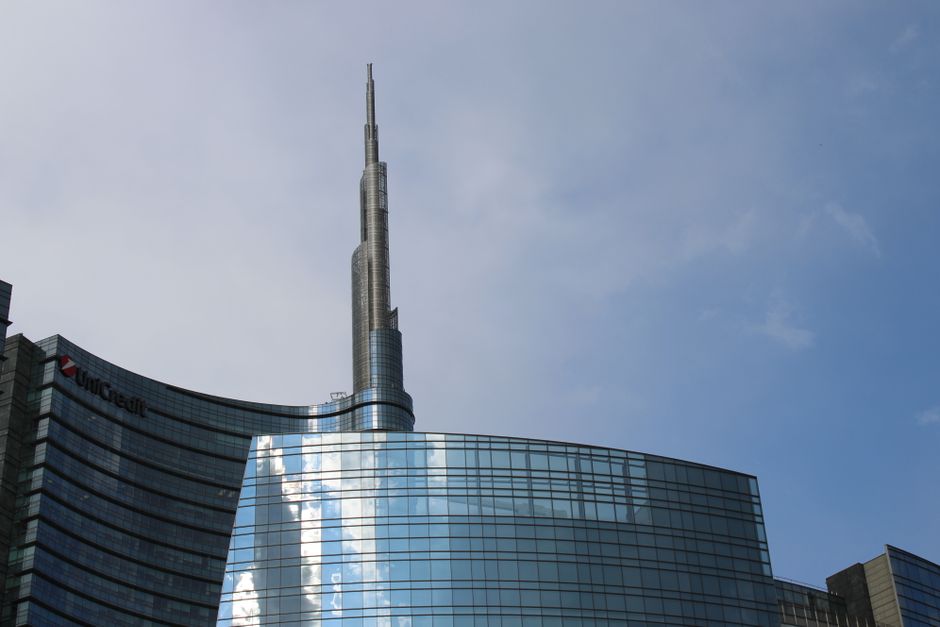
Milan has long positioned itself as a trendsetter, and its approach to environmental sustainability is no exception. Yet when compared to peer cities like Copenhagen, Barcelona, and Amsterdam, Italy's economic powerhouse reveals both ambitious targets and stubborn obstacles that reflect broader European tensions.
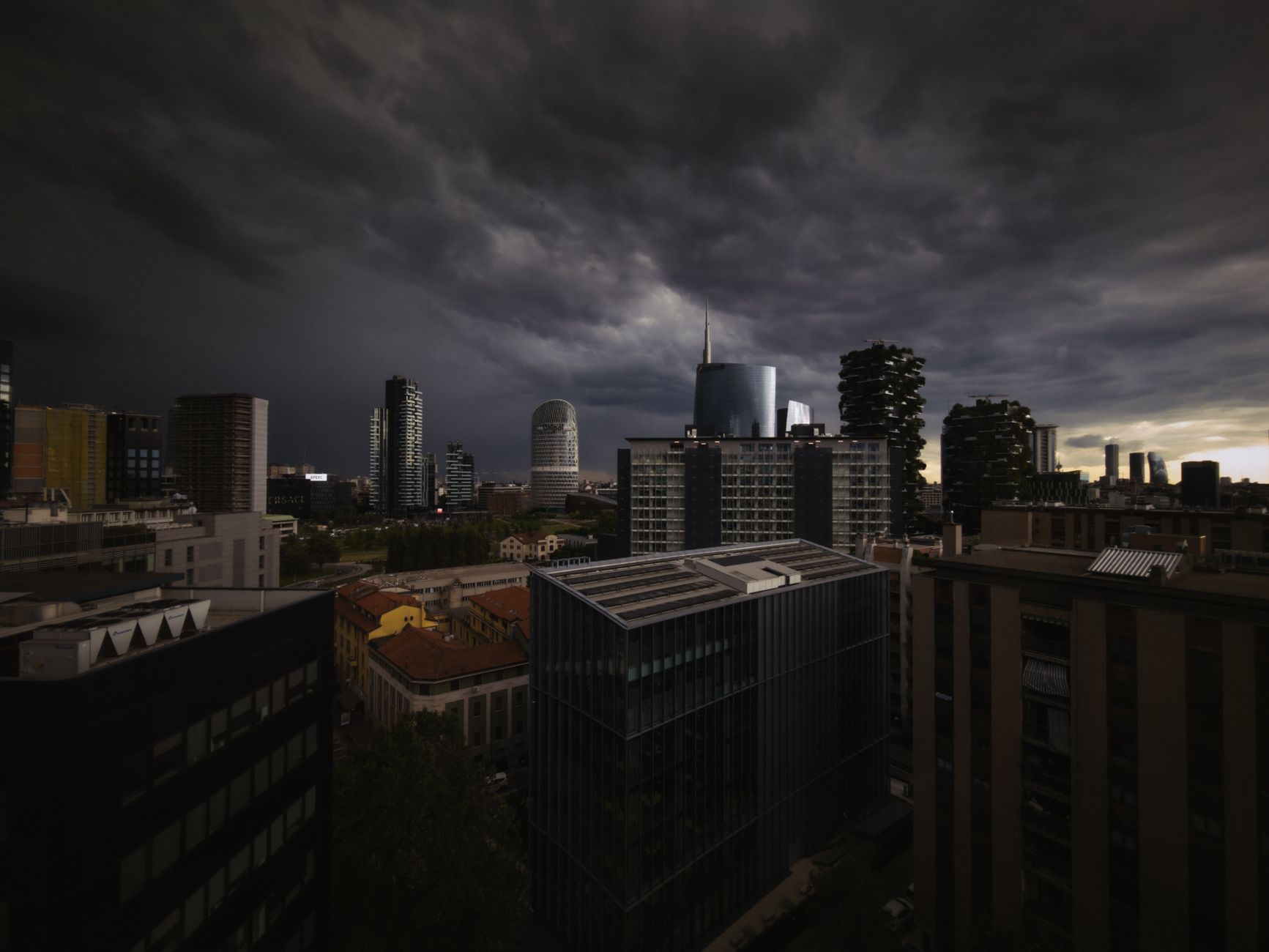
The Navigli district, once Milan's industrial heart along the Martesana and Naviglio Grande canals, exemplifies the city's mixed record. Last year, the municipality invested €12 million in waterway restoration and green corridor development—a significant commitment. Yet the area's revival has triggered gentrification that now sees a cappuccino in restored cafés costing €3.50, pushing long-term residents elsewhere. Copenhagen's similar canal-side transformations have been criticised for identical reasons, but the Danish capital's stronger rent-control policies have offered greater protection.
Milan's public transport network carries 1.3 billion journeys annually across its metro, tram, and bus systems—an impressive figure that initially suggests parity with global leaders. However, Hamburg and Vienna both exceed Milan's public transit ridership per capita. The city's €2.2 billion investment in expanding the M4 metro line eastward, due to open in phases through 2027, addresses capacity but comes years behind comparable infrastructure spending in northern European cities.
Where Milan distinguishes itself is in cycling infrastructure. The Ciclovie delle Mura project, converting segments of the old city walls into protected bike lanes, has grown to 33 kilometres. This rivals Barcelona's network in ambition, though Amsterdam's 500-kilometre cycle grid remains the gold standard globally. More tellingly, Milan's bike-sharing scheme, BikeMi, reports 3.2 million annual rentals—steady but unspectacular compared to Paris's Vélib' at 30 million rides yearly.
Industrial sustainability shows sharper contrasts. Milan hosts the headquarters of Enel, Europe's largest renewable energy company, yet the company's Italian operations have faced criticism from environmental groups over hydroelectric dam projects. Meanwhile, the city's fashion district—historically one of Europe's worst polluters—has begun shifting. The Camera della Moda now requires member brands to disclose carbon footprints, a voluntary measure that Barcelona and Copenhagen have made mandatory.
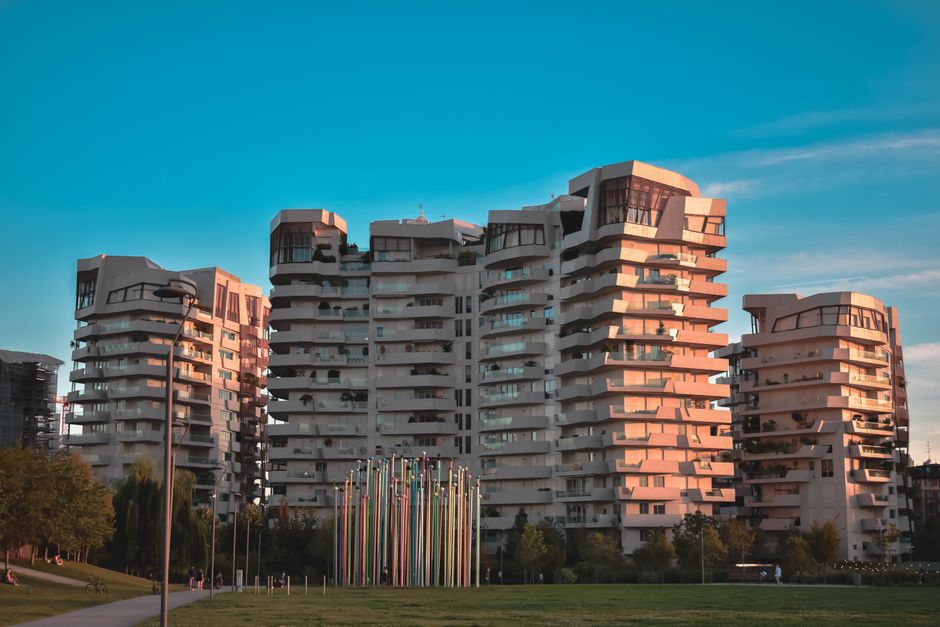
Perhaps most revealing is Milan's 2030 carbon neutrality goal, which mirrors commitments from Vienna and Stockholm but lacks the enforcement mechanisms both cities have implemented. Without substantial policy teeth, Milan risks becoming another aspirational statement amid a crowded global field.
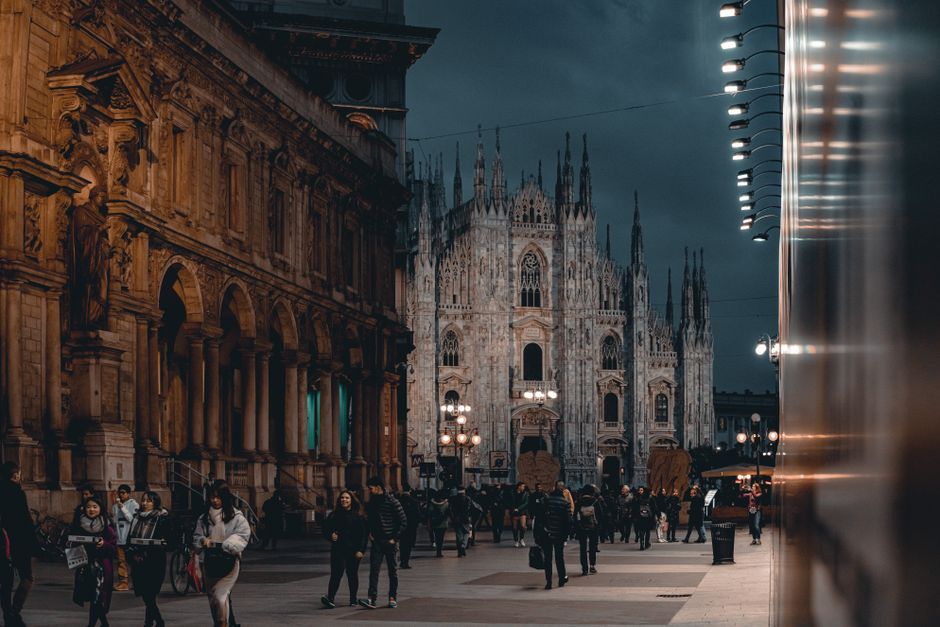
The city's real test comes next: whether genuine systemic change, not just headline initiatives, can match the ambitions announced on the steps of the Duomo.
This article was compiled by AI from the sources linked above and screened before publishing. See our editorial standards.
How does this story make you feel?
Spread the word
About this article
Published by The Daily Milan
Daily brief
Free, in your inbox before 7am. Weekdays.
More in News