Milan's Green Future at a Crossroads: What Happens Next in the City's Sustainability Push
As the city races to meet EU climate targets, Milan faces critical decisions on congestion pricing, the Navigli restoration and renewable energy investment.
As the city races to meet EU climate targets, Milan faces critical decisions on congestion pricing, the Navigli restoration and renewable energy investment.
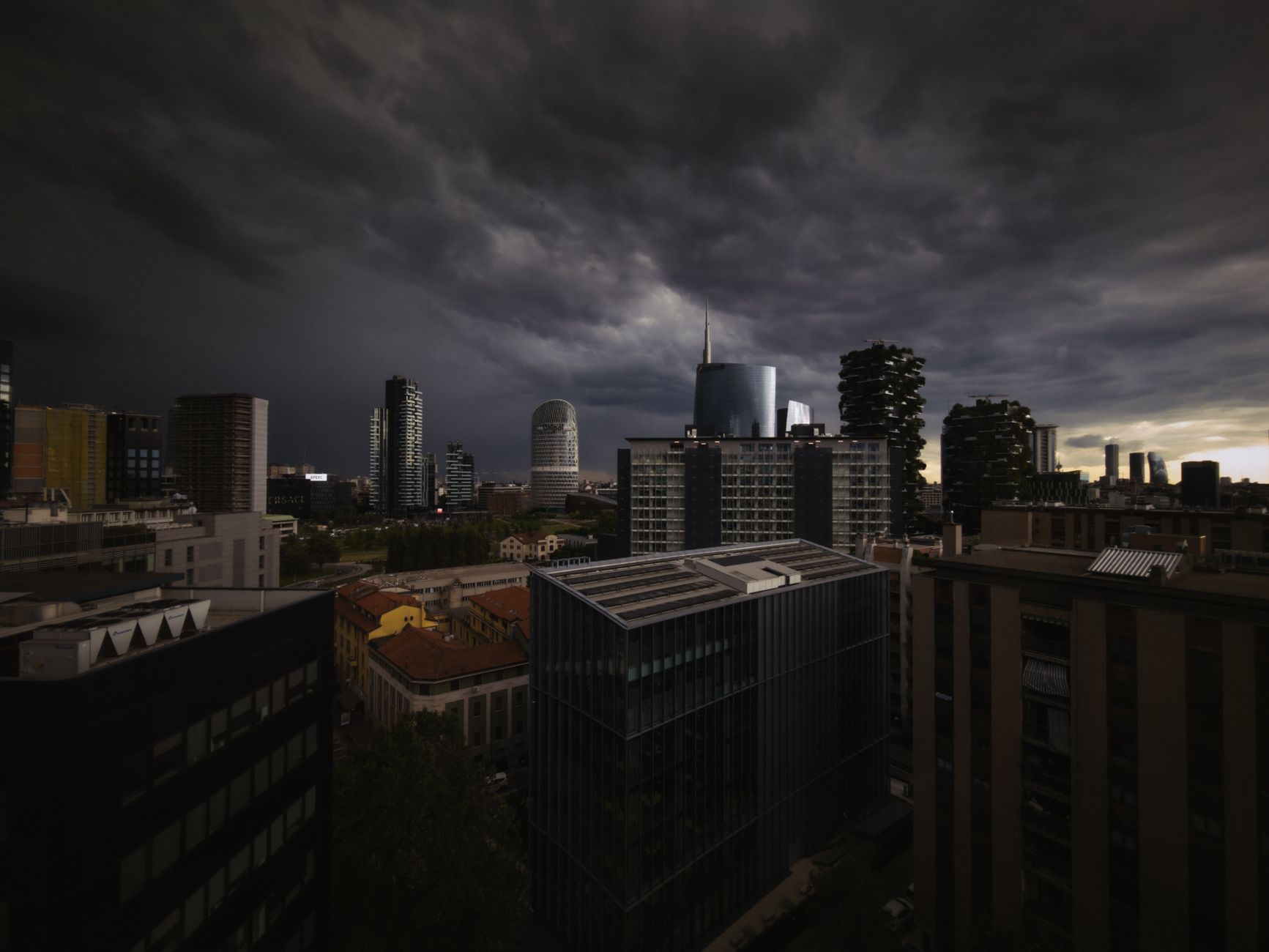
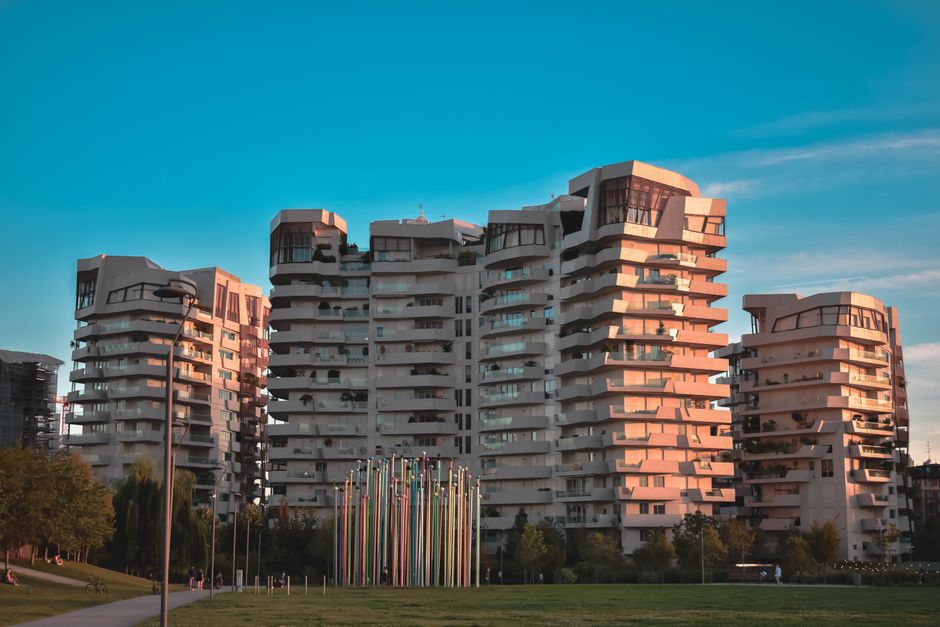
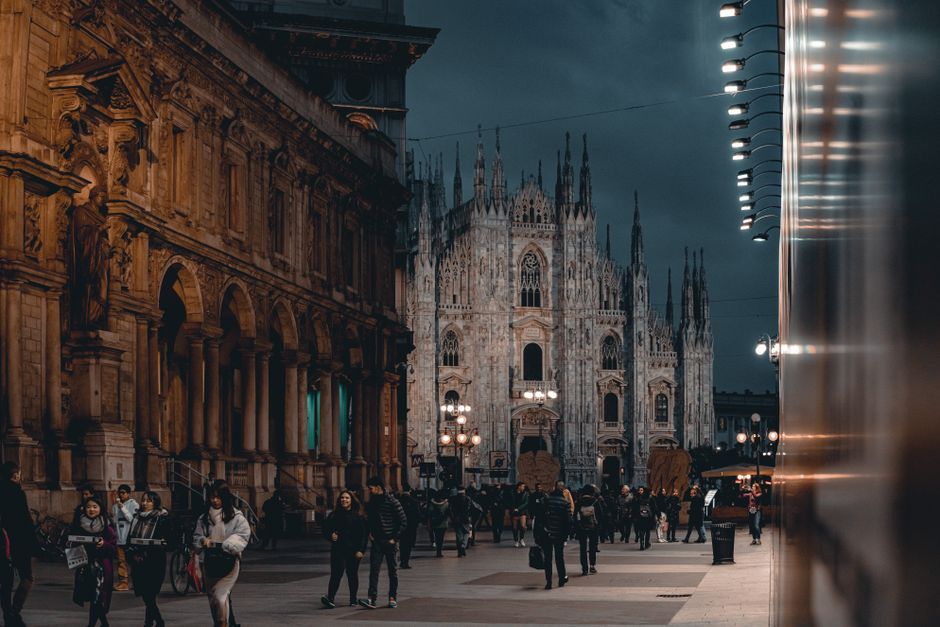
Milan stands at a pivotal moment in its environmental transformation. With the city's Area C congestion charge set to expand and the Navigli waterway restoration project entering its final planning phase, the next eighteen months will determine whether the Lombard capital can credibly claim status as Europe's green leader—or stumble in execution.
The immediate pressure centres on the proposed extension of Area C, Milan's fee-based driving zone that currently covers 72 square kilometres of the central city. City administrators are weighing whether to expand the scheme into outer neighbourhoods like Lambrate and Niguarda, a move that could reduce vehicle journeys by a projected 15 per cent but risks alienating suburban commuters already paying €5 per crossing. The decision, expected by September, will reveal how far Milan is willing to push residents for environmental compliance.
Equally consequential is the Navigli project. The planned restoration of the historic canal network—dormant for decades—aims to reconnect the Darsena waterfront through the heart of Porta Ticinese and beyond, creating what officials describe as a climate-adaptive green corridor. Yet the €250 million undertaking hinges on securing remaining EU funding and managing complex land acquisition around Via Conforto and the Navigli Grande. Delays here would push completion beyond 2030, risking Milan's credibility on broader sustainability pledges.
Energy infrastructure presents another fork in the road. The city's target of 100 megawatts of renewable capacity by 2027 requires accelerated rooftop solar installations across public buildings and significant investment in district heating modernisation. Currently, Milan sources roughly 22 per cent of its electricity from renewables—below the EU average. City planners must decide whether to subsidise residential installations in working-class areas like Giambellino or prioritise large-scale projects on industrial zones near the southern motorway ring.
Transport electrification adds a third layer of complexity. Milan's ambition to have 45 per cent of buses electric by 2028 depends on whether ATM, the municipal transport authority, secures promised national funding or faces budget cuts. Every month of delay reduces the window for infrastructure expansion.
The European Commission's updated climate scorecards, due in November, will score Milan's progress against peer cities including Copenhagen and Stockholm. These ratings influence investment flows and reputational standing. For a city whose economy increasingly depends on attracting climate-conscious talent and green-tech companies, the next decisions will echo far beyond municipal offices.
This article was compiled by AI from the sources linked above and screened before publishing. See our editorial standards.
How does this story make you feel?
Spread the word
About this article
Published by The Daily Milan
Daily brief
Free, in your inbox before 7am. Weekdays.
More in News