Milan is undergoing a visible transformation along its waterfront and inner districts, with the Navigli quarter emerging as a test case for urban sustainability. The city's ongoing restoration of its historic canal system—a 1.2-kilometre stretch through Porta Ticinese—aims to lower temperatures by up to 2°C while creating green corridors. Yet as the city pushes forward with such initiatives, the question remains: is Italy's financial hub moving fast enough compared to established European leaders?
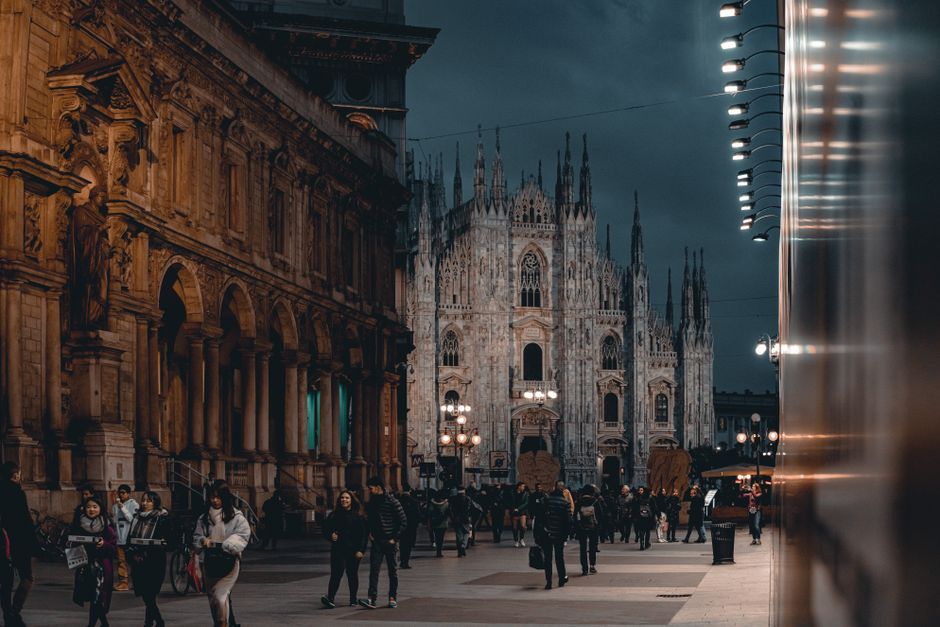
The Navigli project, budgeted at €140 million through 2030, reflects Milan's broader climate strategy adopted in 2021. The city has committed to becoming carbon-neutral by 2050, with a 45% emissions reduction target by 2035. Car-free zones now cover significant stretches of the Duomo neighbourhood and beyond, while the municipality has expanded its bike-sharing network, ATM, to over 4,200 stations. Approximately 35% of trips under 2 kilometres in Milan are now made by bicycle—a notable figure, but Copenhagen achieved 45% two years ago.
Copenhagen and Amsterdam have long served as benchmarks for urban sustainability. Copenhagen's comprehensive district heating system, powered largely by renewable energy, has cut residential heating emissions by over 60% since 2005. Amsterdam's circular economy initiatives—from construction waste reduction to corporate accountability programmes—operate at a more systemic level than Milan's fragmented approach. The Dutch city banned petrol car sales in its centre by 2025; Milan's comparable measures remain voluntary incentives.
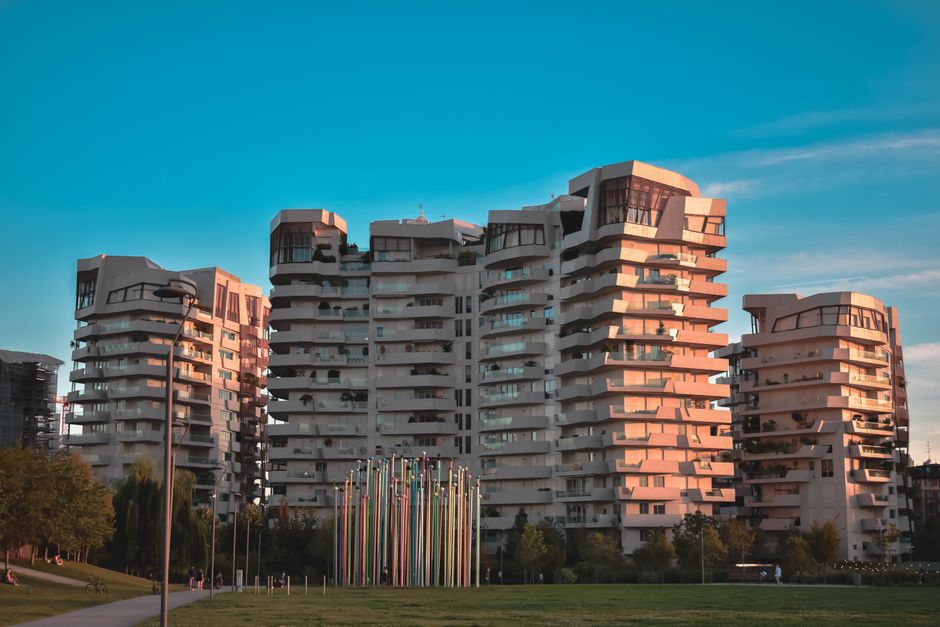
Where Milan distinguishes itself is in industrial transformation. Porta Nuova, a regenerated business district near Garibaldi Station, has become Europe's most densely green-roofed commercial area, with over 100,000 square metres of vegetation across office buildings. This private-sector engagement, driven by major companies headquartered in Milan, outpaces comparable initiatives in northern European rivals that rely more heavily on municipal mandates.
However, obstacles persist. Milan's reliance on imported hydroelectric power from alpine sources leaves energy resilience vulnerable. The city's public transport network, while extensive, remains underfunded compared to Swiss or Scandinavian equivalents. Suburban sprawl across Lombardy continues unchecked—the greater metropolitan area's population has grown 12% in the past decade, straining infrastructure.
Sustainability consultants note that Milan's advantage lies in speed of implementation and private investment, but its disadvantage remains institutional coordination. Copenhagen benefits from decades of integrated planning; Milan is compressing similar ambitions into years. The coming four years will determine whether Milan's model—rapid, business-led, but fragmented—can deliver results that compete with Europe's established green leaders.
This article was compiled by AI from the sources linked above and screened before publishing. See our editorial standards.