Milan's current housing emergency didn't arrive overnight. It is the accumulated consequence of planning decisions, market forces, and political choices that stretch back generations—a trajectory that explains why finding an affordable apartment in the Lombard capital has become nearly impossible for ordinary residents.
The foundation was laid in the 1950s and 1960s, when Milan rebuilt itself after World War II bombing. Rapid industrialisation drew migrants from southern Italy and beyond, creating intense demand for housing. The Navigli district and areas around Centrale—once working-class neighborhoods—filled with affordable tenements and cooperative housing projects. This period established Milan as a city of mixed-income neighborhoods, where factory workers lived alongside merchants and professionals.
The turning point came in the 1980s and 1990s. As Milan transformed into a global financial and fashion hub, property values in central districts began climbing steadily. Landlords converted rental apartments into owner-occupied units or short-term tourist lets. The Brera and Sant'Ambrogio neighborhoods, historically bohemian and accessible, became luxury enclaves. Between 2000 and 2020, average apartment prices in the centro storico roughly tripled.
Local administrations, meanwhile, had implemented restrictive zoning policies that limited new residential construction, particularly in inner-ring areas. The theory was sound—preserve Milan's architectural heritage and quality of life. The consequence was constrained housing supply at precisely the moment demand was accelerating. By 2015, Milan had the lowest percentage of new housing units built relative to population among major Italian cities.
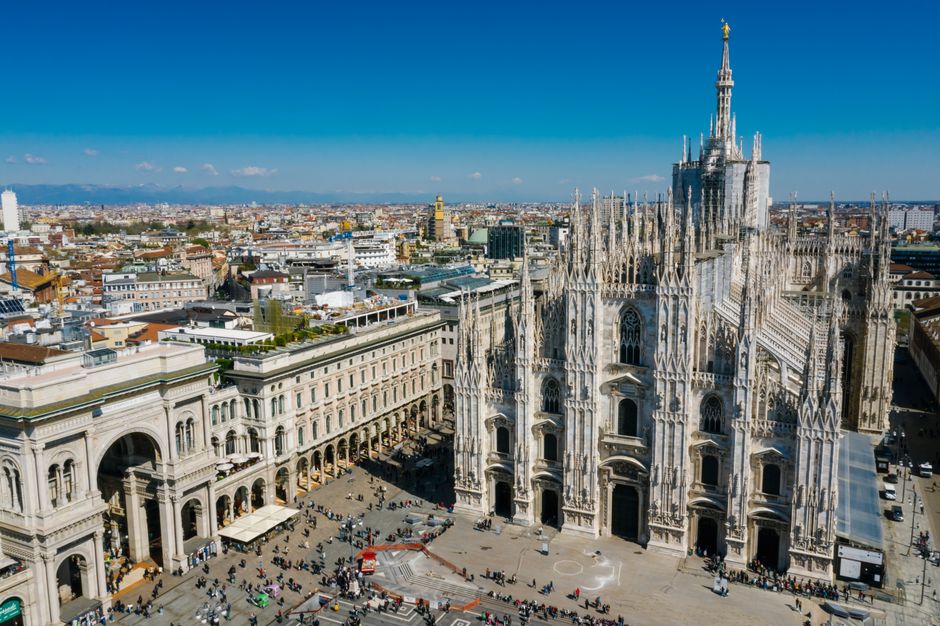
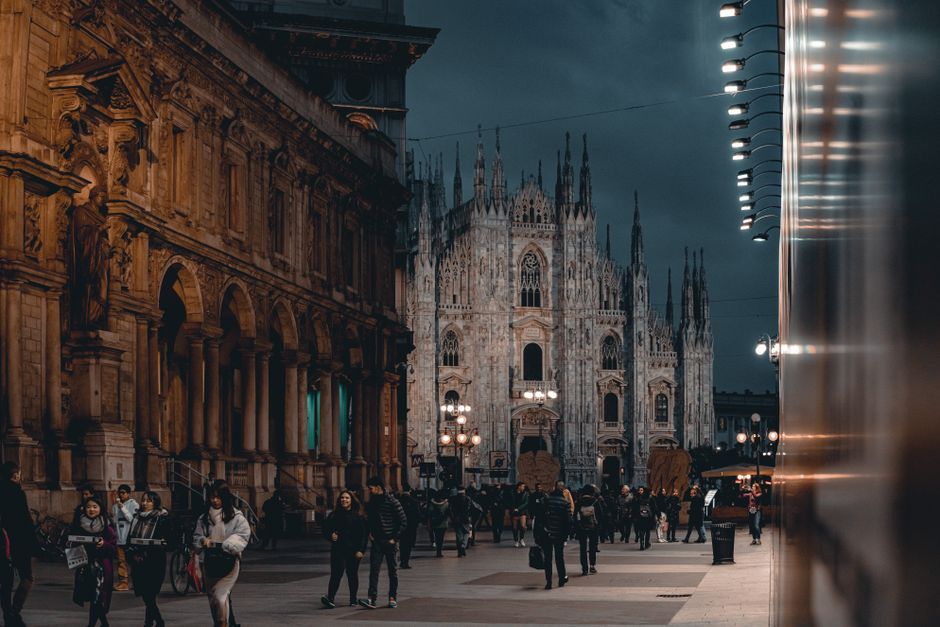
The 2010s saw another transformation: the rise of Airbnb and short-term rental platforms fundamentally altered housing economics. Thousands of apartments that might have provided long-term rentals were converted into tourist accommodations, particularly in neighborhoods around the Duomo, Sforzesco Castle, and the Quadrilatero fashion district. This migration further tightened the long-term rental market.
Today's numbers tell the story starkly: median rents in Milan have increased roughly 35 percent in the past decade. A one-bedroom apartment in Porta Venezia or Isola now regularly commands €1,200 monthly. Vacancy rates in desirable neighborhoods hover near zero. Young professionals and families have been systematically pushed toward distant suburbs—Rozzano, Corsico, Monza—creating sprawl and lengthening commutes.
The Comune's recent zoning reforms and incentives for residential conversion represent recognition that the previous approach failed. But they arrive after decades of constrained supply and speculative investment have fundamentally reshaped Milan's social composition. Understanding today's policy debates requires grasping this history: Milan didn't choose its current crisis through a single decision, but through accumulated choices made across decades, each rational at the time, collectively catastrophic.
This article was compiled by AI from the sources linked above and screened before publishing. See our editorial standards.