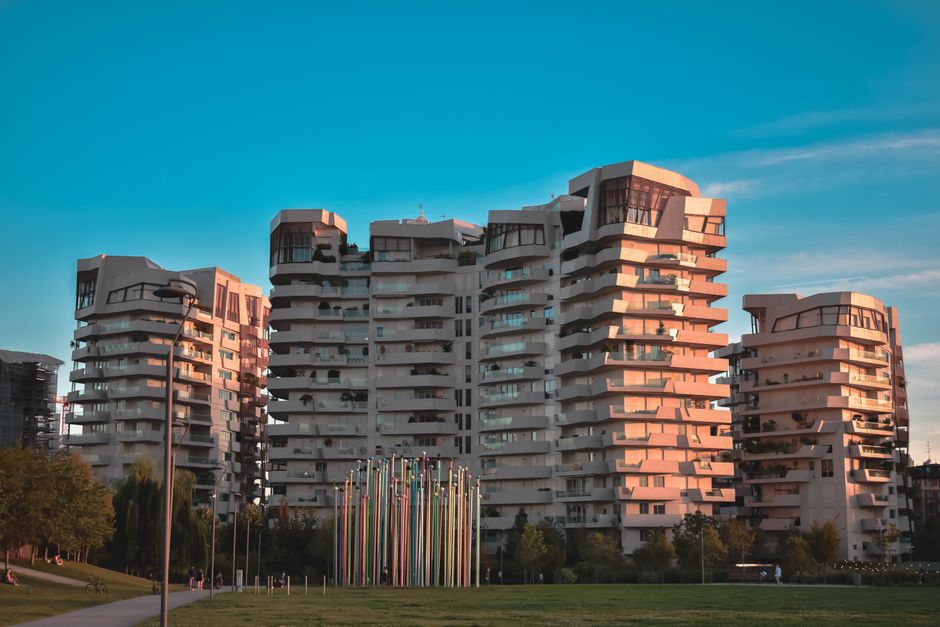
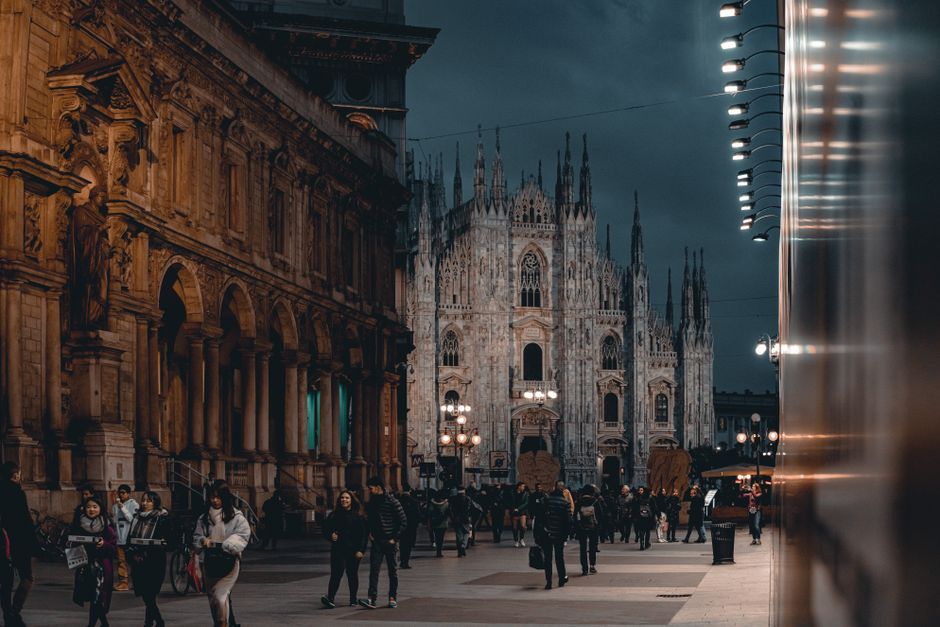
Milan's municipal government has greenlit one of the most consequential transport policy shifts in a decade, approving a €150 million investment scheme that will reshape how residents pay to move through the city. Starting September 1st, the expanded Area C congestion charge will extend from the historic centre into surrounding neighbourhoods including parts of Porta Romana and the eastern Forlanini district, affecting an estimated 280,000 daily commuters.
For residents, the implications are immediate and tangible. The standard daily charge rises to €12.50—up from €5—though exemptions for residents within the new zone soften the blow somewhat. However, commuters traveling from suburbs like Rho or Sesto San Giovanni into central Milan for work face steeper bills. City officials project the measure will reduce vehicle traffic by 18 percent while generating revenue for public transport improvements.
"This is about quality of life," explained a municipal transport official at yesterday's council session, noting that Milan's air quality has ranked among Italy's worst, with nitrogen dioxide levels regularly exceeding EU standards. The levy specifically funds 45 additional tram cars for the ATM network and accelerated completion of the M4 metro line extension toward Linate Airport—critical infrastructure that currently sees M1, M2, and M3 lines operating at 94 percent capacity during rush hours.
The decision hasn't gone unchallenged. Small business owners along Viale Monza and in the Lambrate creative district worry about reduced foot traffic, while parent groups question whether transport improvements will reach peripheral schools in time. The local chamber of commerce has requested a six-month grace period for delivery businesses, a request still under review.
What makes this policy shift particularly significant is its timing. Milan is competing fiercely with Rome and Turin for major European investment and talent. The city's sustainability credentials—already bolstered by its renewable energy targets and recent green building mandates—now extend into daily mobility patterns. This positions Milan among European peers like Copenhagen and Amsterdam in aggressively pricing car use.
For residents already struggling with Milan's notoriously high rent—average €1,850 for a two-bedroom apartment in Centro—the charge represents another cost burden. Yet data from comparable cities suggests congestion pricing typically improves commute times by 12-15 minutes within two years, offsetting some economic friction.
The real test arrives in autumn, when thousands of Milanese discover whether cleaner air and faster buses justify emptying their wallets at every city boundary crossing.
This article was compiled by AI from the sources linked above and screened before publishing. See our editorial standards.