Milan's housing crisis didn't emerge overnight. It is the accumulated result of planning decisions stretching back to the 1990s, when the city pivoted towards becoming a global financial and fashion hub, attracting international capital and reshaping its urban landscape in ways that have only recently sparked serious municipal reckoning.
The numbers tell a stark story. Average apartment prices in central neighbourhoods like Brera and the Quadrilatero d'Oro now exceed €12,000 per square metre—nearly triple the national average. Meanwhile, the stock of publicly-owned social housing has stagnated at roughly 7 per cent of the total housing supply, among the lowest rates in major European cities. Young families and essential workers face eviction threats or commute times exceeding ninety minutes from satellite towns like Monza and Lodi.
The roots trace to the post-industrial transformation of the 1980s and 1990s, when Milan shed its manufacturing identity. City planners, seeking international prestige, prioritised luxury residential development and commercial spaces. The Navigli district gentrified rapidly. Porta Romana's working-class character dissolved into designer boutiques. Investment flowed into renovating historic palazzos rather than building new affordable units. Zoning regulations favoured high-margin projects; subsidised housing construction languished.
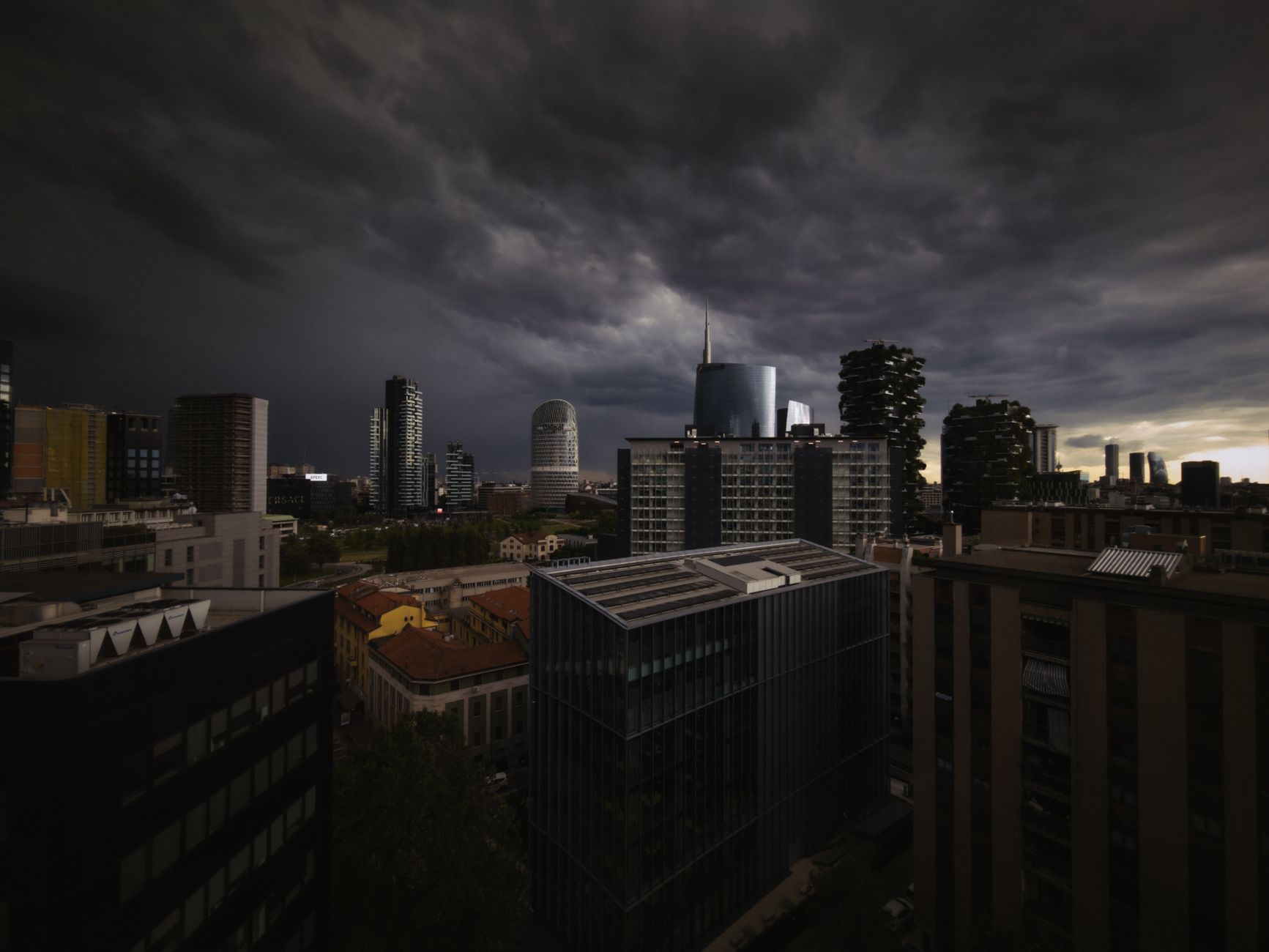
The financial crisis of 2008 temporarily slowed speculation, but the recovery intensified it. Foreign investment surged after 2015, particularly from Gulf and Asian investors seeking stable European assets. By 2020, nearly 40 per cent of new residential units were marketed to international buyers. The Isola neighbourhood, once working-class, became a laboratory for luxury redevelopment. Porta Nuova's skyscrapers symbolised this vertical expansion—profitable but exclusionary.
Municipal authorities long treated housing as a market issue rather than a public good. The Comune di Milano lacked sufficient budget allocation for social housing expansion. Private developers shaped the city's growth more than public planners. Even as homelessness visibly increased around Stazione Centrale and employment precarity expanded, zoning remained friendly to luxury conversion.
The turning point came around 2023-2024, when housing affordability became a dominant electoral issue and Milan's international reputation faced criticism for inequality. The current administration inherited a city where essential workers could no longer afford to live, where university graduates delayed family formation, and where entire neighbourhoods had transformed beyond recognition in a single generation.
Today's housing debates—whether addressing rent controls, expanding social housing quotas, or taxing vacant properties—are essentially attempts to correct course from thirty years of accumulated decisions. Understanding this history is essential to grasping why housing policy reform now feels so urgent, and why reversing entrenched patterns proves so difficult.
This article was compiled by AI from the sources linked above and screened before publishing. See our editorial standards.