Milan's University Housing Crisis: Why Students' Struggle Reshapes the City's Future
As accommodation costs spiral beyond reach for thousands of young scholars, Milan risks losing its competitive edge as a global education hub.
As accommodation costs spiral beyond reach for thousands of young scholars, Milan risks losing its competitive edge as a global education hub.
The Politecnico di Milano and Università degli Studi di Milano have long been twin jewels in Italy's academic crown, attracting talent from across Europe and beyond. Yet increasingly, those ambitions face a harsh economic reality: student housing in the city has become a luxury many cannot afford.
Data from the regional education authority reveals that average rent for a single room in student neighbourhoods around the Bovisa campus has climbed to €650 monthly—nearly 40 per cent above the national average for university cities. In coveted zones like Brera and around Porta Romana, prices exceed €800. For a typical Italian student whose family income hovers around €35,000 annually, these figures are prohibitive.
The consequences ripple through Milan's entire ecosystem. Housing shortages have forced nearly 15 per cent of enrolled students to commute from satellite towns like Monza and Brescia, adding two hours daily to their study load. Meanwhile, the city's hallmark vibrancy—built on young professionals clustering in neighbourhoods like Navigli and Isola—risks stagnation if universities cannot retain talent.
«The housing market has fundamentally changed the conversation,» says Matteo Bianchi, president of Milan's Student Council, speaking on behalf of thousands facing this squeeze. International recruitment, crucial to Milan's standing against competitors like Bologna and Rome, has stalled; foreign applications to both major universities dropped 8 per cent in the past academic year.
The municipal government has responded with modest interventions. A new residence hall opened near Lambrate last autumn, housing 220 students at subsidised rates of €480 monthly. Yet demand far exceeds supply. The waiting list extends beyond two years for city-run dormitories.
Local businesses, too, feel the pressure. Cafés and bookshops that thrived on student foot traffic report declining sales. The cultural institutions—from the Pinacoteca di Brera to smaller galleries in Garibaldi—have seen youth attendance flatten.
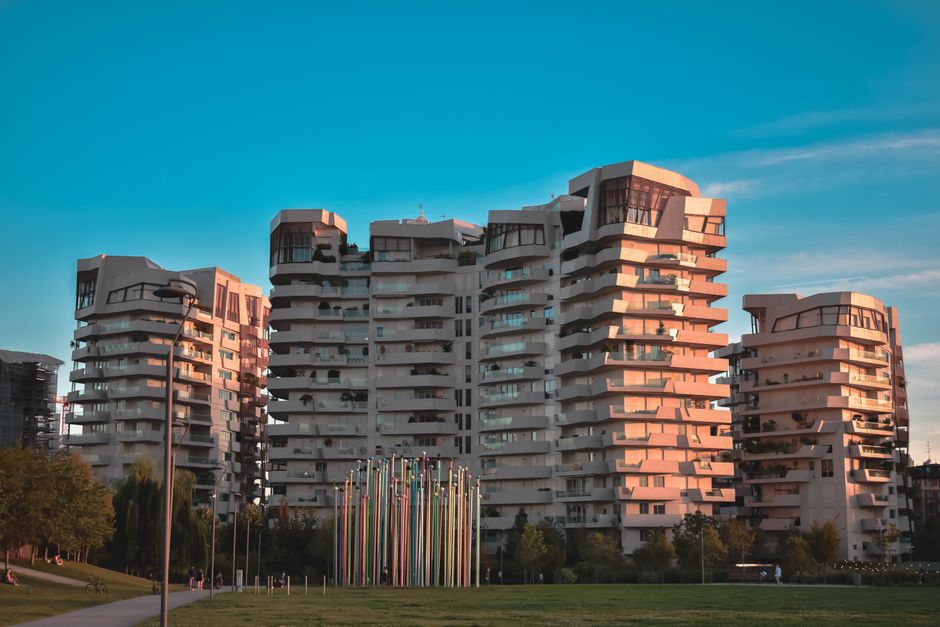
Private developers have begun filling gaps, though at market rates that price out middle-income families. Luxury student housing near the new Citylife complex advertises studios at €1,200 monthly—accessible only to the wealthy.
What happens next matters beyond dormitory beds. If Milan cannot house its students affordably, it cannot sustain the human capital that drives innovation, cultural vitality, and economic growth. The question facing city planners isn't merely architectural; it's existential.
This article was compiled by AI from the sources linked above and screened before publishing. See our editorial standards.
How does this story make you feel?
Spread the word
About this article
Published by The Daily Milan
Daily brief
Free, in your inbox before 7am. Weekdays.
More in News