Milan's New Public Transport Plan: Why Your Commute and Neighbourhood Quality Are About to Change
City council approves €340 million infrastructure overhaul that will reshape traffic patterns across Navigli, Duomo, and outer boroughs by 2028.
City council approves €340 million infrastructure overhaul that will reshape traffic patterns across Navigli, Duomo, and outer boroughs by 2028.
Milan's municipal administration has green-lit an ambitious €340 million public transport reorganisation that will fundamentally alter how residents move through the city over the next two years. The plan, approved last week by the city council, introduces expanded metro coverage, bus lane extensions, and restricted vehicle zones across central districts—changes that will ripple outward to affect everything from commute times to property values and neighbourhood foot traffic.
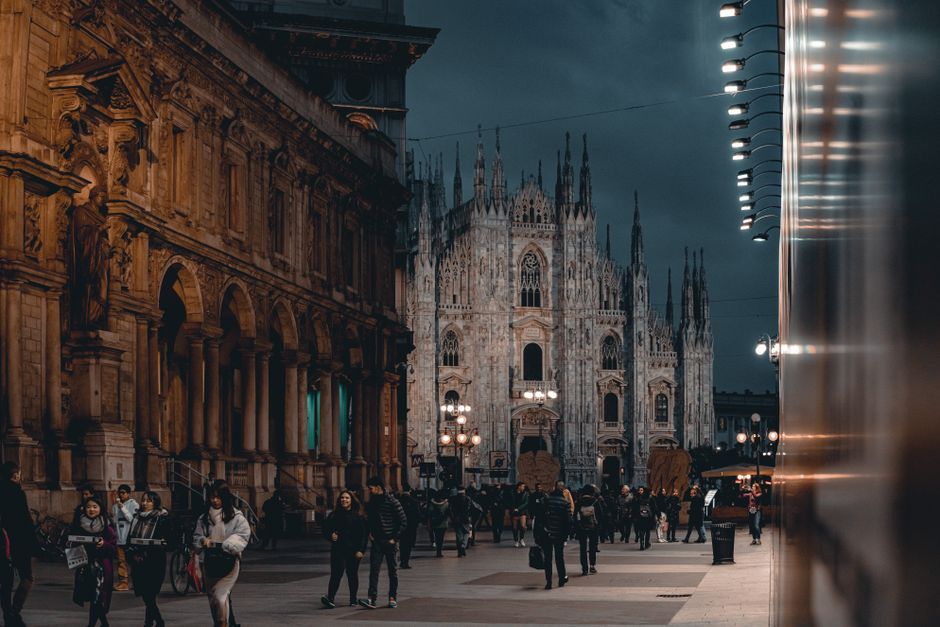
The scale of disruption is significant. The scheme prioritises pedestrian zones in the historic Navigli district while simultaneously expanding the ATM bus network into outer boroughs like Affori and Greco, where commute times currently average 52 minutes to the Duomo area. Under the new system, that journey is projected to drop to 38 minutes by 2028. For the estimated 1.2 million daily commuters relying on public transport, the implications are substantial.
However, the transition period presents immediate challenges for local businesses and residents. Construction on Via Torino and surrounding central streets will begin in September, restricting parking and delivery access for approximately eight months. Shop owners in the area—particularly those in the busy retail corridors between Piazza del Duomo and Piazza San Babila—report anxiety about reduced customer footfall during peak autumn and winter trading seasons. The chamber of commerce estimates potential revenue losses of 15-20 percent for affected merchants unless the city implements promised compensation schemes.
The outer boroughs face different pressures. While improved connectivity promises economic revitalisation for areas like Lambrate and Villapizzone, residents worry about gentrification accelerating rents. Average monthly rent in Navigli has already climbed to €850 per square metre; improved accessibility could push that higher, pricing out long-term residents.
The council has allocated €45 million specifically for community consultation and impact mitigation, including subsidised travel for low-income residents and business support funds. Monthly neighbourhood forums in each affected district begin in July, though turnout at previous city consultations suggests many residents remain unaware of the changes ahead.
What distinguishes this plan from previous infrastructure projects is its integration with Milan's climate goals. The expansion explicitly prioritises reducing vehicle traffic by 22 percent in central zones by 2030, aligning with Italy's broader EU emissions commitments. For cycling advocates and environmental groups, this represents a genuine shift; for drivers accustomed to accessing the Duomo directly, it signals a harder-edged reconfiguration of urban life.
The real test arrives in autumn. How seamlessly construction proceeds, whether promised business supports materialise, and whether transit improvements genuinely materialise will determine whether residents view this as visionary urban renewal or costly disruption.
This article was compiled by AI from the sources linked above and screened before publishing. See our editorial standards.
How does this story make you feel?
Spread the word
About this article
Published by The Daily Milan
Daily brief
Free, in your inbox before 7am. Weekdays.
More in News