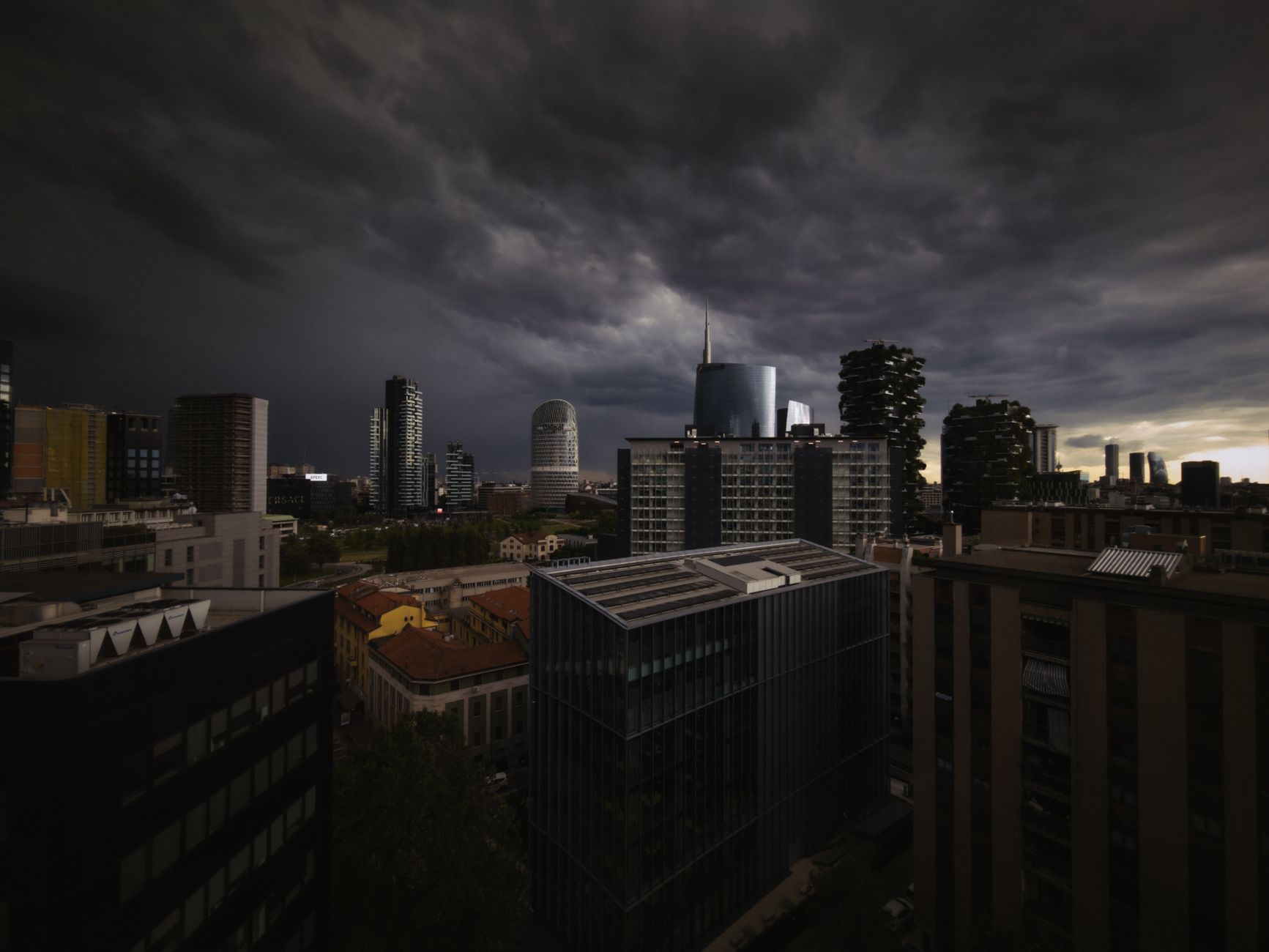
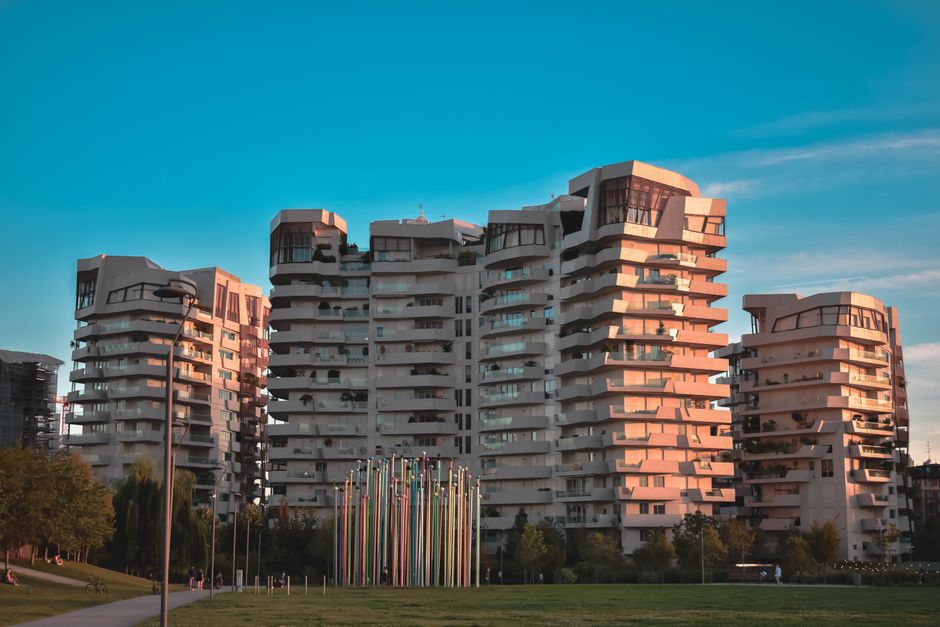
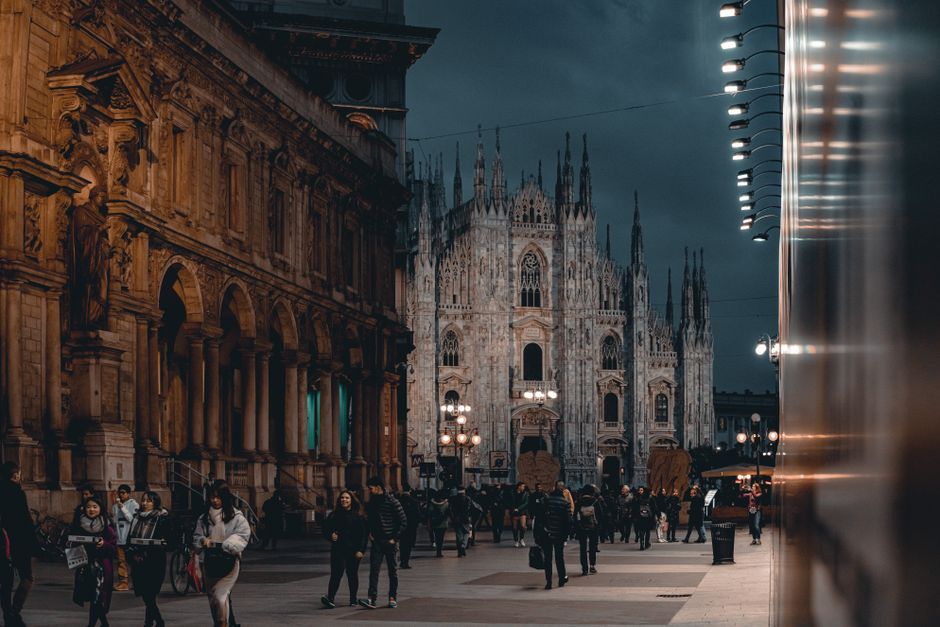
Milan stands at a crossroads as July approaches, with three pivotal decisions looming that will define the remainder of the administration's tenure and reshape how residents navigate their city over the coming years.
The most immediate challenge centres on the proposed expansion of the M4 metro line toward San Siro. City planners must decide by mid-July whether to accelerate the project timeline, originally scheduled to reach the stadium district by 2030, or maintain the current trajectory. The €2.1 billion investment has become politically fraught: supporters argue it will reduce congestion on the Viale Caproni corridor and ease access to the San Siro redevelopment zone, while opponents worry about construction disruption across Porta Romana and the Navigli district. Engineers have signalled that a decision delay beyond July risks pushing completion into 2031.
Equally pressing is the housing affordability crisis gripping central Milan. Average rental prices in the Duomo area now exceed €1,850 monthly for a two-bedroom apartment—a 23 per cent increase since 2023. The administration must choose between three competing proposals: a new rent-control framework targeting properties within the ring road, a fast-track approval process for mid-rise residential development in Porta Nuova, or expanded subsidy programmes for lower-income residents. Each approach carries political and economic trade-offs that will resonate through next year's mayoral campaign.
The third crucial decision involves the long-debated restoration of the Navigli waterways. For decades, the historic canal system has languished as a secondary concern, yet recent summer flooding and deteriorating embankments have pushed the issue onto the administration's priority list. City engineers have proposed two pathways: a €340 million comprehensive restoration spanning five years, or a phased €180 million approach prioritising the central Navigli Grande first. The choice will determine not only environmental outcomes but also the pace of gentrification in an area already experiencing significant demographic and economic shifts.
Behind these decisions lies a deeper question about Milan's identity as it matures into its post-Expo phase. The 2015 World Exposition promised transformation; six years on, the city must decide whether to consolidate those gains or pursue new directions entirely. The administration's choices on transport, housing and heritage will signal whether Milan is preparing for controlled, managed growth or betting on accelerated urban change.
City Hall has scheduled public consultation sessions throughout July at the Palazzo Marino and decentralised municipal offices across Navigli, Porta Romana and Sant'Ambrogio. These discussions will inform formal decisions expected by early September, when the new fiscal year budget must account for infrastructure priorities.
This article was compiled by AI from the sources linked above and screened before publishing. See our editorial standards.