When Milan unveiled its updated sustainability roadmap in 2024, the city committed to reducing carbon emissions by 55% by 2030. Nearly two years on, the numbers tell a revealing story about whether Europe's fashion capital can walk the walk on climate action.
The figures are impressive in places. The city's cycling infrastructure has expanded to 330 kilometres of bike lanes—up from just 189 kilometres in 2015. Data from the Comune di Milano shows that bicycle trips have increased by 47% since 2020, with an estimated 160,000 daily journeys now made on two wheels. Around the Navigli district and along the Martesana canal, where families congregate on weekends, the shift is visibly tangible.
Public transport adoption tells a complementary story. The Azienda Trasporti Milanesi reported that annual metro ridership exceeded 641 million journeys in 2025—a 12% increase from 2020. Integrated ticketing has become seamless, with 78% of commuters now using digital passes rather than paper tickets.
Yet sustainability metrics reveal friction points. Milan's air quality index, measured across monitoring stations in districts like Città Studi and Cormano, shows nitrogen dioxide levels remain 18% above EU target thresholds during winter months. The city's green coverage—17.6% of total urban area—trails behind comparable European cities like Copenhagen (27%) and Vienna (30%).
Renewable energy adoption accelerates. Solar installations on Milan's rooftops grew from 8,450 units in 2020 to 34,200 by spring 2026, representing a 304% expansion. Yet renewables currently supply just 22% of the city's energy needs, with natural gas still accounting for 61% of consumption.
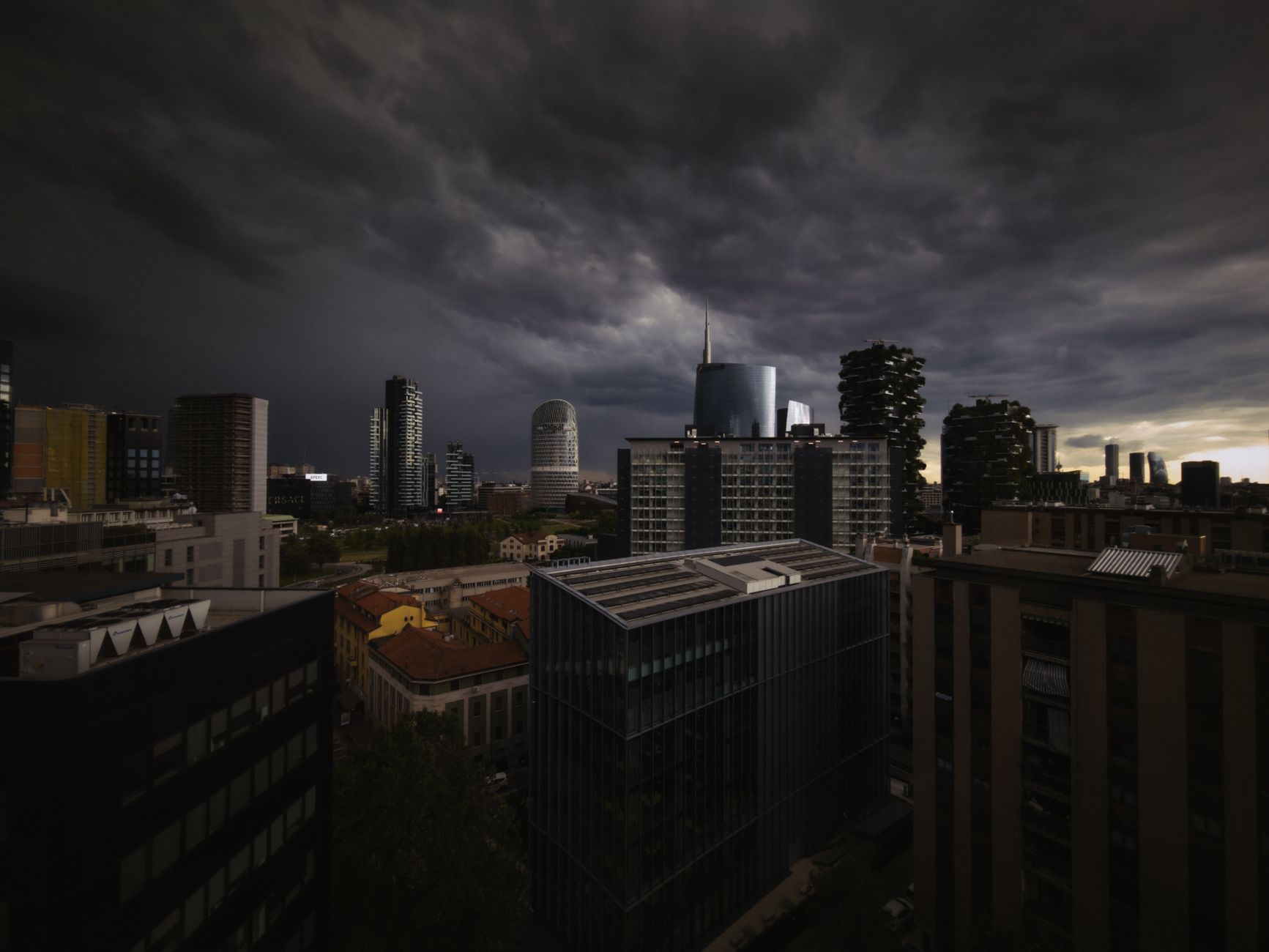
The Bosco Verticale developments in Porta Nuova, though iconic, represent only 2.3% of the city's total residential construction between 2023 and 2026. Traditional building renovation—critical for emissions reduction—has accelerated to 12,400 properties annually, yet reaching the targeted 25,000 annual renovations by 2030 remains uncertain.
Waste management shows progress. The city's separate waste collection rate reached 71% in 2025, exceeding the national average of 63%. Yet recycling quality remains inconsistent, with 23% of collected materials ultimately destined for landfill due to contamination.
As Milan positions itself for the 2026 Winter Olympics, sustainability commitments face their most visible test. The data suggests genuine momentum—but also that translating percentages into lived environmental change remains Milan's unfinished work.
This article was compiled by AI from the sources linked above and screened before publishing. See our editorial standards.