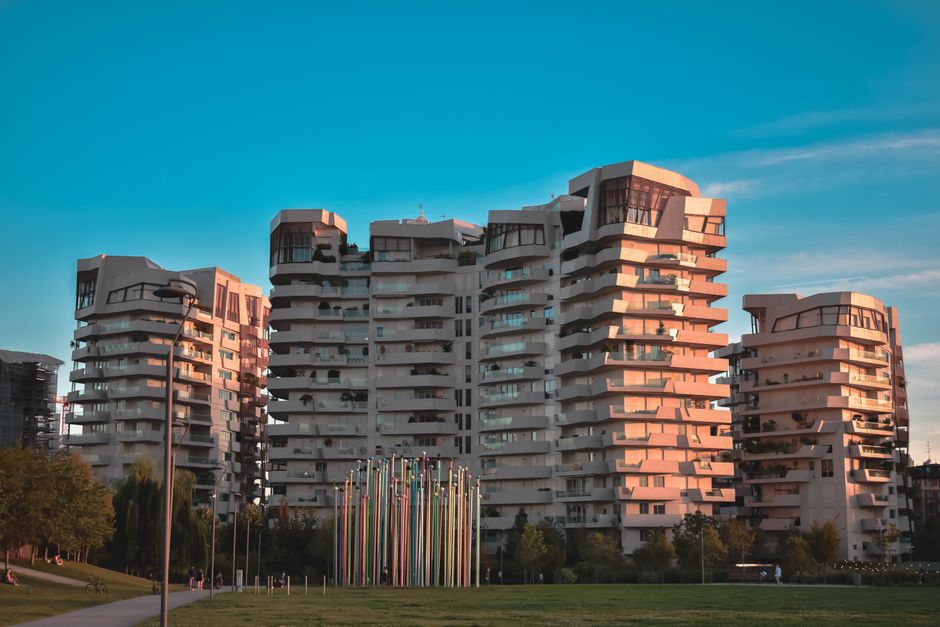
Milan's housing landscape has undergone a dramatic transformation over the past twenty years, yet many residents only now confront the consequences of choices made quietly by administrators, developers, and investors across multiple political cycles.
The clearest inflection point came in the early 2000s, when city planners began loosening restrictions on conversion of industrial spaces in Navigli and Porta Romana. What seemed like urban renewal at the time—breathing life into abandoned warehouses—became a template for speculative investment. Property values in these neighbourhoods tripled between 2005 and 2015. Today, a modest two-bedroom flat in Navigli averages €850,000, pricing out families that might have afforded the area a decade earlier.
Parallel to this boom, Milan's municipal housing programme—gestito from the Palazzo della Regione Lombardia—contracted. Investment in social housing units dropped by nearly 40 per cent between 2010 and 2020, according to data from the Fondazione Housing Sociale. Meanwhile, the city's population grew by approximately 100,000 residents, many drawn by the fashion and design sectors clustering around Brera and Sant'Ambrogio.
The real estate sector, increasingly dominated by international funds and foreign investors, began treating Milan less as a living city and more as a financial asset. Tourist short-let platforms accelerated the shift from family rentals to high-margin vacation lets. A 2023 study by Politecnico di Milano found that nearly 15 per cent of residential units in central districts were registered for tourist use, compressing the traditional rental market available to workers and young families.
Public transport expansion, meant to ease pressure on inner-city housing, instead triggered secondary waves of speculation. Neighborhoods along the M4 line—opened in 2013—saw property values surge immediately after station openings, pricing out existing residents before they could benefit from improved connectivity.
By 2024, Milan's median rent reached €1,250 per month for a one-bedroom apartment, while wages for service sector workers remained relatively stagnant. The city's affordable housing shortfall now exceeds 50,000 units, according to housing advocacy groups.
Today's municipal discussions about zoning reform, rent controls, and mandatory affordable housing quotas in new developments represent belated recognition of this trajectory. Whether these measures can reverse two decades of market-driven displacement remains the defining question facing Milan's planning authorities as they navigate the tensions between growth, affordability, and livability.
This article was compiled by AI from the sources linked above and screened before publishing. See our editorial standards.