Milan's top security officials have intensified public warnings about rising crime in the coming months, with police commanders and city administrators calling for urgent action to prevent further deterioration across key neighbourhoods as the summer season approaches.
Concerns have centred on the Navigli district, where late-night incidents have increased by an estimated 18% since January, according to preliminary data from the Questura di Milano. The historic canal area, which attracts thousands of tourists and local residents daily, has become a focal point for both crime and security deployment efforts.
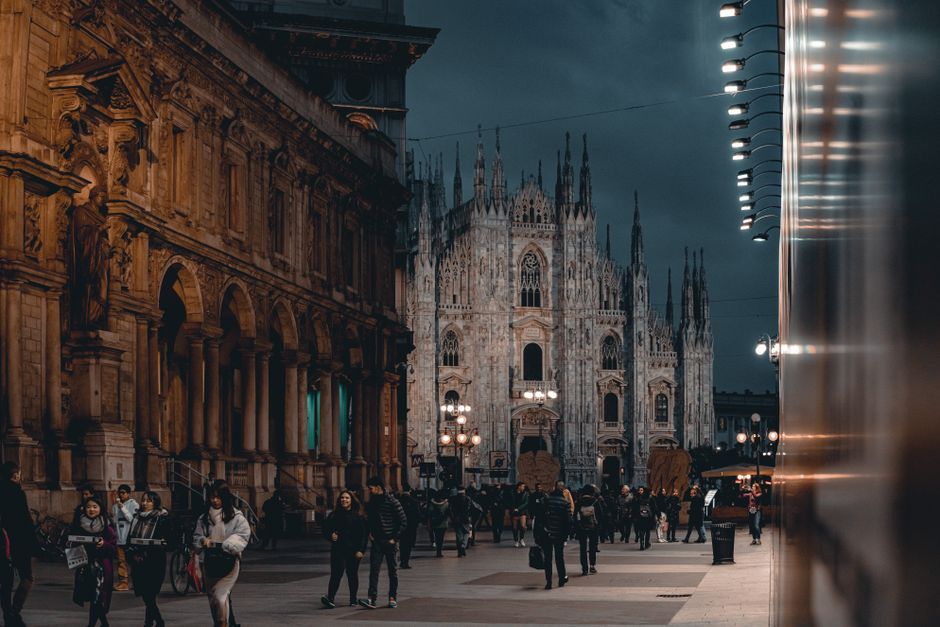
"The summer months present unique challenges," a spokesperson for Milan's municipal safety commission told reporters last week, emphasising that sustained police presence and community cooperation remain critical. Officials have pointed to successful operations in Piazza Duomo and surrounding areas, where increased CCTV coverage and foot patrols have contributed to measurable reductions in pickpocketing and aggressive solicitation.
The Carabinieri have announced plans to expand their visible presence in high-traffic zones including the Central Station, Cairoli metro junction, and along the Corso Buenos Aires shopping corridor. Local business owners, who reported losses exceeding €2.3 million to organised theft rings in 2025, have welcomed the commitment but expressed scepticism about long-term sustainability.
"We need consistency, not reactive deployments," said representatives from the Navigli Traders' Association during a recent municipal hearing. "Tourists won't return if they feel unsafe, and that affects everyone's livelihood."
Emergency services have also flagged concerns about response times in peripheral neighbourhoods. The Milano Fire Department and ambulance services reported increased call volumes during evening hours across zones like Lambrate and Ortica, where gang-related activity has been documented by investigators.
City officials have outlined proposals for enhanced street lighting upgrades on Via Torino and in the Isola neighbourhood, while the prefect's office has suggested coordinated efforts between municipal police, Carabinieri, and community organisations. Plans include expanded youth outreach programmes and improved coordination with venue operators in nightlife districts.
"Public safety is a shared responsibility," the spokesperson added, noting that citizen vigilance and reporting remain essential complements to law enforcement efforts. Residents can report suspicious activity through the Comune di Milano's dedicated app or traditional hotlines.
The city council is scheduled to debate additional security funding allocations in July, with debates expected to centre on balancing visible enforcement with community trust-building initiatives.
This article was compiled by AI from the sources linked above and screened before publishing. See our editorial standards.