On a humid June evening, the converted warehouse on Via Vigevano hums with activity. Children sketch at long wooden tables while their parents sip coffee in the courtyard. A jazz trio tunes up for tonight's performance. What might look like just another Milan venue tells a deeper story about neighbourhood fracture and the quiet resistance taking shape across the city's most pressured districts.
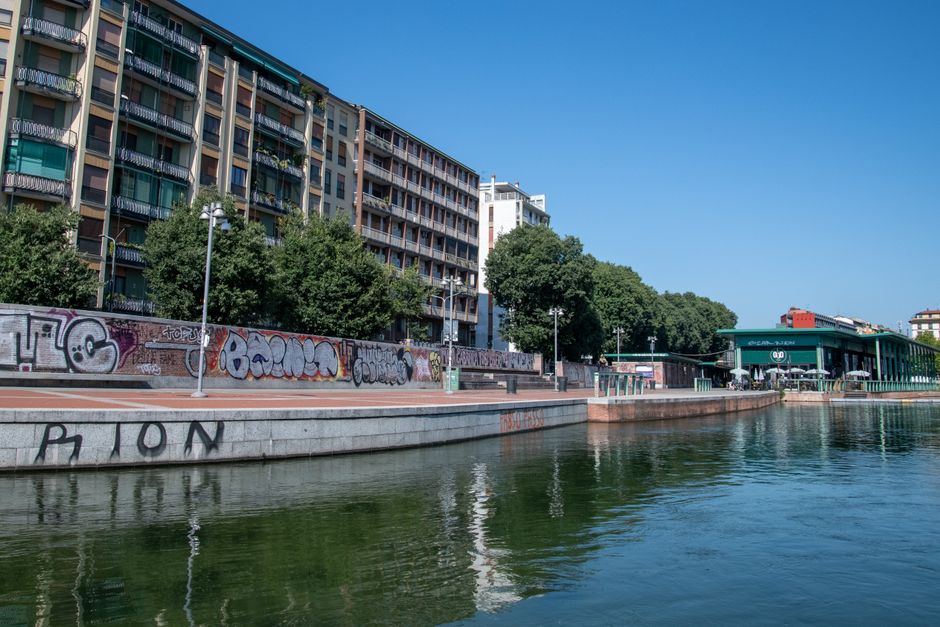
The Navigli quarter has undergone seismic change. Property prices have nearly tripled since 2015, climbing from an average €6,500 per square metre to over €18,000 today. Long-term residents—many elderly, many working-class—have watched rents spiral beyond reach. Between 2019 and 2024, approximately 12% of the neighbourhood's original population relocated, according to municipal housing data. Coffee bars have become aperitivo lounges. Family-run grocers have shuttered. The fabric frays.
The community centre, officially opened last month, emerged from precisely this tension. Coordinated by a coalition including Legambiente and three local residents' associations, the 800-square-metre space operates on a sliding-scale membership model. A family earning under €35,000 annually pays €8 monthly; above €80,000, the fee is €25. Since opening, over 600 residents have joined.
"This isn't nostalgia," explains the centre's operations coordinator—who requested anonymity to avoid compromising relationships with municipal partners. "It's about survival. When you lose your third place—your coffee bar, your community centre, your gathering spots—you lose your neighbourhood's nervous system."
The venue hosts Italian language classes for recent migrants, after-school programmes for kids whose parents work inflexible hours, film screenings addressing housing rights, and art exhibitions featuring neighbourhood photographers. Last week, a pensioner's technology workshop attracted 47 residents learning to navigate digital services—a practical intervention against the digital exclusion that often accompanies economic displacement.
Other Milan neighbourhoods are watching. Similar grassroots initiatives are emerging in Porta Romana and Isola, both experiencing comparable demographic upheaval. The Comune has signalled potential support, though formal funding remains uncertain.
What matters most for residents isn't the centre's architectural appeal or Instagram potential. It's whether spaces like this can slow the erasure of community knowledge, intergenerational connection, and affordable belonging in a city increasingly sorted by income. Whether neighbourhoods remain places where diverse people live together, or become mere collections of market transactions.
That question will define Milan's next decade.
This article was compiled by AI from the sources linked above and screened before publishing. See our editorial standards.