Walking along the Navigli canals on a humid June afternoon, residents and shop owners are increasingly vocal about Milan's sustainability transformation—and their concerns are as diverse as the neighbourhoods themselves.
The city has committed to reducing carbon emissions by 80 percent by 2030, with aggressive plans to expand its metro system and eliminate petrol-powered vehicles from central zones. Yet those living in areas most affected by construction and transition costs paint a complicated picture of environmental ambition meeting everyday realities.
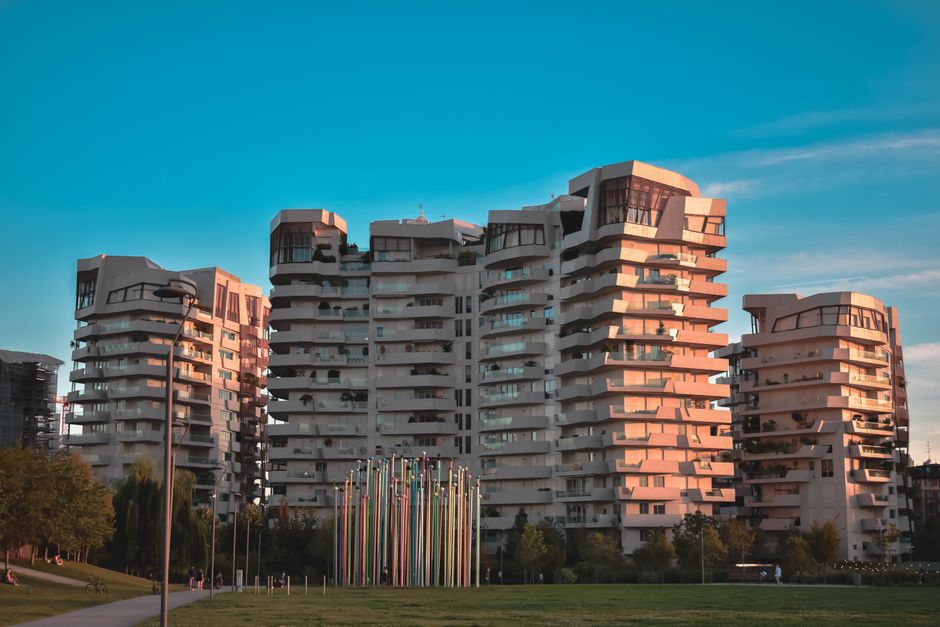
In the Porta Nuova district, where renovation projects have accelerated around the new Biblioteca degli Alberi park, local business owners express cautious optimism. The green spaces have increased foot traffic, they say, though temporary road closures have squeezed profit margins. One neighbourhood association estimates construction-related disruptions have cost nearby retailers up to 15 percent in seasonal revenue.
Meanwhile, residents in Lambrate—historically an industrial zone now targeted for conversion into green spaces—voice concerns about housing affordability. Property values have jumped 12 percent in two years as developers market "sustainable living." For working-class families who have lived there for decades, the irony stings: environmental progress is pricing them out.
The city's expansion of bike lanes has won praise from younger residents and environmental advocates, though some elderly residents and people with mobility challenges question whether pedestrian infrastructure keeps pace. Maria Grazia, a retiree from the San Gottardo area, notes that while new cycling routes are impressive, bus stop accessibility remains inconsistent.
Perhaps most revealing is the disconnect between Milan's global green reputation and grassroots experience. The city regularly tops sustainability rankings, yet residents point to persistent issues: inadequate recycling infrastructure in older neighbourhoods, limited affordable electric vehicle charging stations, and insufficient public transport to outer areas like Quarto Oggiaro.
"The ambition is real," explains one community organiser from the Isola district, "but it sometimes feels like Milan is building a showcase city for international headlines while forgetting that sustainability must work for everyone, not just the wealthy."
As the 2030 deadline approaches, city administrators face mounting pressure to prove that Milan's environmental leadership includes genuine consideration of the communities bearing its costs and enjoying its benefits most unevenly. The challenge ahead isn't merely technical—it's social.
This article was compiled by AI from the sources linked above and screened before publishing. See our editorial standards.