Milan's political establishment faces mounting pressure to articulate a coherent migration strategy as the city grapples with housing shortages, labour market shifts, and demographic change. At a policy forum in Palazzo Marino this month, city officials, academic researchers, and integration specialists outlined sharply divergent perspectives on the path forward.
The Porta Venezia neighbourhood, historically a gateway for newcomers, has become a flashpoint in the debate. Rental prices in the area have surged approximately 35% over the past three years, forcing many migrant families toward the periphery. Assessor Pierfrancesco Maran acknowledged the strain during a June briefing, emphasising that housing accessibility "remains non-negotiable" for integration success, though he stopped short of proposing concrete rent controls.
University of Milan economist Professor Andrea Bassini presented fresh research suggesting that second-generation migrants in the Lombardy region contribute disproportionately to small business creation—approximately 18% of new enterprises registered in 2024 involved founders with migrant backgrounds. Yet he cautioned that "policy certainty" was being eroded by inconsistent municipal messaging around residency requirements and business permits.
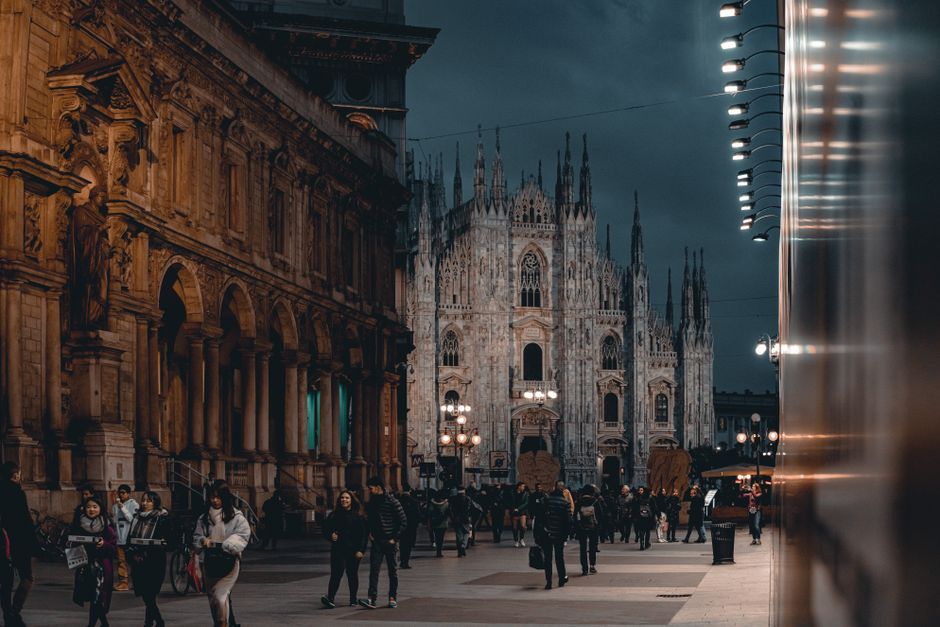
The Caritas Ambrosiana, operating from its headquarters near the Duomo, reported serving 12,400 individuals monthly—a 22% increase from 2024. Director Luciano Gualzetti underscored that language training and vocational pathways remained chronically under-resourced. "We're triaging crises rather than building sustainable pathways," he observed, without attributing specific quotes to officials.
Immigration attorney Valentina Rossi, based in the Navigli district, highlighted legal complexities surrounding asylum processing times, which average 14-16 months in Lombardy—significantly above the European norm. She noted that uncertainty breeds vulnerability, particularly among undocumented populations in informal work sectors.
At Bocconi University, migration studies researchers presented demographic projections suggesting Milan's foreign-born population could reach 28% by 2035, up from 20% today. This trajectory prompted cautious discussion about infrastructure—schools, healthcare, transport—without triggering the polarised rhetoric that has characterised national debate.
What emerged from the week's discussions was not consensus but clarity about the fault lines. Economic actors emphasised labour market integration; housing advocates stressed affordability; integration specialists demanded cultural and linguistic investment; and security officials highlighted administrative challenges. Municipality representatives largely deferred to provincial and regional authorities, citing jurisdictional limits.
The conversation will resume in autumn, when a new integration strategy is expected. For now, Milan's leadership appears content to acknowledge complexity while deferring difficult choices.
This article was compiled by AI from the sources linked above and screened before publishing. See our editorial standards.