Milan's commitment to environmental transformation is reshaping the Navigli district and beyond, yet a closer look at how the city compares to global peers reveals both remarkable progress and stubborn gaps.
The Ambrosiana neighbourhood has become ground zero for Milan's sustainability push. Last year, the city invested €45 million in expanding its bike-sharing system—now boasting over 3,500 stations—and the pedestrianisation of Via Torino marked a symbolic shift away from car-dependent planning. Yet Copenhagen's cycling infrastructure, developed over decades, carries 45% of commuters by bike compared to Milan's current 7%, according to transport analysts.
Where Milan excels is in waste innovation. The city's separate waste collection system, mandatory across neighbourhoods from Brera to Porta Romana, achieves a 72% recycling rate—impressive by Southern European standards. The A2A waste-to-energy facility processes 500,000 tonnes annually, converting refuse into electricity for 200,000 homes. Amsterdam's similar programme operates at comparable efficiency, though the Dutch city benefits from longer-established habits among residents.
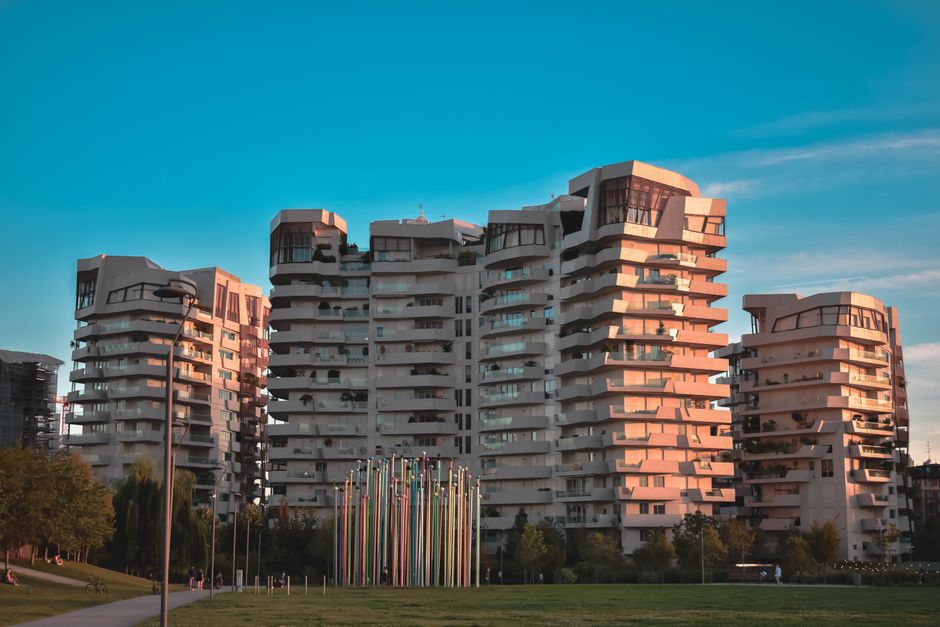
The Bosco Verticale towers in Porta Nuova represent Milan's architectural answer to urban greenery, housing 900 trees and 5,000 plants across two residential skyscrapers. Yet Barcelona's superblocks, reducing traffic and pollution across entire neighbourhoods, affect far more residents than any single development. Milan's officials acknowledge this gap; plans for expanding car-free zones beyond the Centro Storico are advancing, though funding remains contested in city council debates.
Milan's District Heating network—serving 700,000 residents—is among Europe's largest, running on natural gas with plans to transition 20% to biomass by 2030. Berlin's equivalent system already sources 80% from renewable energy, highlighting where Milan's transition still requires acceleration.
Tourism and fashion—Milan's twin pillars—complicate sustainability efforts. The annual fashion weeks generate substantial carbon footprints. Some houses have pledged net-zero production by 2035, but industry-wide transformation remains voluntary rather than mandated.
Mayor Beppe Sala's administration has set targets that rival ambitious northern European cities: carbon neutrality by 2035, tree-planting of 3 million new specimens by 2030, and vehicle emissions cuts of 70% within a decade. Yet implementation depends on sustained investment and political will that international comparisons suggest requires constant vigilance.
Milan is undoubtedly moving faster than five years ago. Whether it catches Copenhagen or Amsterdam remains dependent on whether ambition can outpace inertia in Italy's fastest-changing metropolis.
This article was compiled by AI from the sources linked above and screened before publishing. See our editorial standards.