Fear is reshaping daily life in central Milan. Residents of the Navigli neighbourhood, long celebrated for its vibrant canal-side bars and cultural appeal, are increasingly vocal about a crime wave that has left many reconsidering their routines and safety habits.
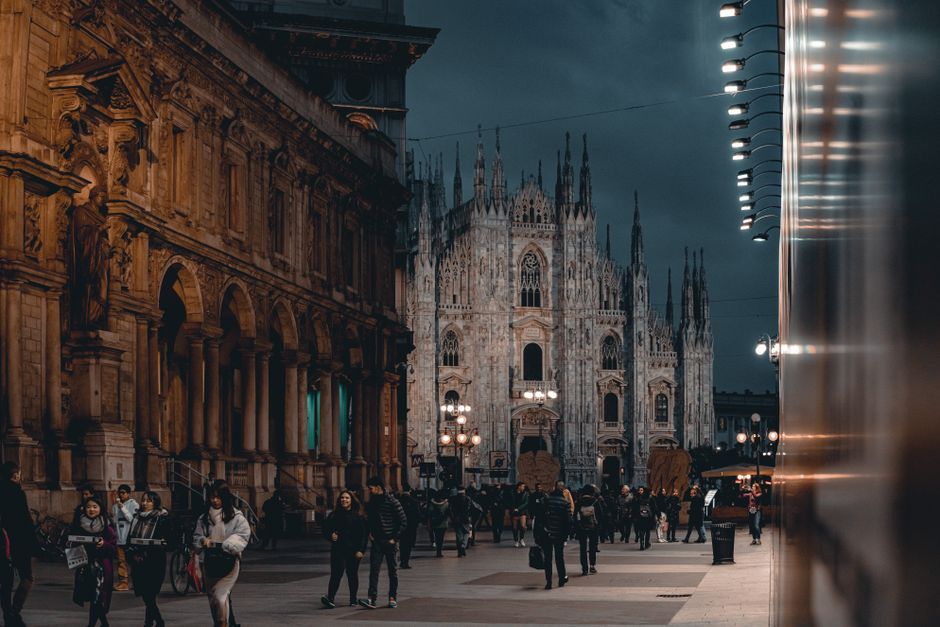
"I've lived here fifteen years and never locked my apartment door," said one long-time resident of Via Ascanio Sforza, speaking on condition of anonymity. "Now I triple-check everything. My daughter won't take the tram home after 8pm." This sentiment echoes across multiple districts, where organised pickpocketing rings targeting tourists and commuters have intensified near the Duomo and around Milano Centrale station.
Local shopkeepers report alarming trends. A pharmacy owner on Corso Buenos Aires noted a 40% increase in theft attempts over six months, while restaurants along the Navigli canal have begun hiring private security—an expense that cuts deeply into already-thin margins. The Milan Chamber of Commerce recently surveyed 200 small businesses; 67% reported experiencing crime or security concerns.
Community associations are mobilising. The Navigli Residents' Committee has organised weekly meetings with police liaisons and launched a neighbourhood watch scheme covering streets from Viale Papiniano to the Basilica di Santa Maria delle Grazie. "We're not vigilantes," explained one committee member. "We're simply documenting patterns—when crimes occur, which streets, what time—and sharing that data with the Questura."
Milan's police presence remains stretched. The city deploys approximately 2,500 officers across all districts, yet tourism and business activity continue to surge, with visitor numbers reaching 4.2 million in 2025. The mismatch has become impossible to ignore for residents managing daily life in increasingly crowded spaces.
The Comune di Milano has promised additional funding for street lighting improvements in the Navigli and enhanced CCTV coverage around major transport hubs. Yet implementation timelines remain vague, frustrating those who say preventative measures should have come months ago.
What resonates most in conversations with affected residents isn't rage but exhaustion—a sense that their city's reputation for sophistication and safety has become a liability, attracting both legitimate visitors and criminal opportunism. "Milan is still Milan," one long-time resident said. "But we need the administration and police to prove they're listening to us, not just the tourism board."
This article was compiled by AI from the sources linked above and screened before publishing. See our editorial standards.