Milan's Green Shift: What City Leaders and Experts Say About Sustainability's Next Chapter
As Milan intensifies its environmental agenda ahead of 2030 climate targets, officials and researchers outline bold plans for the Navigli district and beyond.
As Milan intensifies its environmental agenda ahead of 2030 climate targets, officials and researchers outline bold plans for the Navigli district and beyond.
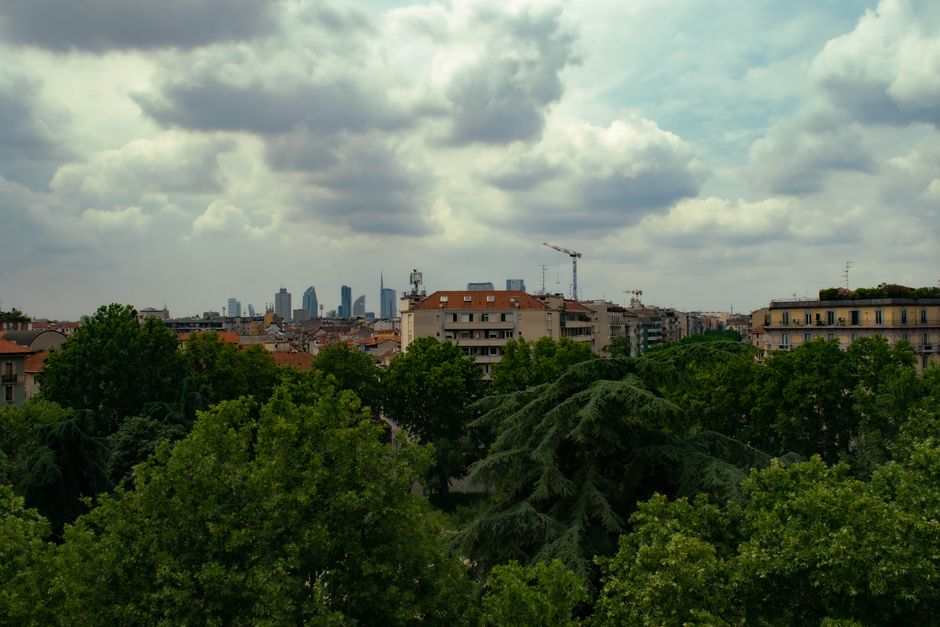
Milan's sustainability narrative is entering a critical phase, with city administrators and environmental experts converging on an ambitious vision for the coming years. At a recent forum held at the Politecnico di Milano's campus near Piazza Leonardo da Vinci, stakeholders outlined concrete strategies to reshape Europe's fashion capital into a model of urban ecological responsibility.
The Comune di Milano has prioritized the restoration of the Navigli canal system—historically central to the city's identity—as a flagship environmental project. Officials emphasize that revitalizing these waterways, which wind through neighborhoods like Porta Ticinese and Navigli, will reduce urban heat by an estimated 2-3 degrees Celsius while creating green corridors for biodiversity. The initiative carries a projected budget of €180 million through 2030, with completion of the first phase anticipated by 2028.
Environmental researchers from the University of Milan highlight Milan's commitment to achieving carbon neutrality by 2050, with interim targets requiring a 55 percent emissions reduction by 2030. Current data shows the city generated 5.2 million tonnes of CO2 equivalent last year—down 8 percent from 2023—largely due to expanded metro lines and reduced vehicular traffic in the historic center. Experts attribute this progress to the Area C congestion charge system, which has been progressively tightened.
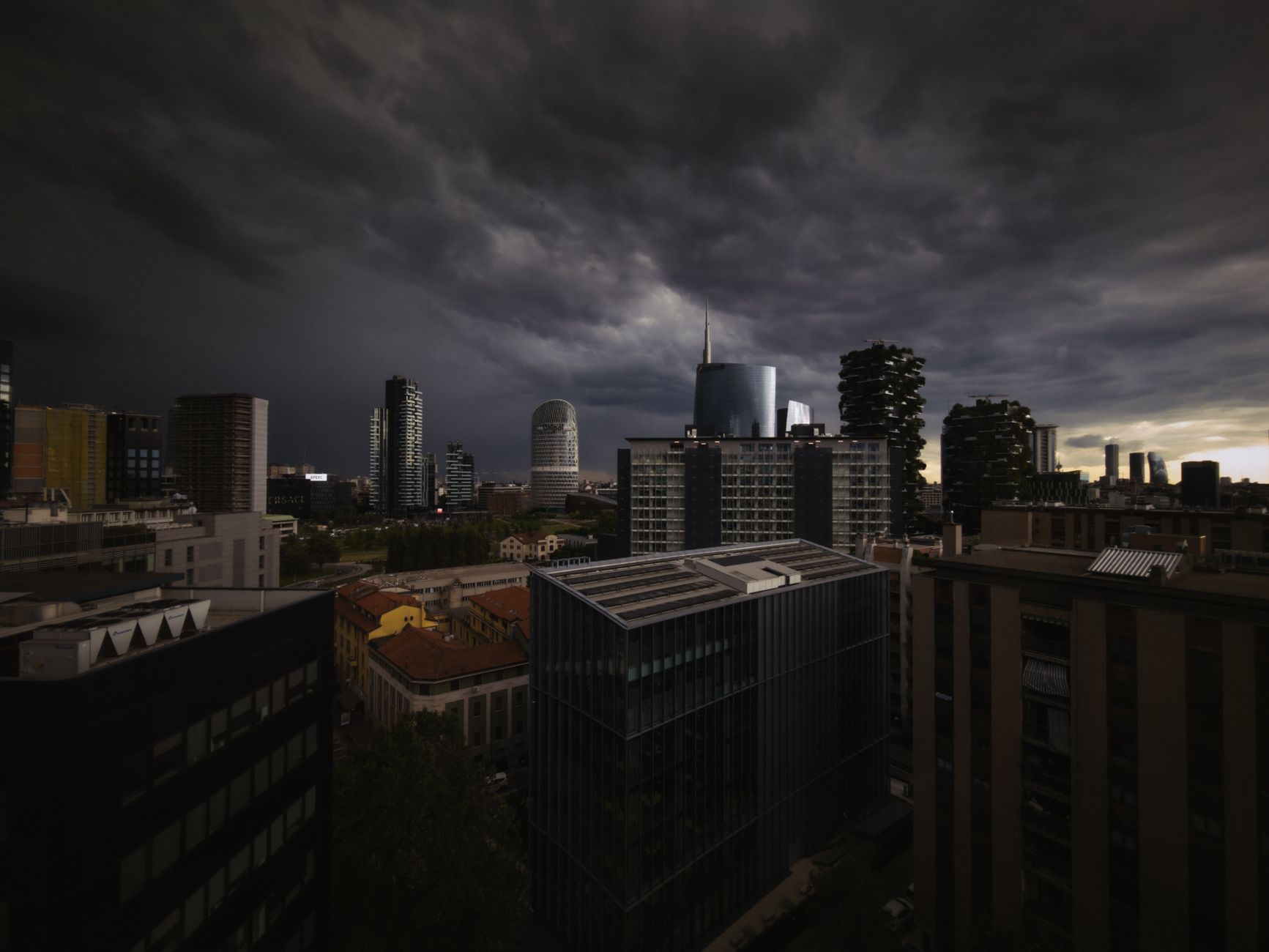
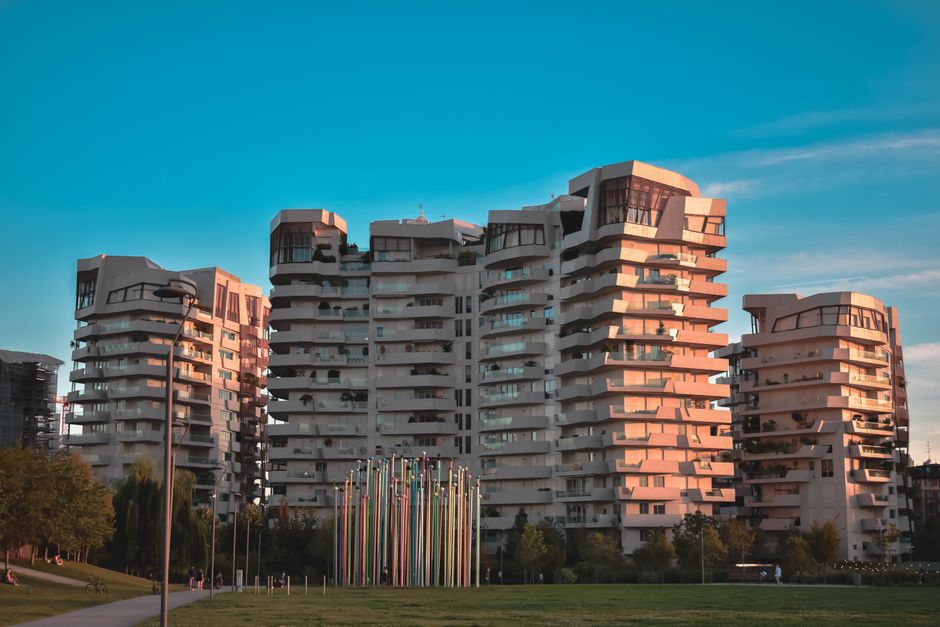
The Garibaldi area, undergoing significant regeneration, exemplifies this shift. Mixed-use developments now incorporate rooftop gardens, rainwater harvesting systems, and energy-efficient design standards that exceed regional requirements by 20 percent. City planners note that green building certifications have increased fivefold since 2020, with over 340 structures now meeting or exceeding LEED standards across Milan's municipalities.
Waste management innovation is equally crucial to the official narrative. Milan's door-to-door recycling program, expanded to 85 percent of residential districts, has boosted the city's waste diversion rate to 68 percent—above the European average of 63 percent. However, experts stress that achieving the 75 percent target by 2030 requires behavioral shifts among residents and businesses, particularly in Brera and Monforte, where contamination rates remain above acceptable thresholds.
Transportation emerges as perhaps the most contentious element. Officials advocate for a complete metro network expansion, while some experts warn that bus rapid transit corridors along Viale Monza and Corso Buenos Aires offer quicker, cost-effective alternatives. The debate reflects deeper questions about equity: how Milan balances environmental ambition with accessibility for lower-income residents in peripheral neighborhoods.
What emerges from these conversations is a city acutely aware that sustainability is neither a luxury nor a completed checklist. Rather, officials and experts frame it as an ongoing negotiation between Milan's global economic role and its obligation to future generations.
This article was compiled by AI from the sources linked above and screened before publishing. See our editorial standards.
How does this story make you feel?
Spread the word
About this article
Published by The Daily Milan
Daily brief
Free, in your inbox before 7am. Weekdays.
More in News