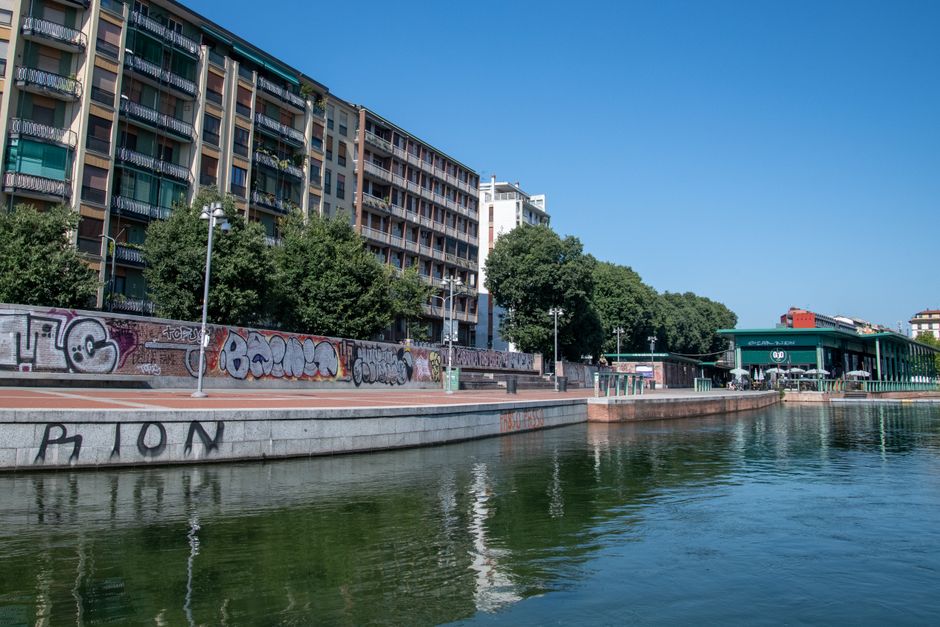
Walk along the Navigli Grande today and you'll see terraces packed with aperitivo drinkers, galleries showcasing contemporary art, and restaurants commanding €35 for a starter. A generation ago, this stretch of Milan's oldest canal neighbourhood was a different place entirely—one of neglect, abandoned warehouses, and residents who could afford to stay precisely because nobody else wanted to be there.
The transformation didn't happen overnight. In 2012, when Milan's municipal government began its Navigli Regeneration Initiative, the neighbourhood's vacancy rate hovered near 22%, according to the Chamber of Commerce. Property values along Via Ascanio Sforza and the surrounding blocks had stagnated for years. The city identified the area—historically a working-class district tied to artisan workshops and small manufacturers—as ripe for intervention.
Public investment in streetlighting, pedestrian pathways, and water management came first. The Fondazione Prada opened a contemporary art space in a converted distillery in 2015, a symbolic anchor that signalled cultural credibility. Design studios and independent bookshops began clustering around Viale Gian Galeazzo. By 2018, property prices had climbed 40% in five years, according to Nomisma real estate data.
For many residents, this represented genuine progress. The neighbourhood's community centre, run by the Associazione Navigli Insieme since 1998, suddenly had resources for expanded programming. Crime dropped measurably. Young professionals moved in, reversing decades of demographic decline.
But the momentum accelerated beyond anyone's initial calculations. Today, average rents in the Navigli have more than doubled since 2015, pricing out precisely the working families and longtime residents whose presence gave the neighbourhood character. The Accademia di Brera, the Poldi Pezzoli Museum, and the Design Academy's proximity meant institutional endorsement amplified commercial interest. By 2024, chain coffee shops outnumbered independent cafés for the first time. Small manufacturing studios—the backbone of Milan's post-war economy—were displaced by boutique hotels and short-term rental apartments.
Community leaders acknowledge the paradox. Enhanced public services and physical safety matter. Yet the very success that made the Navigli desirable has made it inaccessible to the people whose presence once defined it.
City planners insist they're learning. New housing preservation ordinances now require 20% below-market units in major renovation projects citywide. Whether that's enough to prevent similar stories unfolding in neighbouring Porta Genova and beyond remains the central question Milan's urban development community wrestles with as summer 2026 approaches.
This article was compiled by AI from the sources linked above and screened before publishing. See our editorial standards.