Milan's commitment to becoming carbon-neutral by 2050 has thrust the Lombard capital into direct competition with Europe's sustainability frontrunners, though local experts warn the city's path differs markedly from Copenhagen's or Amsterdam's more established green infrastructure.
The Navigli district, once the industrial heartbeat of the city, has become a testing ground for Milan's environmental pivot. Recent initiatives along the restored waterway—including the expansion of electric boat services and car-free zones in Porta Ticinese—mirror efforts in Amsterdam's canal neighbourhoods. Yet Milan's sprawling logistics hubs and fashion manufacturing base present complications absent in smaller Nordic cities.
"Milan generates roughly 650,000 tonnes of waste annually," says the city's latest sustainability report. The ambitious target is a 65% reduction by 2035, significantly higher than Frankfurt's 50% goal. The city's waste-to-energy facility in Sesto San Giovanni processes much of this, though environmental groups continue pushing for aggressive recycling expansion.
Public transport represents another flashpoint. Milan's metro system—1.4 million daily riders across four lines—positions it ahead of many peers, but still lags behind Vienna's integrated network. The city has pledged 400 million euros toward extending tram lines into the periphery and expanding the metro to Rho by 2030, addressing sprawl that Copenhagen tackled decades earlier.
The fashion industry, Milan's global calling card, complicates sustainability messaging. Major fashion houses headquartered here face mounting pressure to reduce textile waste—a sector generating 92 million tonnes globally annually. Local brands like Prada have established sustainability labs in the city, yet critics argue these efforts remain incremental compared to systemic change.
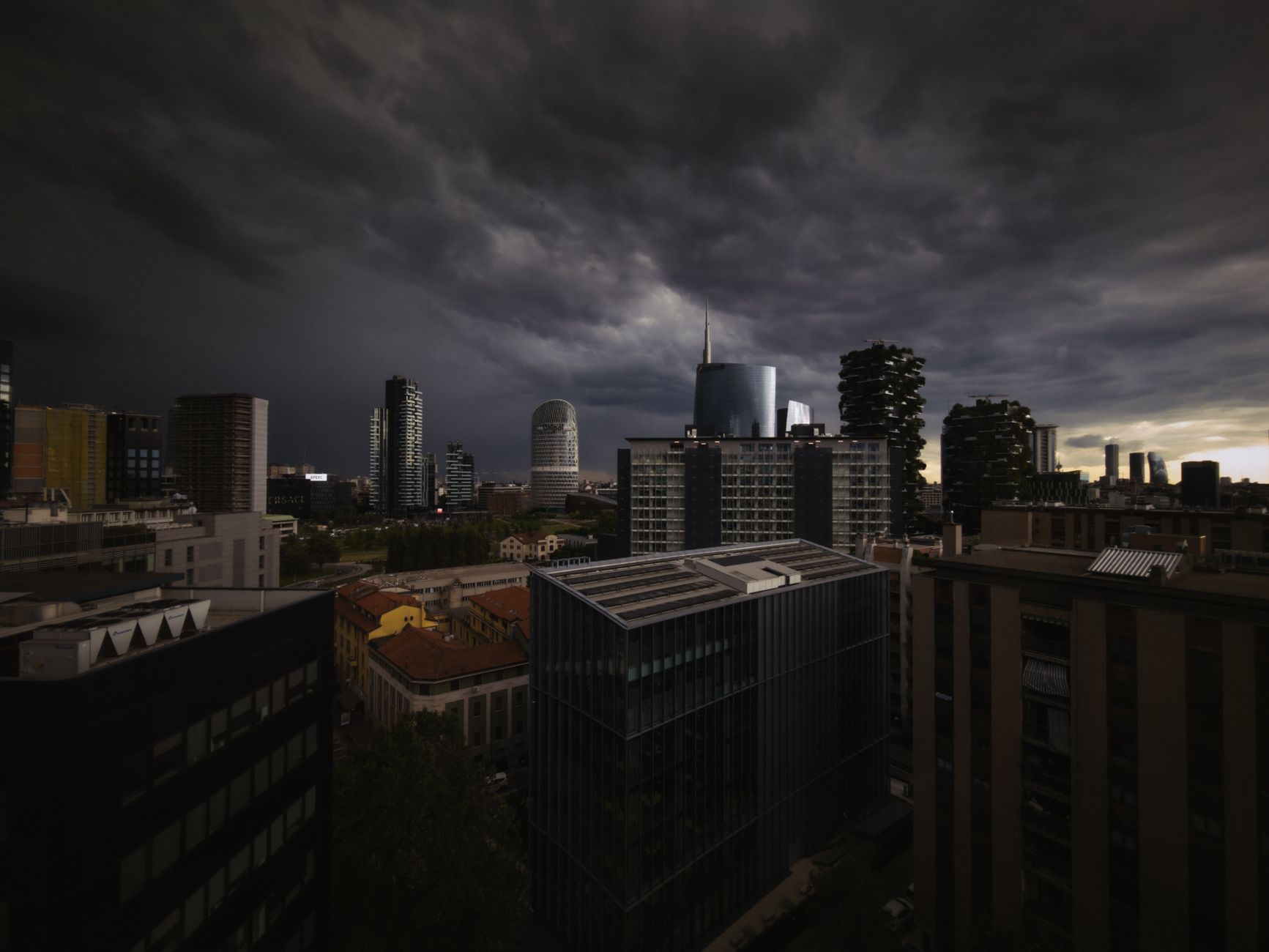
Green spaces tell another story. Milan's commitment to planting 3 million trees by 2030—the "Bosco Verticale" (Vertical Forest) movement—offers a distinctive approach absent in peer cities. These mixed-use residential towers with integrated vegetation have inspired similar projects in Copenhagen and Paris, positioning Milan as an innovator rather than merely a follower.
Energy consumption presents harder challenges. While Amsterdam sources 50% of electricity from renewables, Milan relies on aging regional grids still dependent on gas. The city's 2026 budget allocates 180 million euros to solar panel subsidies and district heating upgrades—substantial, yet experts suggest inadequate given the scale needed.
"Milan is no longer the laggard it was five years ago," notes the recent European Commission urban sustainability ranking. Still, catching pace-setting cities requires accelerated action. The coming three years will determine whether Milan's green ambitions prove transformative or merely performative.
This article was compiled by AI from the sources linked above and screened before publishing. See our editorial standards.