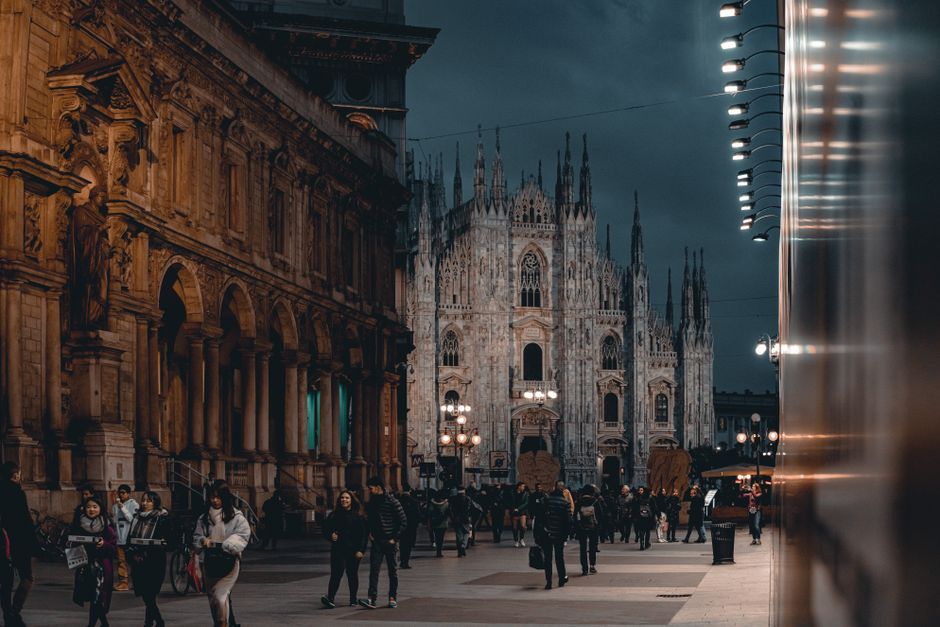
Walking through the Navigli district on a Saturday evening, the polyglot murmur of conversations—Italian, Mandarin, Arabic, Spanish—feels as native to Milan as the Duomo itself. Yet this multicultural tapestry is the product of seven decades of deliberate policy, economic necessity, and demographic shifts that few residents fully understand.
Milan's migration story begins not in recent years but in the 1950s, when postwar reconstruction demanded labour that Italy itself could not supply. Early arrivals came from southern Italy and the Balkans, settling in working-class neighbourhoods like Crescenzago and Lambrate. By the 1970s, as manufacturing boomed and Milan became the engine of the Italian economy, the city actively recruited from North Africa and the Levant. Official records show that by 1981, nearly 45,000 foreign-born residents lived in Milan—then considered a remarkable figure.
The real transformation accelerated after the 1990s. EU expansion, globalisation, and Milan's rise as a financial and fashion capital created unprecedented demand for both skilled professionals and service workers. Immigration offices in Via Lazzaretto processed increasing numbers of work permits. Between 2000 and 2010 alone, Milan's foreign-born population nearly tripled, reaching approximately 230,000 residents. Today, around 18 percent of the city's 1.3 million inhabitants were born abroad.
What distinguishes Milan from other European cities is less the raw numbers than the residential integration. Unlike Paris or London, where immigrant communities often cluster in peripheral suburbs, Milan's migrants distributed across the city. The Isola neighbourhood transformed from a declining industrial zone into a vibrant hub; Via Sarpi in Chinatown became one of Europe's most densely packed Asian commercial districts; areas around the Central Station absorbed waves of Eastern European migrants seeking service-sector work.
Yet integration has come with friction. Housing pressures intensified: rental prices in central neighbourhoods jumped 40 percent between 2010 and 2020, pricing out both Italian working-class families and newly arrived migrants. Language barriers persist. Employment discrimination remains documented and pervasive, particularly for North African and Sub-Saharan workers competing for jobs.
Understanding Milan's present requires recognising this historical arc. The city's current migration realities—its thriving immigrant entrepreneurship in areas like San Gottardo, its ongoing housing crises, its struggles with second-generation integration—all stem from policy decisions made decades ago when Milanese industry needed workers and had few ethical or legal constraints on where to find them.
Today's debates about migration cannot be separated from this legacy of economic dependence and calculated recruitment.
This article was compiled by AI from the sources linked above and screened before publishing. See our editorial standards.