How Milan's Transport Crisis Led Us Here: Two Decades of Delays and the Current Push for Change
The city's aging metro system and congested arterial roads trace their problems back to political gridlock and competing visions—now forcing a reckoning.
The city's aging metro system and congested arterial roads trace their problems back to political gridlock and competing visions—now forcing a reckoning.
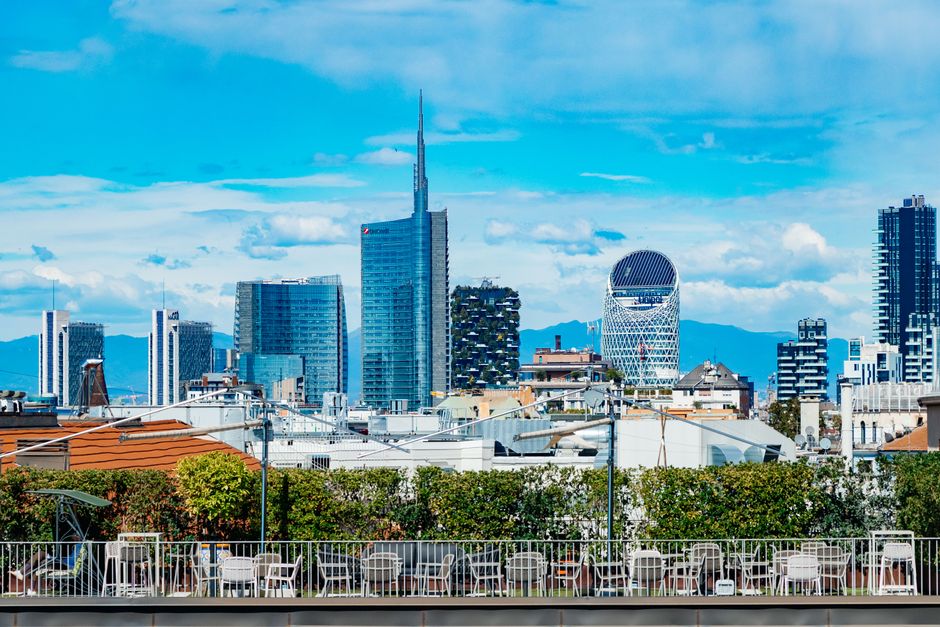
When the M4 metro line finally opened to Linate Airport in 2024, Milan's transport authorities celebrated what should have arrived a decade earlier. The delay, however, encapsulates a larger story: how the Lombard capital became trapped between ambition and bureaucratic paralysis, and why 2026 marks an inflection point for its infrastructure future.
The roots run deep. When the city's three original metro lines—the Red, Green, and Yellow—were completed between 1964 and 1990, Milan was consolidating its role as Europe's financial hub. But since then, growth in commuter catchment has vastly outpaced investment in transit capacity. The metropolitan area now encompasses 4.3 million people across the wider region, yet the core system carries roughly the same passenger volume as it did in 2000.
Nowhere is this more visible than on Corso Buenos Aires and Viale Monza, where surface traffic bottlenecks persist despite multiple feasibility studies. Congestion costs the city economy an estimated €850 million annually in lost productivity, according to research by the Chamber of Commerce. The Navigli district, once envisioned as a rejuvenated commercial corridor after canal restoration began in 2015, remains disconnected from efficient transit links—a reality that has frustrated local businesses and residents alike.
Political fragmentation worsened these problems. Between 2009 and 2020, Milan cycled through four mayors and saw five different administrations at regional level. Each brought different priorities. The proposed extensions to the M5 purple line toward Monza languished in planning committees. The Passante di Mestre highway project—meant to relieve pressure on urban routes—became mired in environmental reviews.
What shifted the momentum was incremental but decisive: European funding mechanisms changed. The €1.2 billion secured through EU recovery funds after 2021 created unprecedented fiscal space. Additionally, the city's application for the 2026 Winter Olympics (which it co-hosted with Cortina) forced acceleration on dormant projects. Lines needed upgrading; connections demanded completion.
The current cycle of projects—from the M4 extension toward the Civic Arena, to renewed focus on cycling infrastructure in Navigli and around Parco Sempione—represents not sudden vision but the collision of long-deferred need with finally available resources. Citizens waiting for trains on crowded platforms at Centrale station, or sitting in traffic on Via Torino, are experiencing the consequences of that two-decade lag.
Understanding where we are requires knowing how long we've been stuck.
This article was compiled by AI from the sources linked above and screened before publishing. See our editorial standards.
How does this story make you feel?
Spread the word
About this article
Published by The Daily Milan
Daily brief
Free, in your inbox before 7am. Weekdays.
More in News