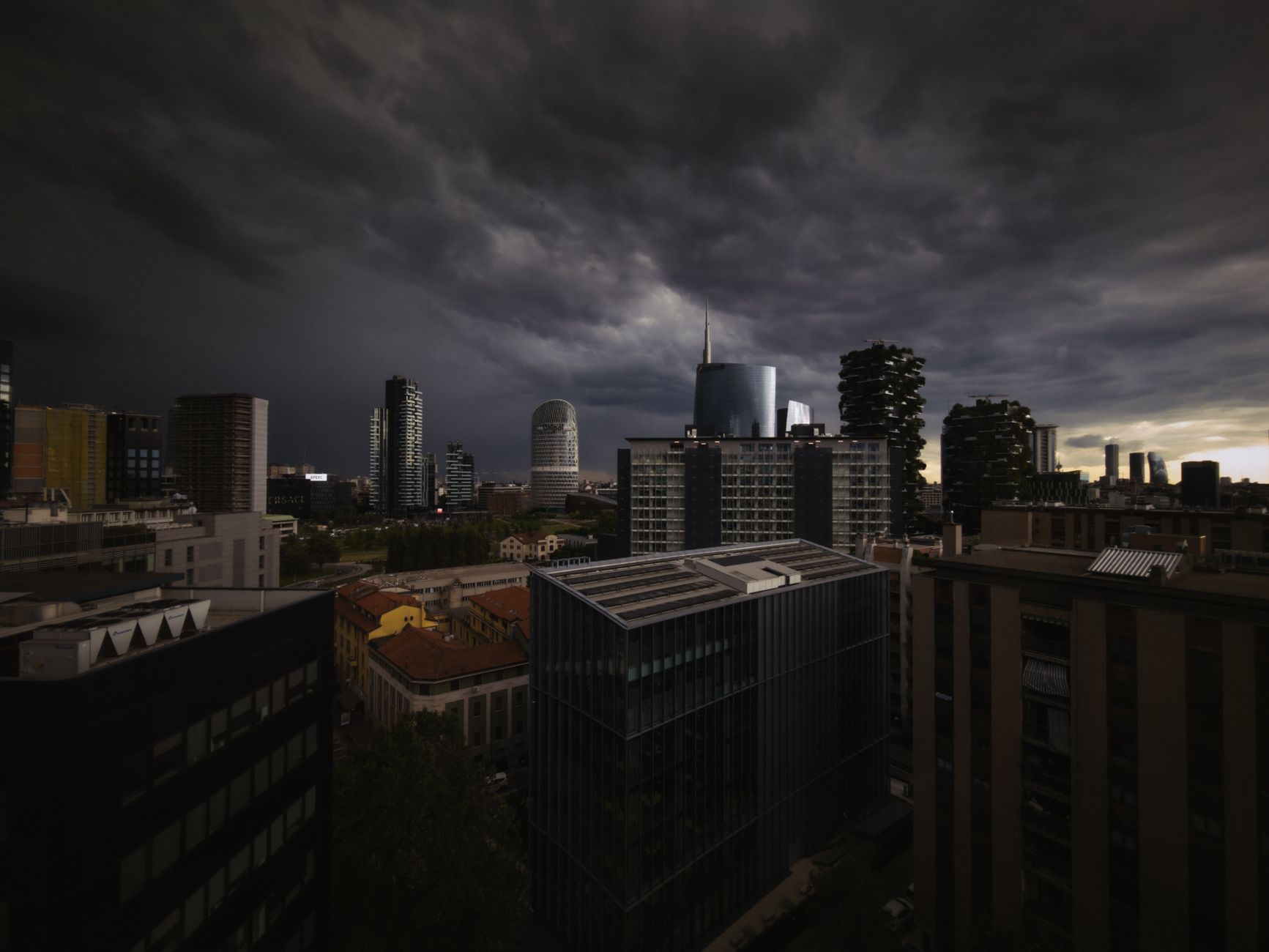
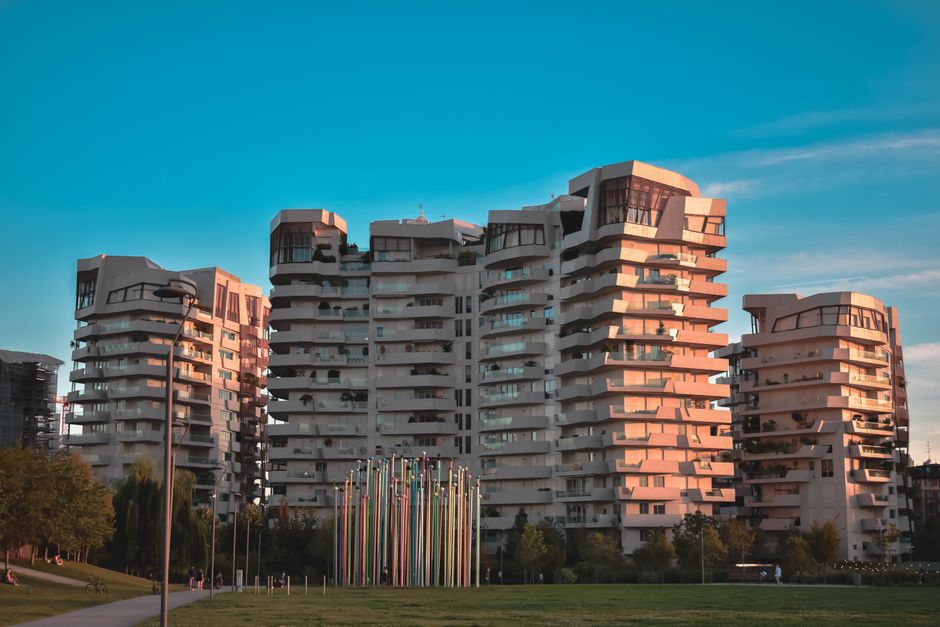
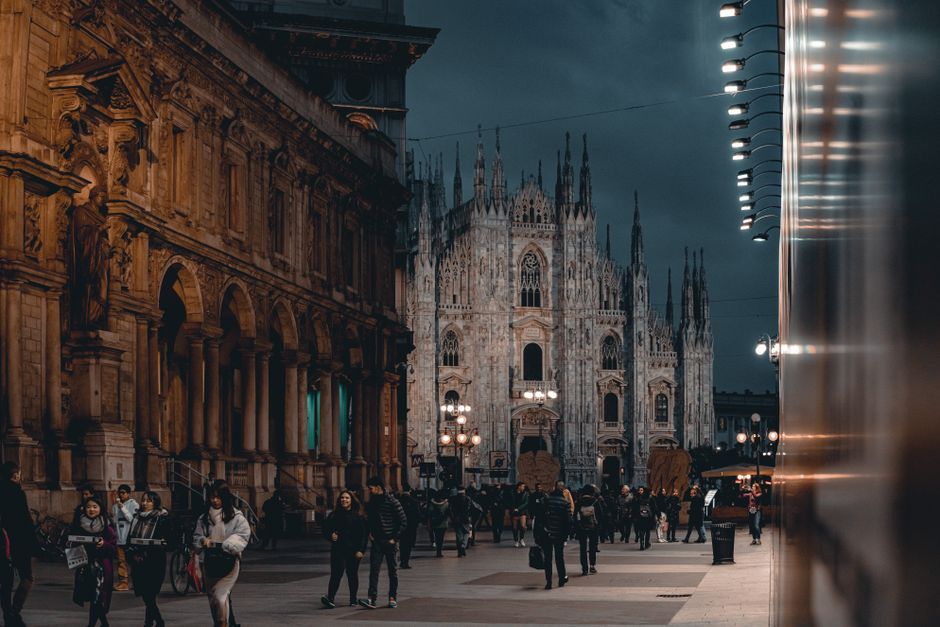
Milan's city council voted narrowly last week to impose a six-month freeze on new residential development permits across several central districts, a decision that has sent shockwaves through the rental market and left thousands of residents wondering whether they'll be priced out of their own neighbourhoods.
The moratorium, which took effect immediately in Zona 1 (the historic centre), parts of Navigli, and stretches of Porta Romana, aims to force a reassessment of housing policy before another tower of luxury apartments rises along Via Torino or Corso Como. Average rents in Milan have climbed 23 percent since 2023, with one-bedroom flats in Brera now commanding €1,200 monthly—a figure that has pushed mid-income families toward the periphery.
Supporters argue the pause is overdue. "We need breathing room," said the municipal housing committee in a statement, pointing to data showing that 68 percent of new units built in the past three years fall into the luxury category. Social housing completions have stalled at just 4 percent of total residential output, leaving families on the city's waiting list—now exceeding 12,000—with few options.
But developers and business groups warn the freeze could backfire. Construction workers' unions fear job losses, while property owners worry that restricting supply will only push prices higher. Some analysts note that Milano's population has stabilised at around 1.3 million residents, yet housing stock growth hasn't kept pace with demand from young professionals and families relocating from other Italian cities.
The freeze notably excludes regeneration projects in industrial zones like Lambrate and Greco-Breda, where the city is betting on mixed-income development to ease pressure on central neighbourhoods. Two major conversion schemes—one involving a shuttered textile factory near Corso Buenos Aires, another in the former rail yards near Porta Romana—are exempt and moving forward.
For residents, the immediate impact is mixed. Those seeking to move within Milan face a tightening market; those already settled may see property values stabilise or appreciate. Community organisers in neighbourhoods like Isola and Bovisa, where gentrification has displaced long-term residents, view the moratorium as a first step toward protecting working-class districts.
The council has promised a comprehensive housing strategy by year's end, including incentives for developers who build affordable units and tighter restrictions on short-term tourist rentals—a practice that has drained the long-term rental supply. Whether Milan can thread this needle between affordability and growth remains the city's defining challenge heading into 2027.
This article was compiled by AI from the sources linked above and screened before publishing. See our editorial standards.