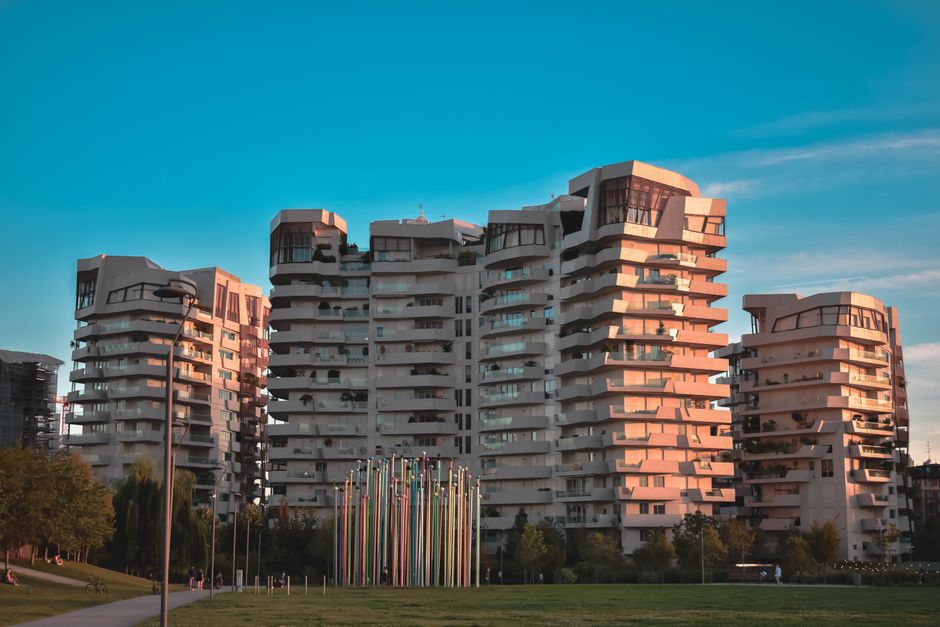
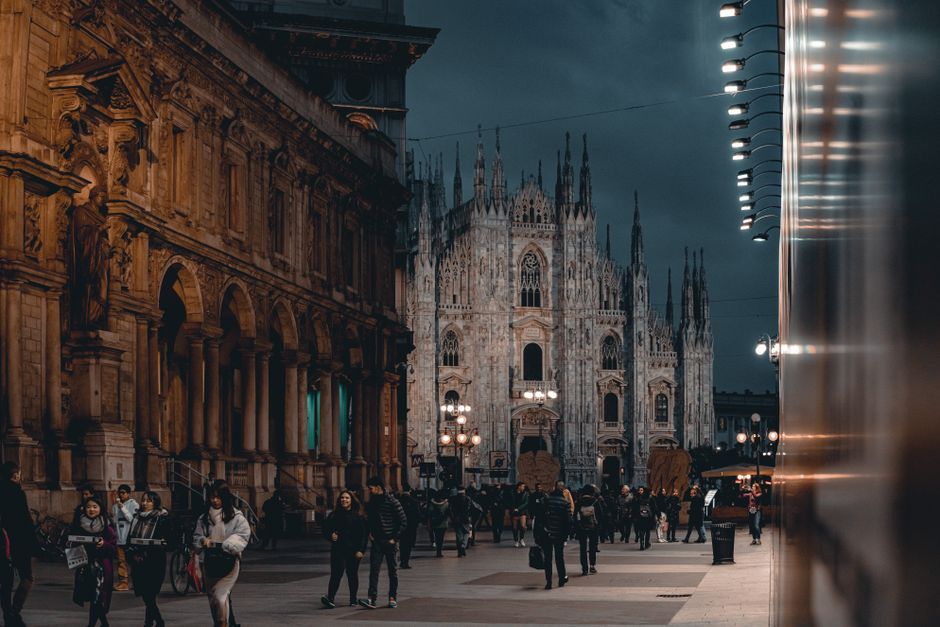
Walk through the Navigli district on any evening and you'll notice something shifting. Groups of neighbours gather at Piazza di Porta Ticinese, sharing information about street lighting improvements, local crime patterns, and community events. What began eighteen months ago as informal WhatsApp conversations has evolved into something far more significant: a decentralized network of neighbourhood watch groups that now spans 47 Milan districts, fundamentally changing how residents experience safety and belonging in Europe's fashion capital.
The movement gained momentum after residents in Brera and Porta Venezia grew frustrated with response times to break-ins and package thefts. Rather than waiting for institutional solutions, they organized. Today, groups like "Occhio Vigile Garibaldi" and "Navigli Sicuri" operate independently but with growing coordination. They've documented that street lighting on Via Torino remains inadequate, that Parco Sempione needs better evening visibility, and that simple communication prevents far more crime than security cameras alone.
What makes this movement matter—genuinely—is how it's rebuilt social fabric that post-pandemic Milan had lost. Residents who moved here five years ago finally know their neighbours. Elderly residents in Maggiolina report feeling less isolated. Local business owners, from the shopkeepers around Corso Como to café owners near Centrale, say crime reporting has improved because they now have direct community contacts rather than navigating bureaucracy.
The data reflects this. Milan's Comune reports that neighbourhoods with active watch groups have seen 23% fewer unreported incidents compared to 2024 figures, because people now actually tell each other what's happening. Property theft in Città Studi dropped 18% year-on-year. But beyond statistics, residents describe something harder to quantify: the simple reassurance of visibility, of being known.
Not everyone celebrates. Critics worry about vigilantism or inequality—some central neighbourhoods like San Babila have better-resourced groups than peripheral areas like Affori. The Comune is now exploring how to support these grassroots efforts equitably, though funding remains limited.
Yet the message is clear. In a city where rent averages €1,200 monthly for a one-bedroom apartment and neighbourhoods can feel transactional, residents are choosing something different. They're choosing each other. Milan's watch networks aren't about fortification or fear. They're about recognition—that safety emerges when neighbours actually know who lives around them, when communities communicate, and when residents invest in the places they call home.
That shift, from isolation to interconnection, is what truly reshapes a city.
This article was compiled by AI from the sources linked above and screened before publishing. See our editorial standards.