Moving to Milan This Week? Here's What Changed in the City's Housing and Transport Scene
Fresh arrivals to Italy's financial capital face tighter rental markets and transit upgrades—here's what newcomers need to know about relocating right now.
Fresh arrivals to Italy's financial capital face tighter rental markets and transit upgrades—here's what newcomers need to know about relocating right now.
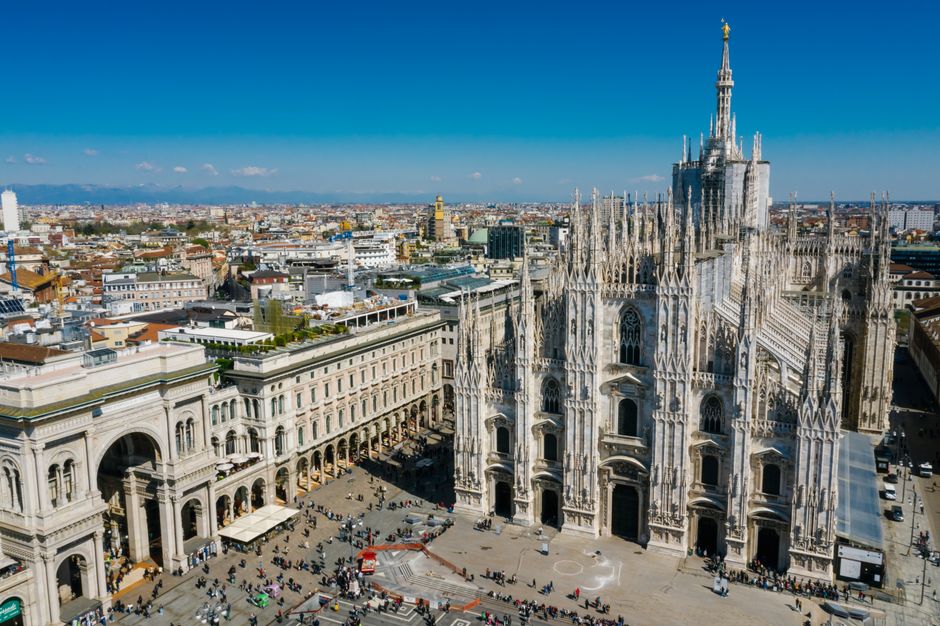
Milan's property market continues its upward trajectory as June draws to a close, with average rental prices in prime neighbourhoods like Brera and Navigli now exceeding €18 per square metre monthly—a 7% increase from last year. For newcomers scouting apartments this week, real estate agents across the city report heightened competition, particularly in accessible areas near the Duomo and around Corso Como, where short-term leases are commanding premium rates.
The timing of your move matters. Milan's ATM transport authority announced expanded metro service on the M4 line this month, extending operational hours for late-night commuters. The line, which connects the south-western suburbs to the city centre, now runs until 1 a.m. on weekends—a welcome development for those considering neighbourhoods like San Cristoforo or Porta Romana, where housing costs remain 15-20% lower than central districts.
Beyond logistics, the city's newcomer community continues to expand. Local integration services through organisations like the Comune di Milano's immigration office on Via Larga have reported record footfall, with first-time residents registering residency requirements and accessing healthcare information. The city's diverse expatriate hubs—from the banking professionals clustered around the Garibaldi-Repubblica district to creatives in Isola—remain vibrant entry points for networking and settling in.
For job-seeking relocators, Milan's financial sector remains the primary draw, with major employers in the Porta Nuova business district and along Via Montenapoleone. Tech start-ups continue expanding in former industrial zones like Zona Tortona, where cheaper office space has catalysed a growing ecosystem of venture-backed companies.
Practical advice for this week: secure housing fast. The rental window between late June and mid-July traditionally sees fierce competition as summer internships bring seasonal workers. Budget €1,200-€1,600 monthly for a one-bedroom apartment in accessible neighbourhoods; expect €800-€1,100 in outer areas like Certosa or Quarto Oggiaro, which have improved metro connectivity.
Language barriers remain minimal in Milan's international business circles, but basic Italian proficiency smooths interactions with landlords and administrative offices. The city's English-speaking communities thrive in central zones, though exploring neighbourhood gems—trattorias on Via Torino, vintage shops in Navigli—rewards those willing to venture beyond tourist corridors.
Milan rewards preparedness. Start your residency registration immediately upon arrival; connect with local expat groups online; and explore beyond the Duomo. The city's real estate and transit developments this month signal continued growth—making now an opportune moment to arrive, despite market tightness.
This article was compiled by AI from the sources linked above and screened before publishing. See our editorial standards.
How does this story make you feel?
Spread the word
About this article
Published by The Daily Milan
Daily brief
Free, in your inbox before 7am. Weekdays.
More in News