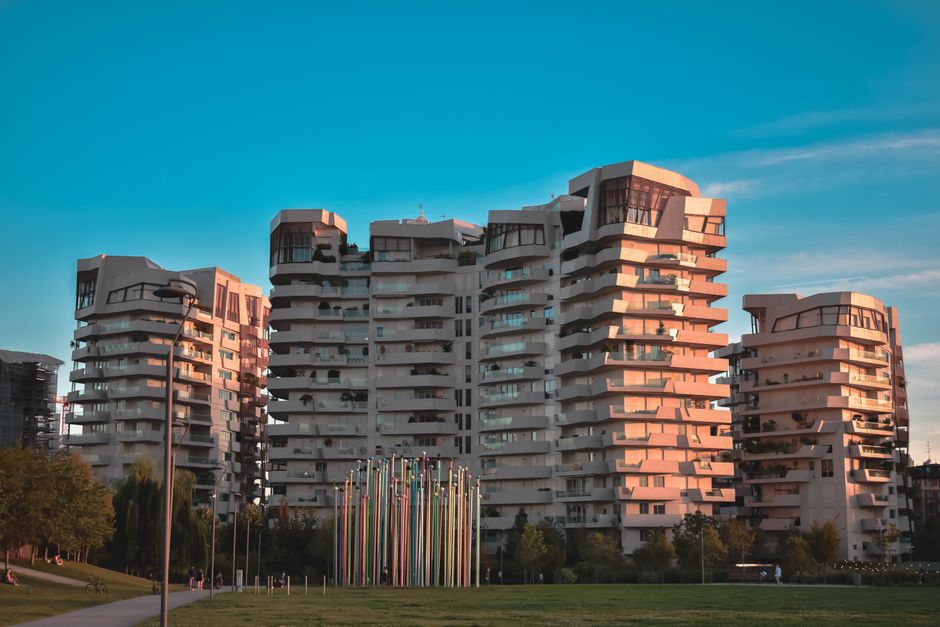
Milan faces a housing affordability crisis that rivals Europe's most expensive cities, yet the Lombardy capital's policy response remains fragmented compared to decisive action taken in Berlin, Vienna, and Amsterdam.
Average rents in central Milan have surged 40 percent over the past five years, with two-bedroom apartments in Brera now commanding €1,800 monthly—comparable to prices in Vienna but without the city's robust rent-control framework. The Navigli district tells a similar story: what were once affordable bohemian quarters have transformed into luxury zones, displacing artists and young professionals.
Unlike Vienna, which maintains strict rent regulations capping annual increases at 5 percent and reserves 60 percent of new housing as social units, Milan's municipal administration has relied primarily on voluntary developer agreements and modest incentive schemes. The Comune's recent "Milano Housing" initiative offers tax breaks to developers building mixed-income residential projects, but critics argue the incentives remain insufficient to counterbalance speculation-driven development.
Berlin's approach presents another contrast. Germany's largest city introduced strict rent controls in 2020, freezing prices at 2015 levels for five years—a measure that sparked debate but provided immediate relief. Milan's administration has steered away from such interventions, fearing they might discourage investment in the already tight rental market. Instead, it emphasizes long-term supply expansion through brownfield regeneration projects around Porta Garibaldi and the Navigli waterfront.
Amsterdam offers a middle path Milan appears to be cautiously exploring. The Dutch capital maintains a substantial municipally-owned housing stock—approximately 40 percent of all homes—and requires developers to include affordable units in new projects. Milan currently controls roughly 8 percent of the city's housing stock through municipal companies, though recent initiatives aim to increase public land acquisition.
The divergence reflects broader policy philosophies. Vienna and Amsterdam view housing as a social right requiring state intervention; Berlin attempted decisive rent controls; Milan has adopted a market-friendly approach emphasizing density and mixed-income development.
Yet Milan's housing pressure intensifies. University students, service workers, and young families struggle to secure affordable lodgings. The Politecnico di Milano reports increasing numbers of enrolled students unable to find housing within commutable distance, while hospitality workers—essential to the city's tourism economy—increasingly live in peripheral communes like Corsico and Rho.
As Milan pursues its strategy of regulated market incentives rather than stringent rent controls, the results remain to be seen. By 2027, planners expect 15,000 new units across mixed-income developments. Whether that volume proves sufficient, and whether affordability provisions will genuinely serve residents rather than gentrification interests, remains uncertain—a question other European capitals have grappled with far more aggressively.
This article was compiled by AI from the sources linked above and screened before publishing. See our editorial standards.