Milan's Green Revolution by the Numbers: What the Data Reveals About Europe's Sustainability Leader
Behind Milan's environmental ambitions lie concrete figures that tell the story of a city racing to meet 2030 climate targets.
Behind Milan's environmental ambitions lie concrete figures that tell the story of a city racing to meet 2030 climate targets.
Milan's transformation into a sustainability powerhouse rests not on rhetoric but on measurable progress tracked across dozens of environmental metrics. With six months left in 2026, the city's data tells a compelling story about where Europe's fashion capital stands in its race toward carbon neutrality.
The numbers are substantial. According to the latest municipal sustainability report released this month, Milan has reduced its CO2 emissions by 28 percent since 2005—well ahead of the EU's 55 percent reduction target by 2030. The city's car-dependent neighbourhoods like Porta Romana and Lambrate have seen a 34 percent decline in private vehicle traffic over the past three years, driven by an expanded metro system that now carries 1.8 million passengers daily, up from 1.4 million in 2022.
Investment figures underscore the commitment. The city council has allocated €2.4 billion toward green infrastructure through 2030, with €890 million already spent on expanding the ATM public transport network and cycling lanes. Milan now boasts 380 kilometres of dedicated bike paths—triple the length available in 2015—a transformation particularly visible in the Navigli district, where cycle infrastructure has boosted foot traffic by 41 percent in local businesses.
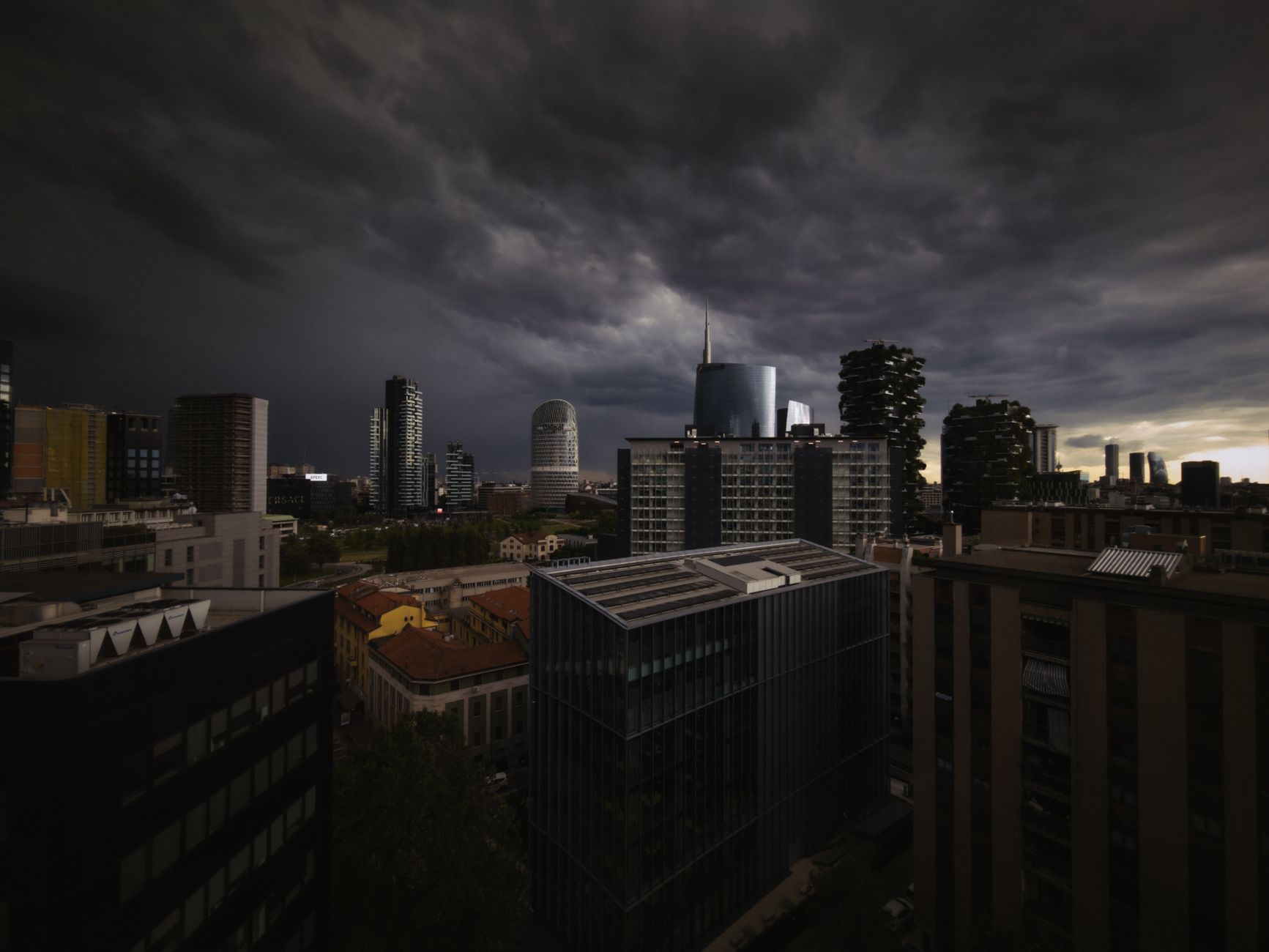
The urban forest initiative provides another data snapshot. Milan planted 180,000 trees between 2020 and 2025, with a target of 500,000 by 2030. The Bosco Verticale and surrounding green regeneration projects in Porta Nuova have increased the city's canopy coverage from 4.2 percent to 6.8 percent of total surface area, offsetting approximately 12,500 tonnes of CO2 annually.
Building renovation tells an equally telling story. Energy efficiency upgrades in residential properties across neighbourhoods like Brera and San Babila have reduced household energy consumption by an average of 31 percent, translating to savings of €450 per household annually. Meanwhile, renewable energy adoption in commercial districts has grown to account for 22 percent of the city's total electricity consumption, up from just 5 percent in 2020.
Waste management metrics reveal progress with friction points. Separate waste collection now reaches 69 percent citywide—approaching the EU's 80 percent target—though disparities persist between affluent central zones and peripheral neighbourhoods where collection rates hover at 54 percent.
These figures matter because they move Milan's sustainability agenda beyond aspirational declarations into measurable accountability. As the city edges toward its 2030 carbon-neutral deadline, data transparency becomes essential for residents and investors alike to assess whether Milan is genuinely delivering on its green promises.
This article was compiled by AI from the sources linked above and screened before publishing. See our editorial standards.
How does this story make you feel?
Spread the word
About this article
Published by The Daily Milan
Daily brief
Free, in your inbox before 7am. Weekdays.
More in News