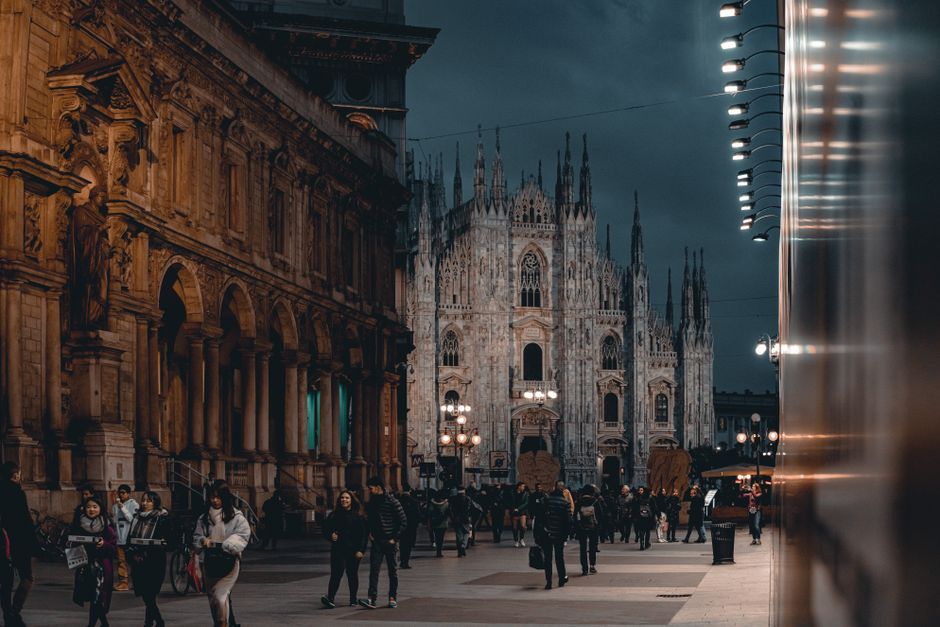
The narrow cobblestone streets of Brera are bustling again this summer, but beneath the tourist foot traffic lies a deeper question that has animated neighbourhood associations across Milan: what happens to these historic districts when demand for space far outpaces supply?
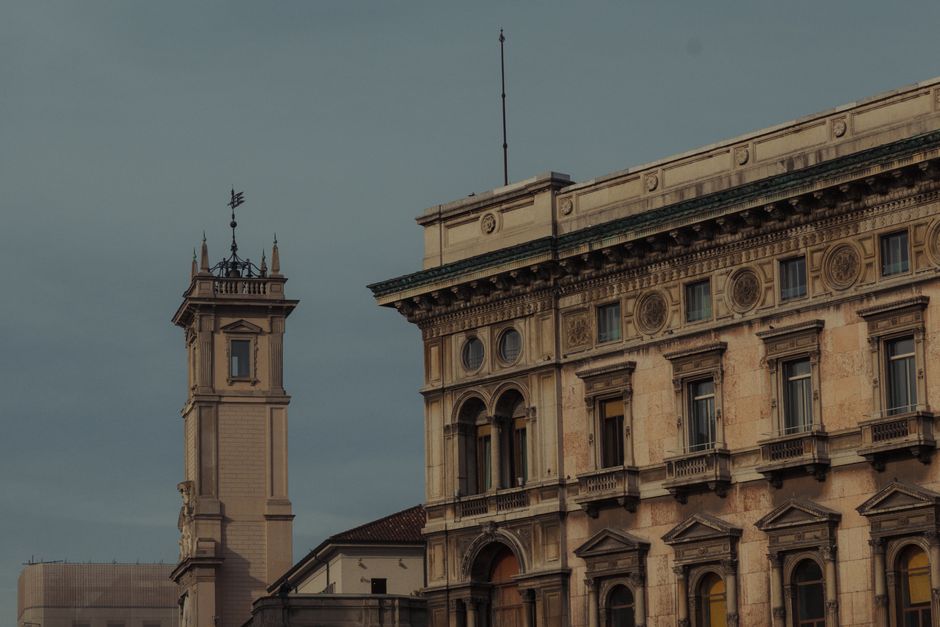
The issue came into sharp focus last month when the city council unveiled preliminary zoning proposals affecting several central districts, including Navigli, Isola, and parts of Porta Venezia. The framework, set for formal review in October, would permit selective renovation and limited new construction in buildings over 50 years old—potentially unlocking millions in property value while threatening the character that drew residents here in the first place.
"We're at a crossroads," says Marco Belloni, coordinator of the Navigli Residents' Association. "In the next eighteen months, families and small business owners need to decide: do they upgrade their properties now, before regulations tighten? Do they sell to developers? Or do they hold on?"
The numbers are sobering. Average rents in central Brera have climbed 28 percent since 2021, now averaging €1,200 monthly for a one-bedroom apartment. Property prices in Isola, once Milan's undiscovered bohemian pocket, have nearly doubled. Meanwhile, vacancy rates remain under 3 percent across central districts—suggesting demand will only intensify.
Three competing visions are now on the table. City planners favour modernisation that preserves facade aesthetics; heritage groups advocate stronger protections for internal courtyards and period details; property owners push for looser restrictions to justify renovation investment. Each choice carries consequences. Aggressive renovation could displace long-time residents and local shops. Too-strict preservation might leave buildings deteriorating, their owners unable to afford upkeep.
The Fondazione Amilcare Ponchielli, which monitors Milan's urban evolution, has scheduled a public forum for mid-July at the Biblioteca Sormani on Via Francesco Sorti to walk residents through the proposals. Several neighbourhood associations are preparing formal responses to submit before the October deadline.
For Maria Rossi, who runs a small ceramics studio in Porta Venezia inherited from her mother, the timeline feels impossibly tight. "I need to know if my rent will double, if my landlord will sell to a developer, if the zoning changes make my business non-conforming," she explains. "These decisions aren't abstract—they're about whether families like mine stay in Milan."
The city has committed to a final decision by March 2027, but crucial groundwork happens now. Those who engage during public comment periods, attend neighbourhood meetings, and pressure councillors will shape outcomes far more than those who wait passively. For Milan's historic core, what comes next depends entirely on who shows up.
This article was compiled by AI from the sources linked above and screened before publishing. See our editorial standards.