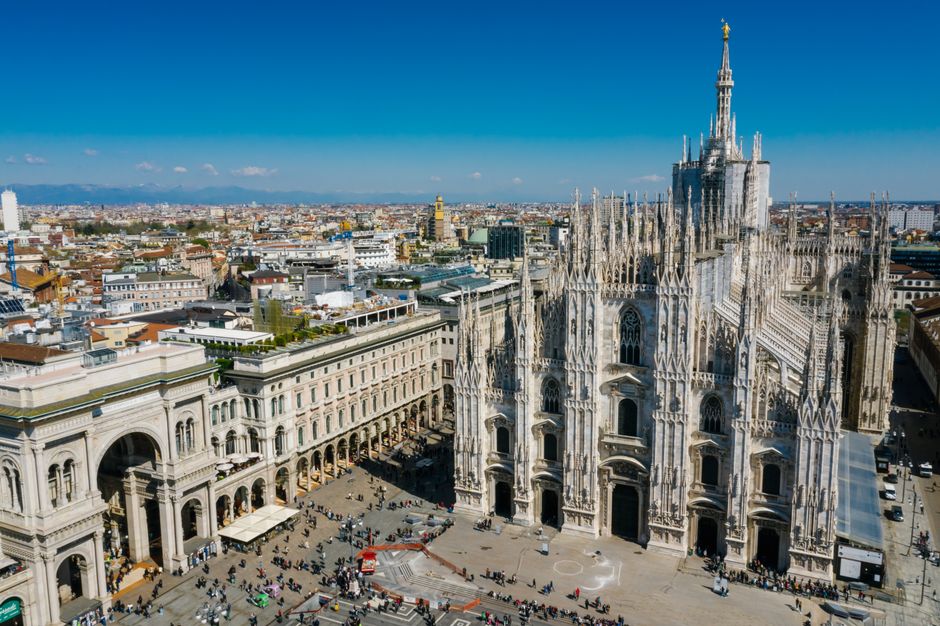
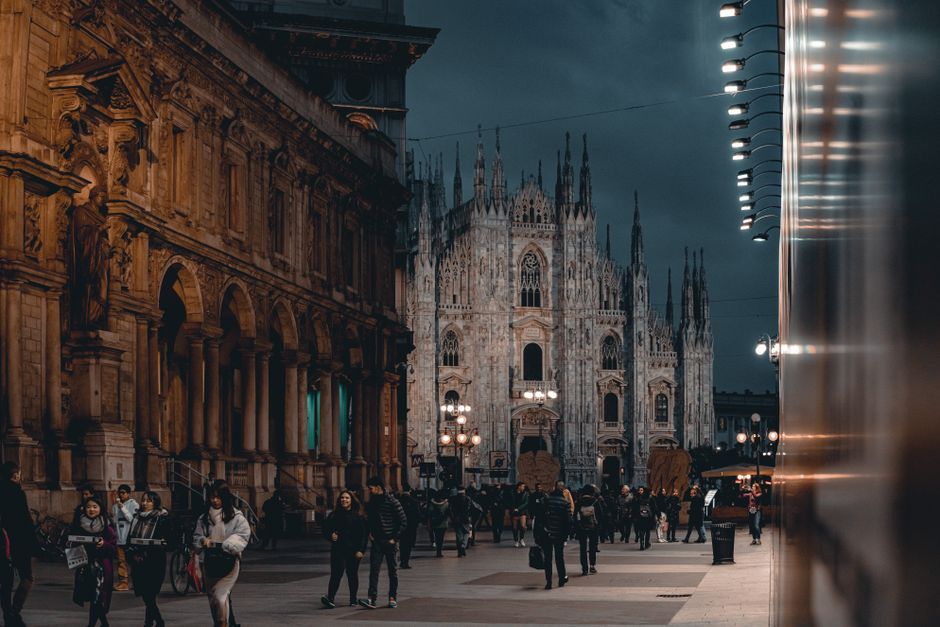
In the winter of 1985, Milan's Duomo disappeared behind a grey veil. Air quality readings hit 180 micrograms per cubic metre—nearly eight times the current EU safety threshold—and respiratory hospitals overflowed. That catastrophic season marked a turning point that would eventually reshape Europe's relationship with urban sustainability.
For decades, Milan's identity was inseparable from industrial ambition. The textile factories of the Navigli district, the automobile plants ringing the city's periphery, and the relentless traffic on Corso Buenos Aires created a reputation that preceded the city across Europe: Milan meant wealth, fashion, and environmental compromise. The Po Valley's infamous winter inversions trapped particulates directly above the city, transforming it into what environmental scientists called a "closed-system pollution trap."
The 1990 World Health Organization report was a watershed moment. It ranked Milan among the world's most polluted cities outside Asia. Local administrators faced a choice: accept decline or embrace radical change. The decision to ban private vehicles from the historic centre—implemented gradually between 1994 and 1997—sparked fierce resistance from business owners and commuters alike. Yet data shows that measure alone reduced particulate emissions by 23 percent over five years.
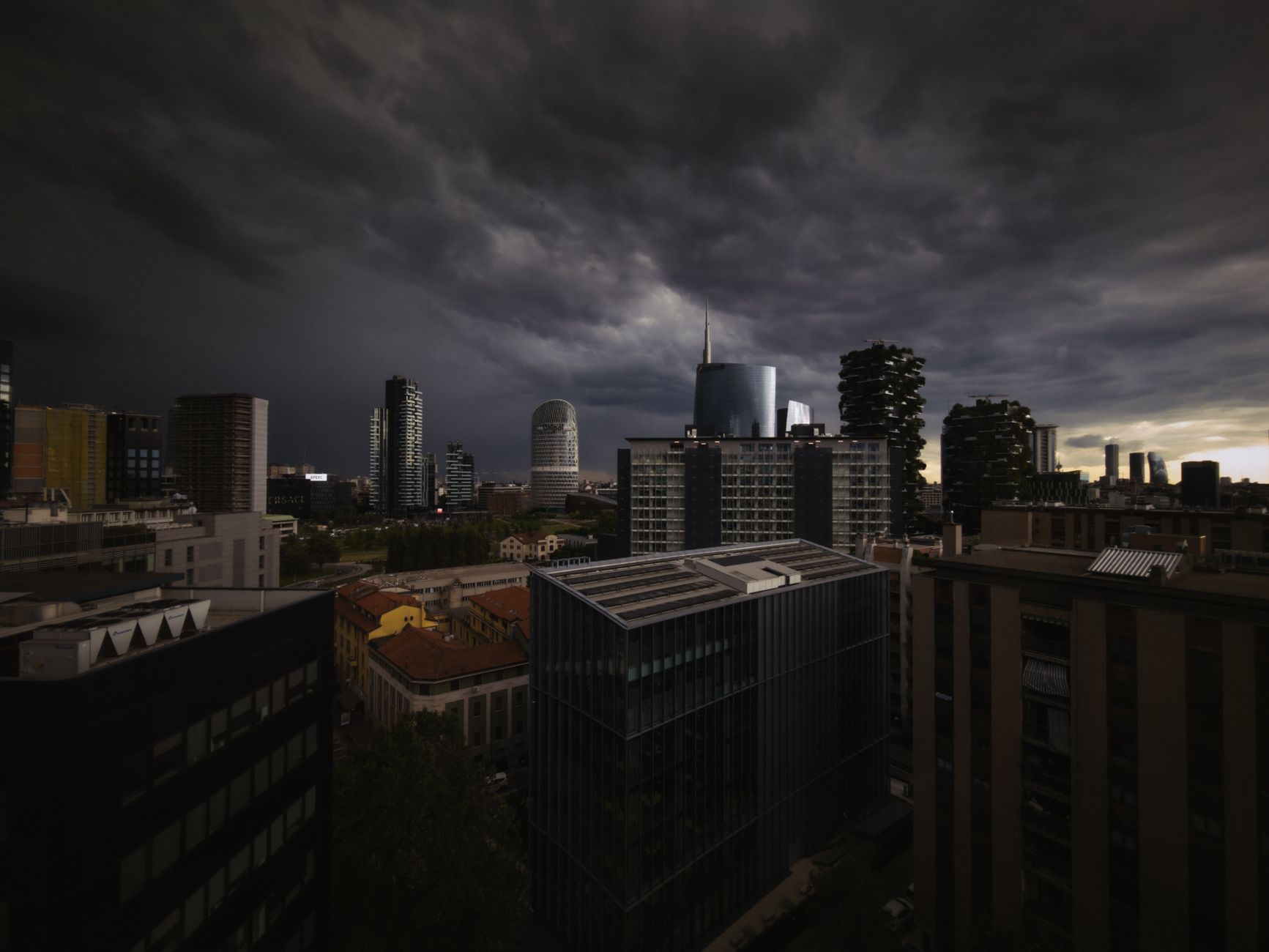
The real transformation accelerated after 2011, when Milan's municipal government committed to the European Green Capital framework. The Bosco Verticale towers, completed in 2014 near Porta Garibaldi, became iconic symbols of this shift: 900 trees integrated into residential architecture, absorbing 44 tonnes of CO2 annually. More importantly, they signalled that sustainability could be profitable.
The Area C congestion pricing system, introduced in 2012, initially charged €5 per entry into the central zone. Revenue reinvestment funded the expansion of Atm's metro network and the creation of 10,000 new cycling kilometres across neighbourhoods like Lambrate and Isola. Milan's bikeshare scheme grew from 4,600 bikes in 2008 to over 13,000 today—the highest per-capita rate in Italy.
Today's air quality readings average 42 micrograms per cubic metre during winter—a 77 percent improvement from 1985. The transformation wasn't painless. Small manufacturers relocated outside the city; commuter patterns shifted; property values in peripheral areas fluctuated. But Milan's sustainability journey offers a lesson for struggling industrial cities worldwide: environmental crisis, properly addressed, can become the catalyst for economic reinvention rather than decline.
This article was compiled by AI from the sources linked above and screened before publishing. See our editorial standards.