How Milan's Housing Crisis Became a Planning Emergency: Tracing Twenty Years of Policy Missteps
From speculative booms to stalled developments, the forces that transformed affordable housing into an urban luxury reveal a city at a crossroads.
From speculative booms to stalled developments, the forces that transformed affordable housing into an urban luxury reveal a city at a crossroads.
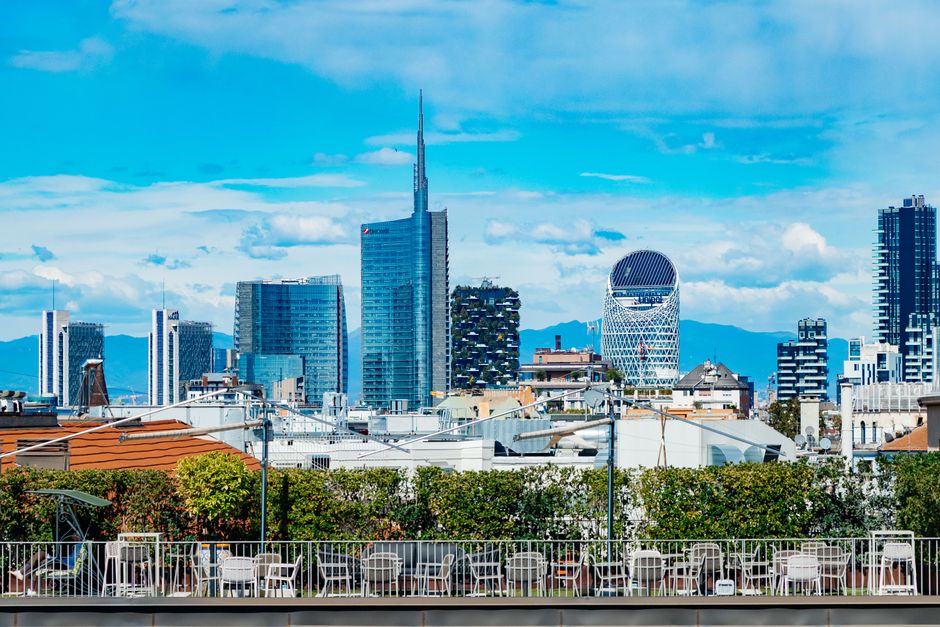
Milan's current housing shortage didn't materialise overnight. It emerged gradually across two decades of policy decisions, market liberalisation, and urban planning choices that have left the Lombard capital facing a crisis that now demands urgent intervention.
The trajectory began in the early 2000s, when Milan's designation as a financial hub accelerated real estate speculation. Property prices in central districts like Brera and Navigli surged from €4,500 per square metre in 2003 to over €12,000 today—a pattern replicated across the inner city. Outer neighbourhoods like Quarto Oggiaro and Affori, traditionally working-class areas accessible to young families, saw similar trajectories, albeit with a lag.
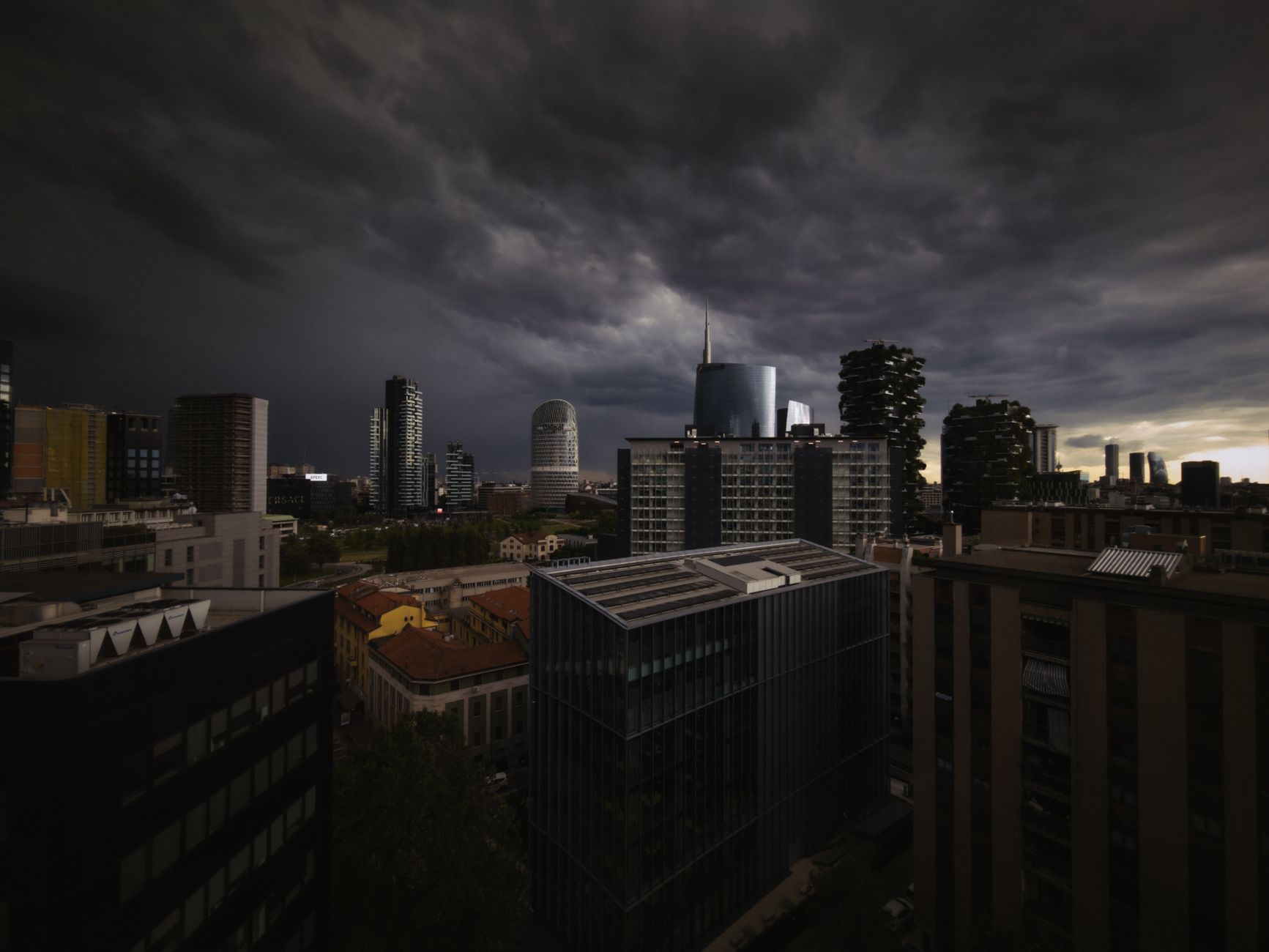
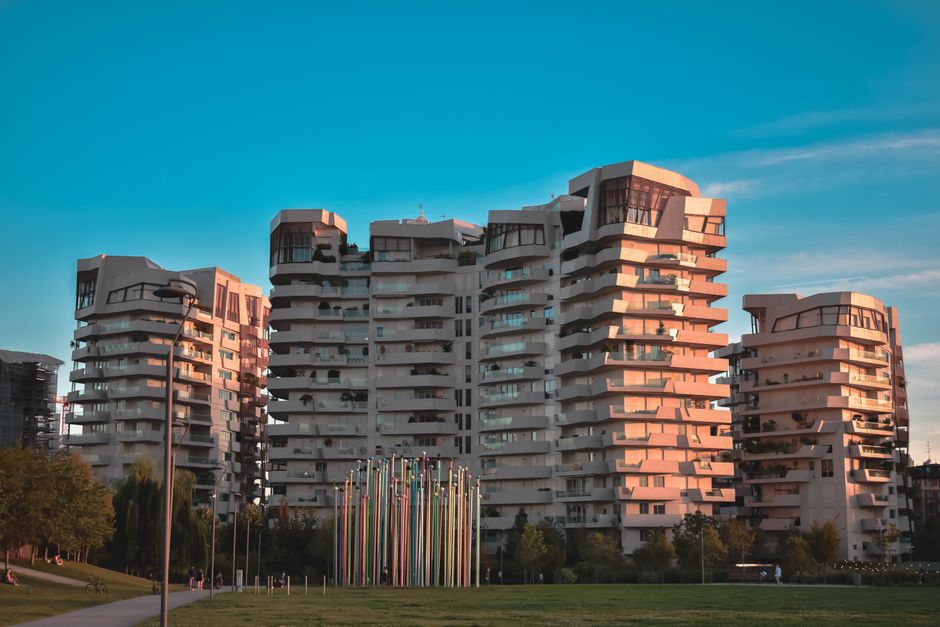
A turning point arrived around 2008. As the global financial crisis struck, Milan's municipal government relaxed building restrictions to stimulate the economy. This opened vast areas of the periphery to development, particularly around the Navigli district and stretches of the Lambro valley. Developers responded eagerly, but projects prioritised luxury units and penthouses over affordable housing stock. The logic was simple: margins were higher on apartments targeting wealthy domestic and international buyers than on standard family homes.
The 2010s compounded these pressures. Milan's successful bid to host Expo 2015 accelerated gentrification around the fairgrounds and surrounding Porta Nuova and Porta Venezia neighbourhoods. Entire apartment blocks were converted to tourist accommodations. Simultaneously, the city's tech boom—with companies clustering around the Garibaldi and Centrale districts—drew young professionals willing to pay premium rents, further inflating market values.
Public housing initiatives, meanwhile, withered. The number of municipally-owned affordable units stagnated while waiting lists grew to over 9,000 families by 2020. A proposed expansion of the social housing programme in the Giambellino neighbourhood faced repeated delays and funding shortfalls. Municipal resources struggled to keep pace with demand.
By 2023, the crisis became undeniable. Average rents in central Milan exceeded €1,400 monthly for a one-bedroom apartment. Families earning €35,000 annually—still above-average for Milan's working population—found themselves spending 45 per cent of income on housing alone. Young professionals migrated to satellite cities like Monza and Como, hollowing out the metropolitan core.
Today's policy debate occurs within this context: decades of market-friendly zoning, insufficient social housing investment, and unchecked speculation have created a fundamentally distorted urban housing market. Milan's administrators now face a choice between continuing previous trajectories or implementing structural interventions—a reality shaped entirely by the city's recent history.
This article was compiled by AI from the sources linked above and screened before publishing. See our editorial standards.
How does this story make you feel?
Spread the word
About this article
Published by The Daily Milan
Daily brief
Free, in your inbox before 7am. Weekdays.
More in News