Milan's Integration Model Shows Promise Against Europe's Migration Challenges
As other European cities struggle with housing and employment for newcomers, Milan's decentralised approach offers lessons—and warnings—for urban centres worldwide.
As other European cities struggle with housing and employment for newcomers, Milan's decentralised approach offers lessons—and warnings—for urban centres worldwide.
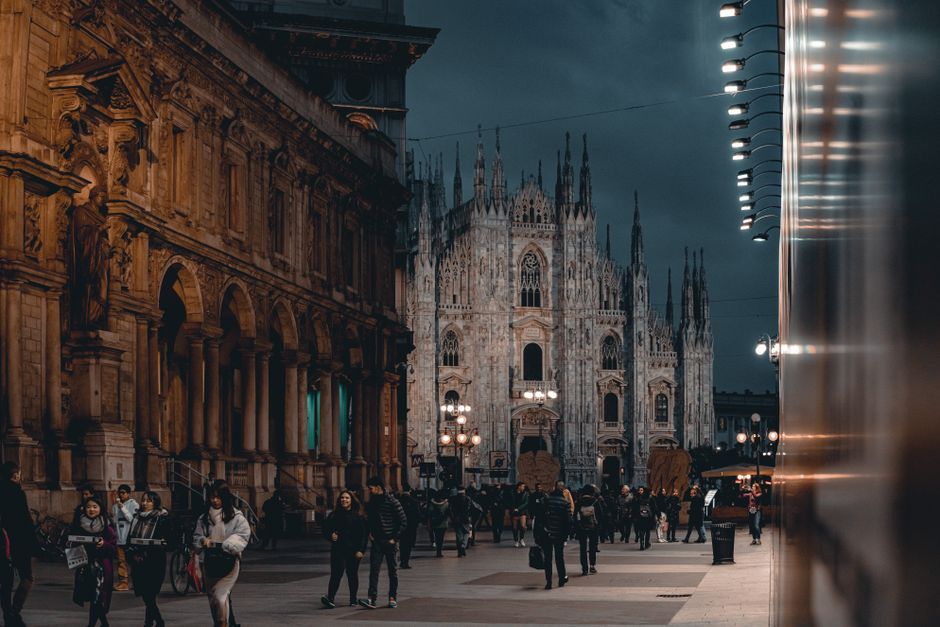
In the shadow of the Duomo, Milan's multicultural fabric continues to stretch and strengthen in ways that set it apart from peers like Berlin, Paris, and Barcelona. While refugee crises dominate headlines across Europe and displacement surges globally—from Venezuela to the Democratic Republic of Congo—Italy's economic powerhouse has quietly developed integration mechanisms that outpace many comparable cities, though significant pressures remain.
Over the past three years, Milan has absorbed approximately 180,000 documented migrants, with the city now home to roughly 320,000 foreign-born residents—about 14% of its 1.3 million population. By comparison, Berlin's migrant population sits at 18% and Paris at 16%. Yet Milan's approach differs markedly. Rather than concentrating newcomers in peripheral zones, the city's strategy spreads settlement across neighbourhoods: the Navigli district hosts both bohemian millennials and recently-arrived families; Greco, traditionally working-class, has become a hub for South Asian entrepreneurs; even Brera, once exclusively wealthy, now reflects genuine diversity in its rental stock.
The city's €45 million annual integration budget—higher per capita than Frankfurt or Amsterdam—funds language programmes through institutions like the Centro Ambrosiano and community centres across Porta Romana and Isola. Employment outcomes tell part of the story: Milan's migrant employment rate stands at 68%, compared to 61% in comparable European cities, according to recent OECD data. Tech startups in the Garibaldi-Repubblica corridor increasingly recruit from immigrant communities, while the catering sector along Via Torino has become nearly synonymous with global talent.
Housing remains the thorniest issue. Milan's average rent of €18 per square metre vastly exceeds salaries available to recent arrivals, forcing informal arrangements and overcrowding in neighbourhoods like Quarto Oggiaro. Here, the disparity between Milan's booming economy and immigrant wages reveals the city's limits—a problem echoing from Toronto to London.
Yet Milan's willingness to invest in grassroots organisations—backing neighbourhood associations that bridge cultures, subsidising childcare for working parents, maintaining open-door university access—contrasts sharply with fortress policies adopted elsewhere. As global displacement accelerates and cities worldwide grapple with integration at scale, Milan demonstrates that decentralisation, sustained investment, and genuine inclusion policies can yield measurable results. Whether this model survives the next political cycle remains an open question.
This article was compiled by AI from the sources linked above and screened before publishing. See our editorial standards.
How does this story make you feel?
Spread the word
About this article
Published by The Daily Milan
Daily brief
Free, in your inbox before 7am. Weekdays.
More in News