How Milan's Housing Crisis Became a Planning Emergency: The Decade That Changed Everything
From soaring rents in Navigli to frozen development zones in Lambrate, the decisions of the past ten years have reshaped the city's real estate landscape.
From soaring rents in Navigli to frozen development zones in Lambrate, the decisions of the past ten years have reshaped the city's real estate landscape.
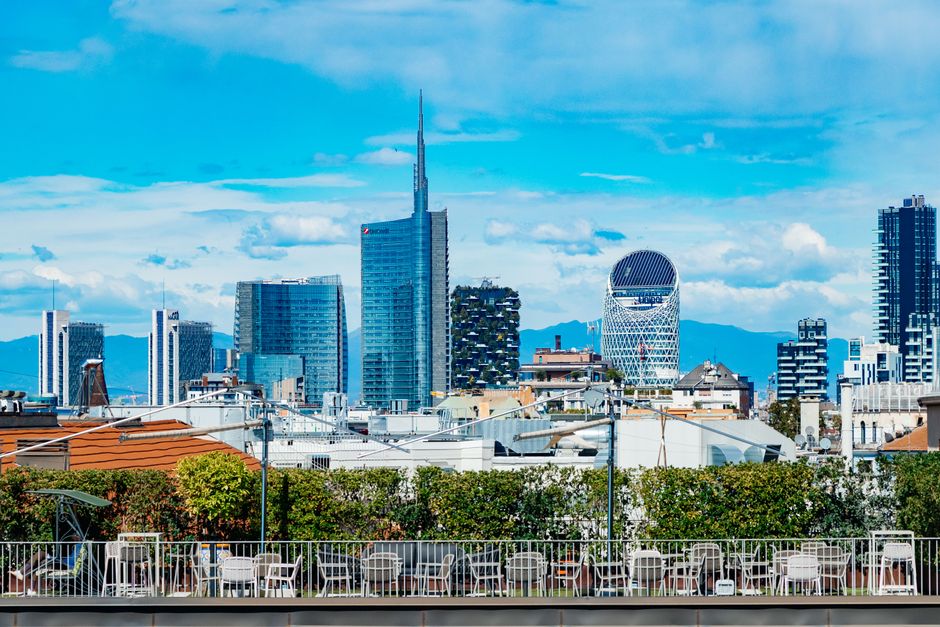
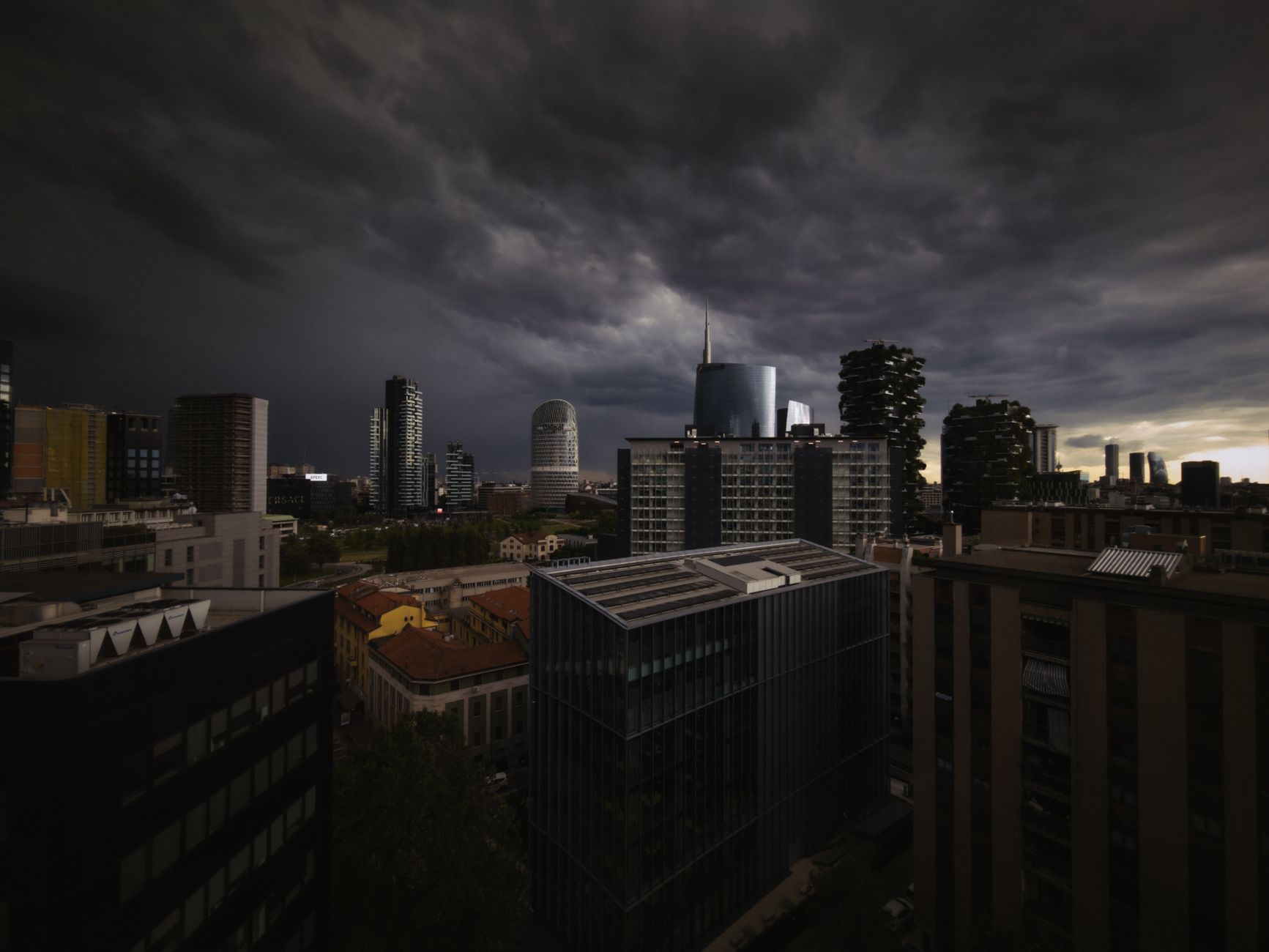
Milan's current housing squeeze didn't arrive overnight. The crisis that now dominates city council meetings and keeps developers awake at night is the product of deliberate policy choices, missed opportunities, and external shocks that accumulated across a critical decade.
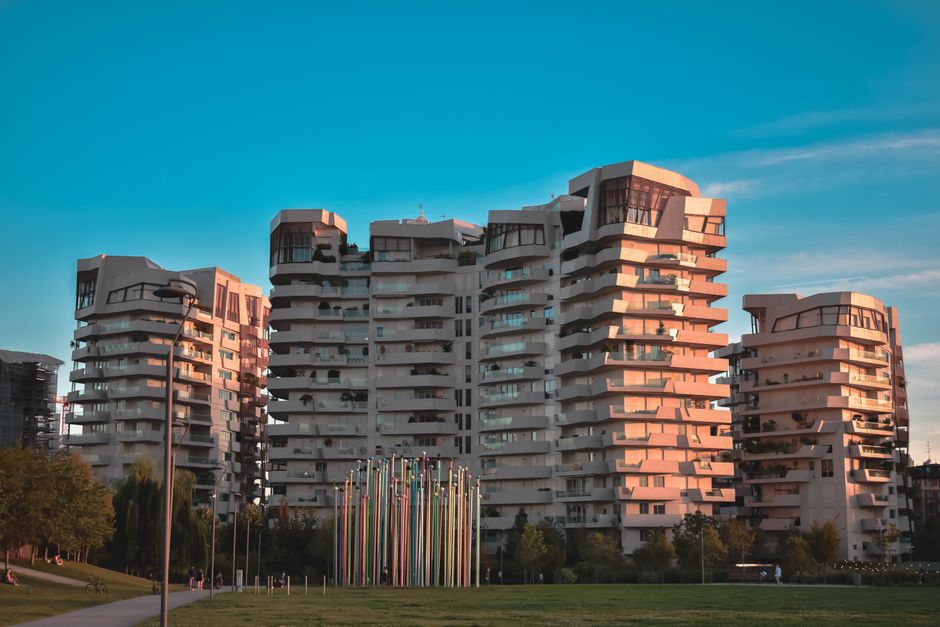
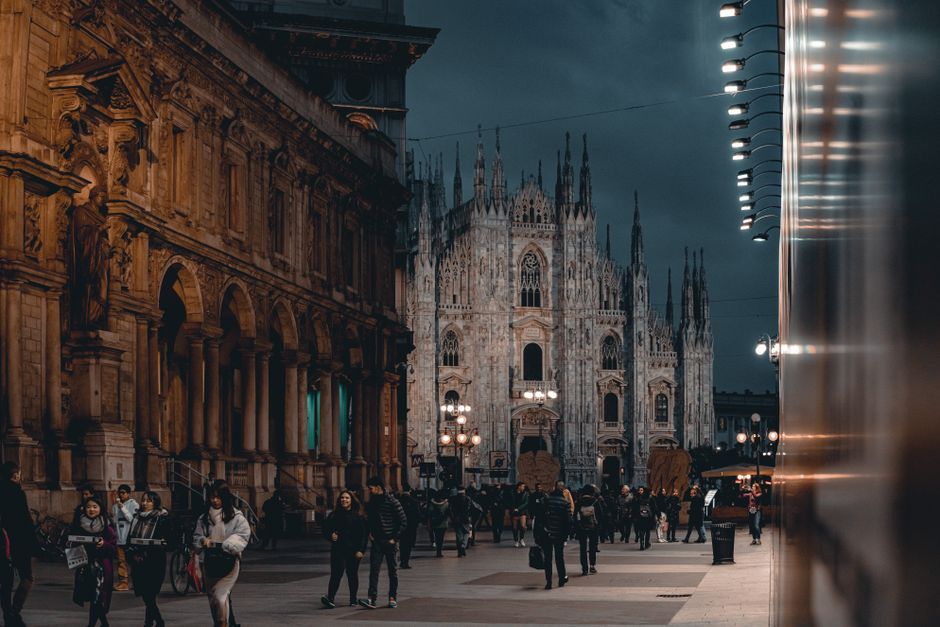
The turning point came around 2016, when the city imposed a freeze on new residential construction in central zones stretching from Brera to Sant'Ambrogio, aimed at preserving neighbourhood character. The intent was sound, but the consequence was predictable: supply contracted while demand from finance workers, creatives, and international relocations remained robust. Average rents in Navigli climbed from €18 per square metre in 2015 to over €32 by 2024. Penthouses overlooking the Navigli Grande now command €4,500 monthly for two-bedroom units.
Simultaneously, the push to regenerate post-industrial zones like Lambrate and Greco-Breda created a secondary market that initially seemed promising. But zoning delays and infrastructure gaps—the tram extension along Viale Monza wasn't completed until 2023—meant these neighbourhoods remained awkwardly positioned between neglect and gentrification. Today, developers sit on half-finished projects while young Milan families rent cramped studios in the outer ring.
The 2020 pandemic accelerated everything. Remote work triggered sudden interest in larger apartments with home-office space, right as construction supply chains fractured. Material costs surged. Labour shortages became endemic. A modest two-bedroom renovation in the Darsena quarter that would have cost €180,000 in 2019 jumped to €280,000 by 2023.
Meanwhile, the regional government's repeated modifications to regional planning law created uncertainty. Developers couldn't confidently commit capital when zoning classifications changed every two years. Investment capital that might have financed new residential stock flowed instead toward speculative purchases of existing properties—a safer bet, but one that further inflated prices.
Perhaps most tellingly, Milan never seriously invested in affordable housing quotas within new developments until 2022, by which time the market had already stratified completely. Projects on Via Torino and around Centrale Station now require 15% social housing, but retrofitting existing neighbourhoods proved politically toxic.
The result is a city internally divided. Established residents in Brera enjoy stable rents locked in years ago. Newcomers and young professionals face impossible mathematics. And developers, facing regulatory fatigue, increasingly look toward Como and Bergamo instead.
Understanding how Milan arrived here matters because the next decade of planning decisions—on zoning reform, density allowances, and infrastructure investment—will determine whether the city becomes more equitable or further fractures along economic lines.
This article was compiled by AI from the sources linked above and screened before publishing. See our editorial standards.
How does this story make you feel?
Spread the word
About this article
Published by The Daily Milan
Daily brief
Free, in your inbox before 7am. Weekdays.
More in News