The numbers tell a stark story about Milan's housing emergency. According to data released this month by the Lombardy Regional Statistics Office, average residential prices in the city have surged to €9,847 per square metre—a 34% increase over five years. In traditionally working-class neighbourhoods like Lambrate and Greco, prices have climbed even faster, at 41% and 38% respectively, effectively pricing out the very communities that built modern Milan.
The supply-side picture is even more troubling. Municipal planning records show that Milan issued only 2,140 new residential building permits in 2025, down from 3,200 in 2019. Meanwhile, the city's population grew by 47,000 residents between 2020 and 2025—creating a structural gap of approximately 9,400 housing units. Rental vacancy rates have collapsed to 1.8%, the lowest on record, according to Milan's Chamber of Commerce analysis.
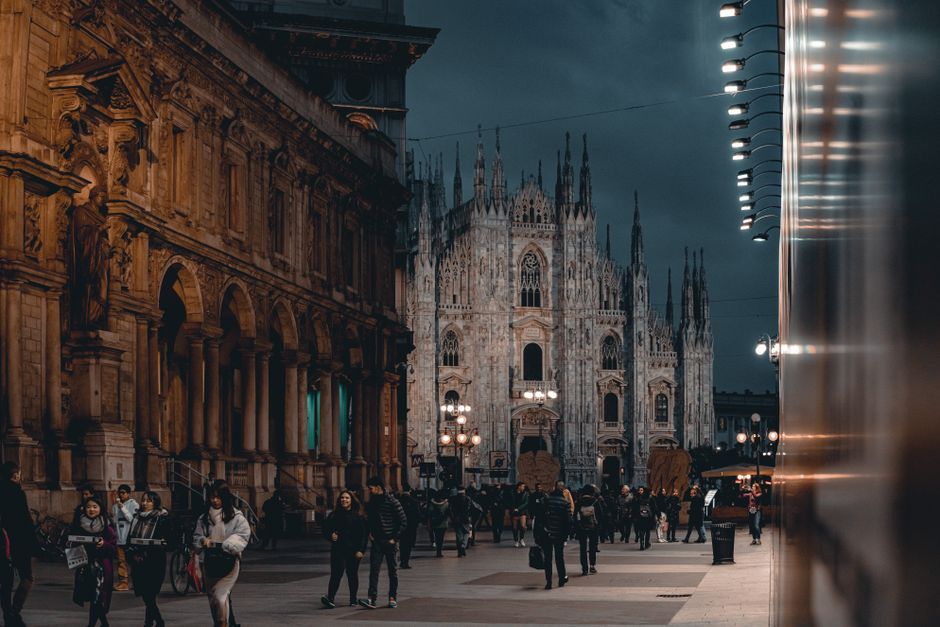
The Navigli district—once affordable and bohemian—now commands €12,200 per square metre, making it comparable to London's Shoreditch. A 75-square-metre apartment there now averages €915,000. Meanwhile, a five-kilometre radius from Duomo Cathedral has seen 73% of available units marketed above €800,000, effectively excluding families earning under €150,000 annually.
City Hall's current zoning regulations are partially culpable. Data from the Planning Department shows that only 12% of Milan's total land area is designated for residential development—compared to 28% in comparable European cities like Berlin and Vienna. Bureaucratic delays have also throttled construction: the average permitting timeline for mid-sized residential projects has stretched to 18 months, up from nine months in 2015.
The social mathematics are unforgiving. Municipal housing authority AMMi's affordable housing stock totals just 8,200 units citywide—accommodating fewer than 0.9% of Milan's 1.4 million inhabitants. The waiting list has ballooned to 22,847 applicants, with average wait times exceeding six years. Young professionals and service sector workers, essential to Milan's economic vitality, increasingly cannot afford to live here.
The question facing Milan's administrators is whether these numbers will finally force systemic change. Neighbouring cities like Monza and Como have already loosened zoning restrictions and expedited permits, capturing development that might otherwise land in Milan. Without comparable reform—and the numbers suggest time is running out—Milan risks pricing itself into obsolescence as a liveable city for working and middle-class residents.
This article was compiled by AI from the sources linked above and screened before publishing. See our editorial standards.