Milan's Housing Crisis Deepens: What City Officials and Urban Planners Are Actually Saying
As rental prices in central neighbourhoods soar past €2,000 monthly, architects and administrators reveal competing visions for the city's future.
As rental prices in central neighbourhoods soar past €2,000 monthly, architects and administrators reveal competing visions for the city's future.
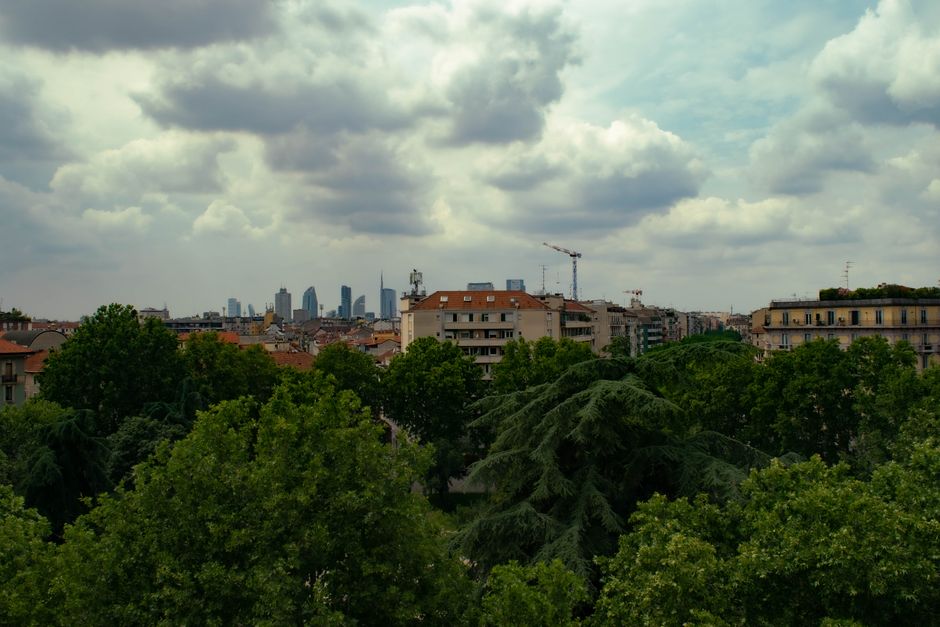
Milan's acute housing shortage has triggered a rare moment of public candour among city officials and planning experts, with stakeholders openly debating whether the Navigli district's gentrification represents progress or displacement, and whether suburban densification offers real solutions.
According to findings presented at a June roundtable hosted by the Chamber of Commerce in Palazzo Clerici, average rental costs in the Brera neighbourhood have climbed 23 per cent in eighteen months, while purchase prices near the Duomo now exceed €12,500 per square metre. The Comune di Milano's housing department has acknowledged that approximately 8,000 families remain on waiting lists for municipal affordable housing, a figure officials describe as unsustainable given current construction rates.
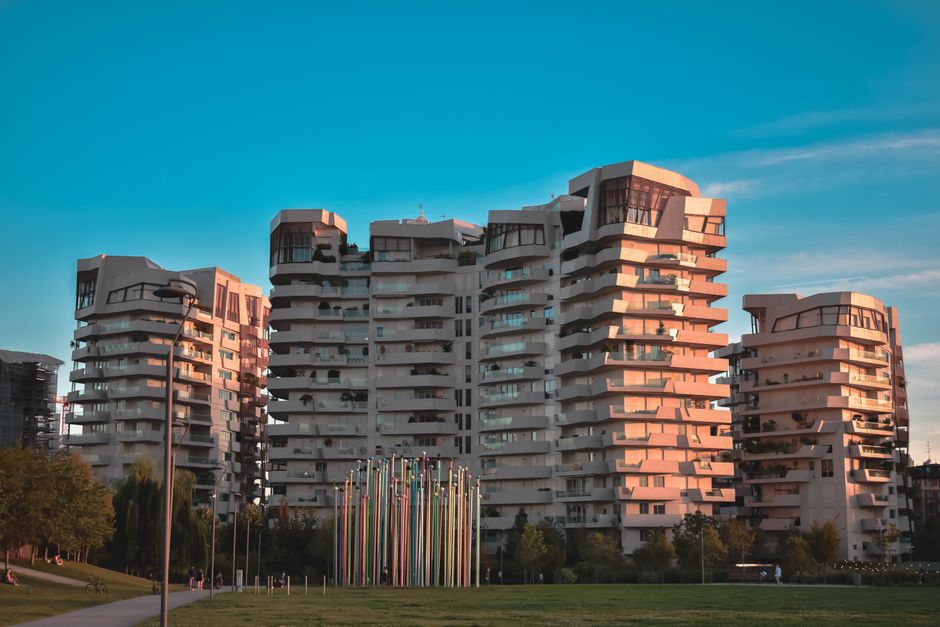
Marco Granelli, the city's deputy mayor overseeing urban planning, told local media last week that Milan must "accelerate brownfield conversion" across zones like the former industrial areas around Porta Romana and in the Lambrate quarter. Yet architectural associations have raised concerns about maintaining neighbourhood character during rapid densification. The Ordine degli Architetti argues that mid-rise residential complexes must incorporate green space and community facilities to avoid creating sterile urban corridors.
The debate extends to the suburban fringe. Urban economist Andrea Colombo, affiliated with the Politecnico di Milano's building engineering faculty, suggests that expanding affordable housing northward toward Monza and Como could ease central pressure while supporting transit-oriented development along the regional rail network. However, municipality representatives counter that such dispersal contradicts climate commitments requiring reduced automobile dependency.
Another flash point involves short-term rental regulation. The Airbnb phenomenon has transformed entire blocks in Porta Ticinese and around Piazza della Repubblica into quasi-hotel districts. City councillors from multiple parties have called for stricter licensing caps, warning that conversion of long-term housing stock into tourist accommodation shrinks available dwellings for permanent residents.
Property development firms argue for fewer planning restrictions and faster approval processes, contending that bureaucratic delays inflate construction costs and ultimately make units less affordable. Yet residents' associations in established neighbourhoods like Magenta and Sant'Ambrogio fiercely defend heritage protections and view accelerated development as threatening Milan's architectural identity.
As the city council prepares to draft next year's planning agenda, consensus remains elusive. Officials acknowledge housing demand will intensify, driven by Milan's status as a financial and fashion capital attracting younger professionals. The challenge now appears not whether to build, but how to balance growth against livability, affordability, and the character that makes Milan itself.
This article was compiled by AI from the sources linked above and screened before publishing. See our editorial standards.
How does this story make you feel?
Spread the word
About this article
Published by The Daily Milan
Daily brief
Free, in your inbox before 7am. Weekdays.
More in News