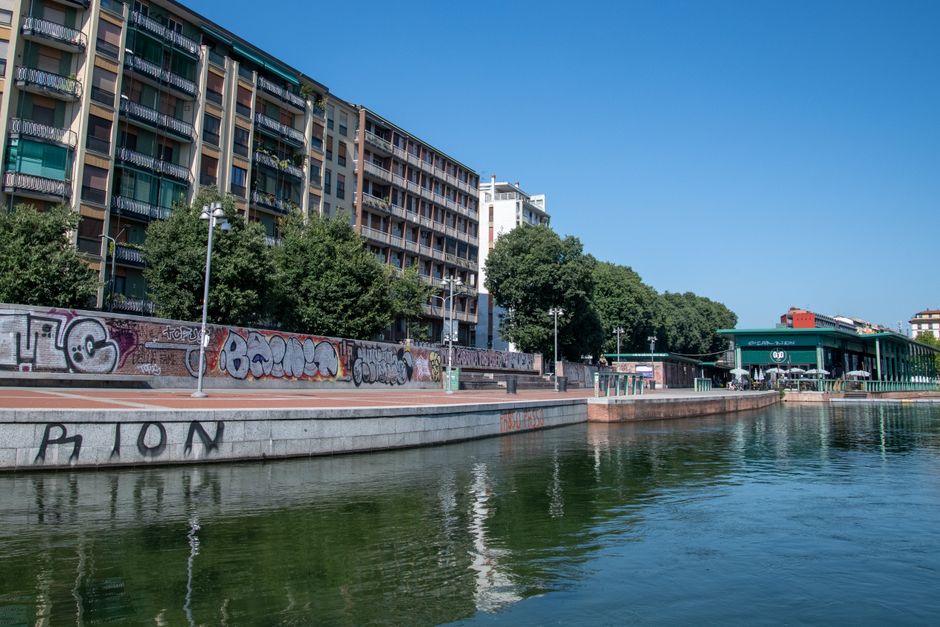
The Navigli district sits at a crossroads. Once Milan's bohemian quarter—defined by independent cafés, artist studios, and working-class families—the neighbourhood bounded by Via Naviglio Grande and Via Ghibellina now confronts a crucial inflection point that will determine its character for the next decade.
Average rents in the Navigli have climbed 34 percent since 2020, according to property analysts at Immobiliare.it, pricing out younger residents and forcing established merchants to reconsider their futures. Last month alone, three family-run businesses announced closures: a 40-year-old bookshop on Via Casale, a traditional trattoria near Ponte di Ferro, and a fabric workshop that had operated since the 1980s.
"We're not opposed to development," says Carla Rossini, coordinator of Navigli Residents' Committee, a grassroots organisation formed eighteen months ago. "But we need decisions now about what protection mechanisms exist for local businesses and affordable housing."
The Milan city council faces three major decisions in the coming months. First: whether to expand rent-control protections for ground-floor commercial spaces, a proposal currently under review by the Economic Development Commission. Second: whether to green-light a €47 million cultural regeneration project that would convert three adjacent warehouse buildings into exhibition and performance venues—a move that could further accelerate gentrification. Third: how aggressively to enforce existing heritage protections that nominally shield the district's architectural character.
Community organisations have already mobilised. Beyond Navigli Residents' Committee, the Chamber of Commerce is consulting with small business owners about relocation support programmes, while a coalition of cultural associations submitted a detailed proposal to the municipality outlining zoning restrictions and tenant-protection measures.
The stakes extend beyond economics. The Navigli's transformation would reshape Milan's identity at a moment when the city positions itself as a global cultural capital. How local institutions manage this transition—whether through defensive protectionism, market-driven adaptation, or negotiated compromise—will signal whether Milan intends to remain genuinely diverse or increasingly exclusive.
Public consultations begin in September. Local residents have until July 31 to submit formal comments to the Planning Department. The decisions made over the next six months will likely prove irreversible.
This article was compiled by AI from the sources linked above and screened before publishing. See our editorial standards.