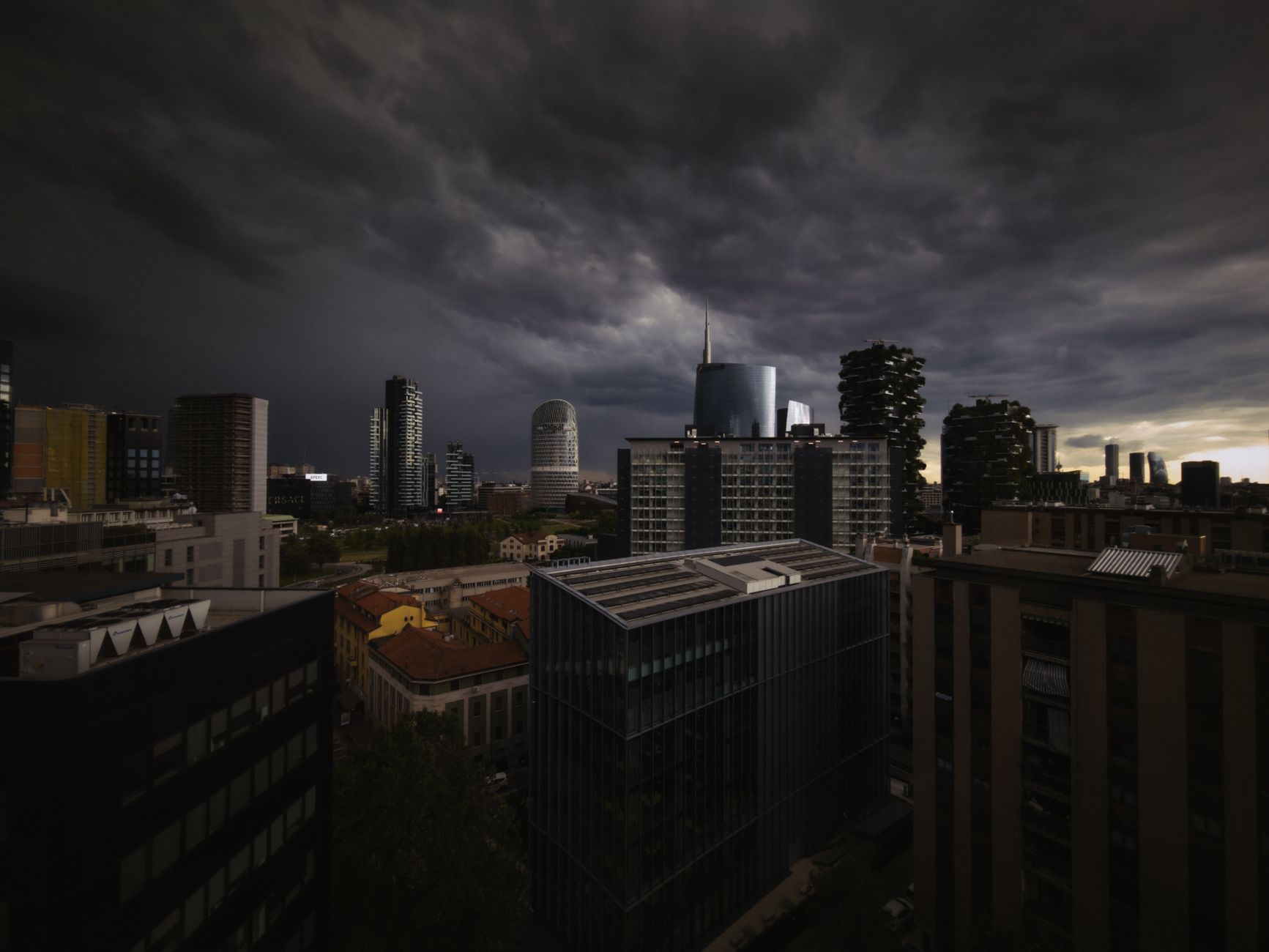
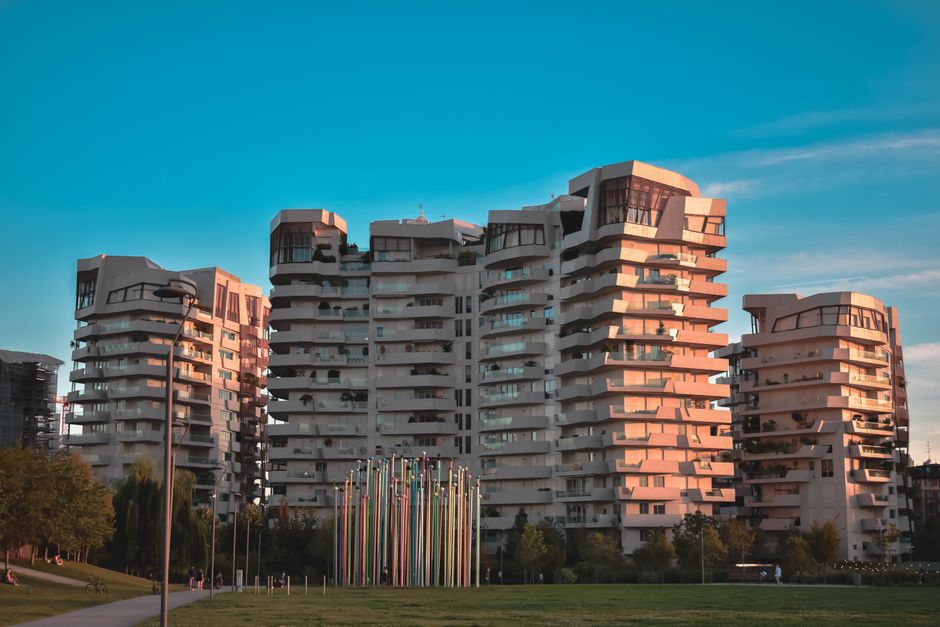
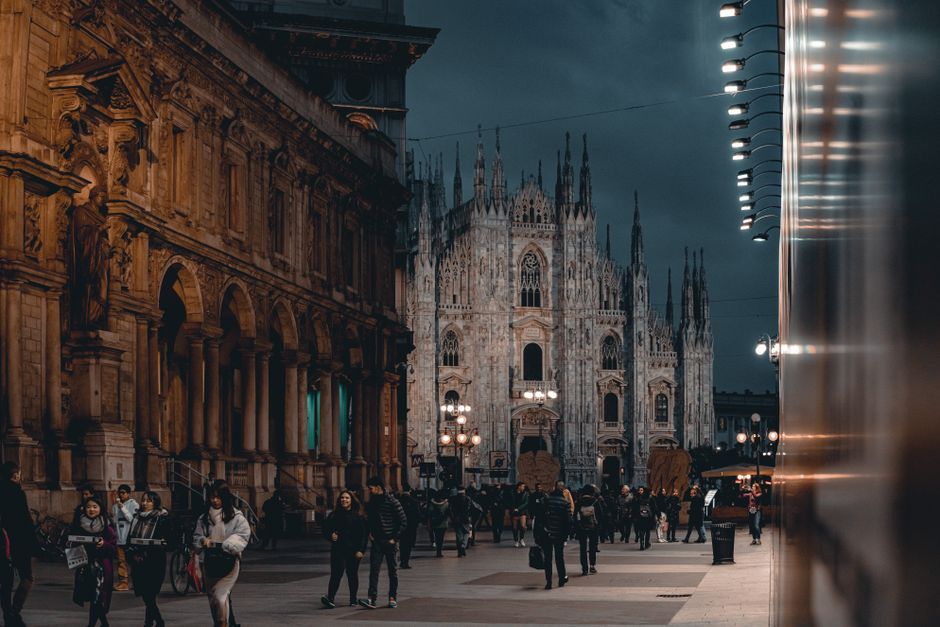
Walking along the Navigli canals on a Tuesday morning, the transformation is unmistakable. Where delivery vans once clogged the cobblestone streets, cargo bikes now glide past renovated storefronts. Yet not everyone in Milan's historic waterfront district is celebrating the city's drive toward carbon neutrality by 2035.
The conversation about sustainability in Milan has shifted dramatically. No longer confined to environmental conferences at the Palazzo Reale, it now plays out in neighbourhood bars and apartment buildings across the city, where residents grapple with the real costs of going green.
"The bike lanes are wonderful, truly," says one Navigli shopkeeper, reflecting a sentiment heard repeatedly across the district. "But when your foot traffic drops because parking disappeared, the poetry of it all rings hollow." Recent data from the Milan Chamber of Commerce indicates small retail sales in restricted traffic zones fell by 8 percent in the first quarter of 2026, though city planners argue long-term benefits will outweigh short-term disruption.
The tension intensifies in outer neighbourhoods like Quarto Oggiaro and Bovisasca, where fewer resources have been invested in the transition. Residents here report limited access to Milan's expanding metro extensions and few incentives for switching to electric vehicles—a stark contrast to the glossy sustainability messaging emanating from the Duomo district.
"We're told to be green, but the green infrastructure bypasses us," explained a community organiser at the Centro Civico Barona. "It's the wealthier areas getting the bike lanes and solar panels. We get the rhetoric."
Yet the picture isn't uniformly grim. The Orti Verticali movement—vertical gardens sprouting across residential buildings in Sant'Ambrogio and Porta Romana—has generated genuine grassroots enthusiasm. Over 340 buildings now participate, with residents reporting stronger community bonds alongside reduced air temperatures. Energy costs have reportedly dropped by 12 percent in participating buildings.
Milan's municipal government has committed €1.2 billion to sustainability initiatives through 2030, with promises to expand equitable access. Still, implementation remains patchy. The widening gap between Milan's ambitious climate rhetoric and uneven community benefit suggests that genuine sustainability requires more than policy documents.
As the city races toward its carbon targets, voices from the neighbourhoods where change actually happens suggest one crucial truth: sustainable cities aren't built in meeting rooms or announced at press conferences. They're negotiated, street by street, with the people who actually live here.
This article was compiled by AI from the sources linked above and screened before publishing. See our editorial standards.